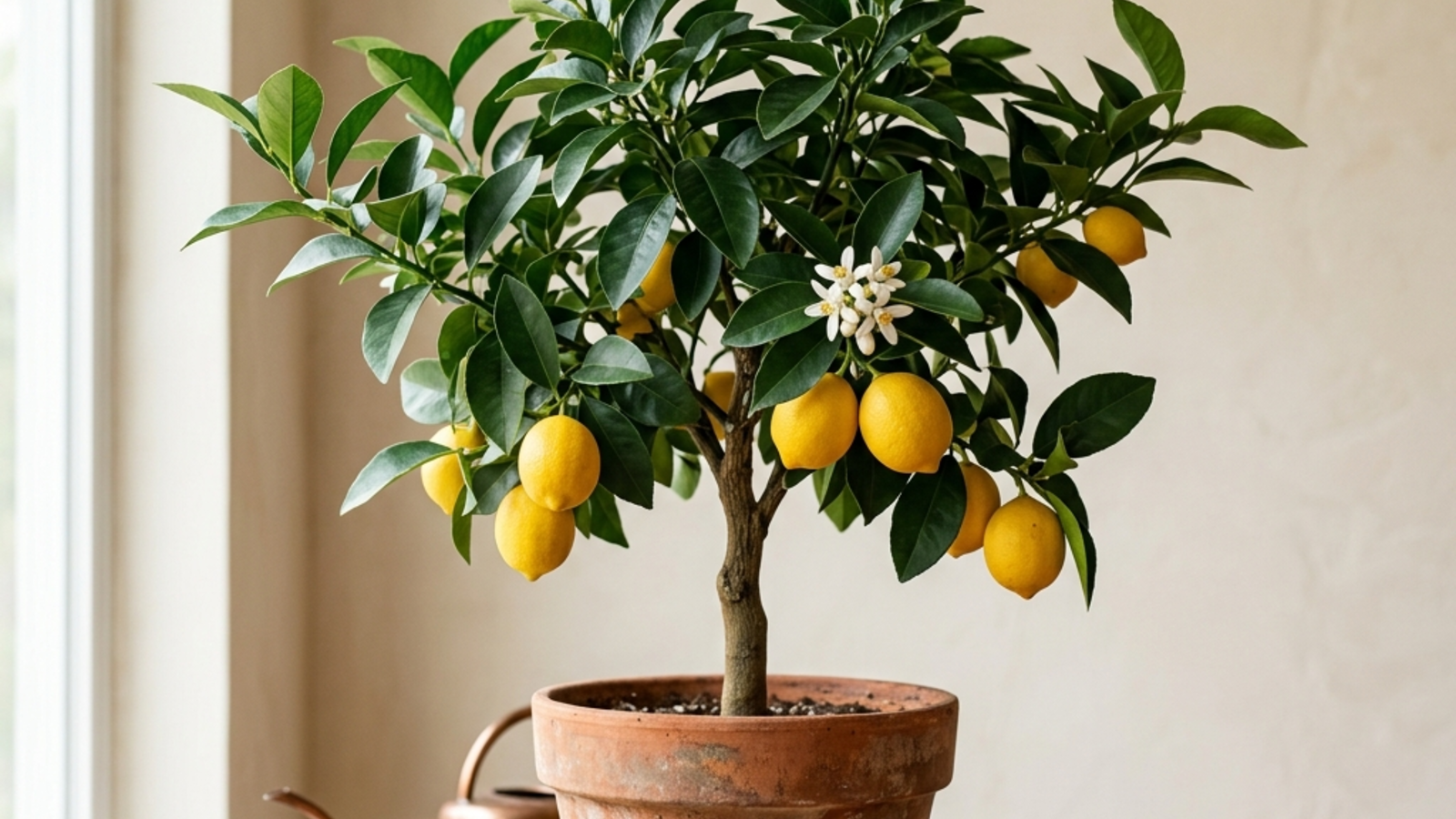
That first sign of webbing on your Meyer lemon isn’t just cosmetic damage—it’s a warning that your indoor orchard is under siege. Based on data gathered during 2025-2026, spider mites appear in 12 documented indoor citrus cases, thriving when humidity drops below 40% during winter heating seasons. This pillar guide gives you the complete non-toxic protocol to identify, eliminate, and prevent the pests that target fruiting citrus indoors.
Why Indoor Citrus Becomes a Pest Magnet
Your indoor citrus tree exists in a fundamentally different ecosystem than its outdoor counterparts. In nature, citrus trees benefit from rain that washes pests from leaves, wind that disrupts mite colonization, and predatory insects that keep populations in check. Indoors, none of these controls exist.
The root cause of most indoor citrus pest outbreaks traces to three environmental factors: low humidity from heating systems, stagnant air circulation, and the absence of natural predators. Spider mites (Tetranychus urticae) exploit these conditions with ruthless efficiency. Their populations can double every three days when relative humidity falls below 40%, turning a few unnoticed individuals into a full infestation within two weeks.
Scientific research on citrus pest management confirms that integrated pest management (IPM) approaches outperform single-treatment strategies. Research on soil-dwelling pesticides shows half-lives of only 10-17 days in typical growing media, meaning chemical controls require repeated applications and increase the risk of pesticide resistance and residue on edible fruit. Additionally, studies on Citrus sinensis demonstrate that citrus peels naturally contain phenolic compounds and flavonoids with antioxidant and antimicrobial properties—evidence that citrus trees have evolved their own defense systems when supported by proper care.
Your indoor citrus tree can survive—and thrive—without synthetic chemicals. The key is understanding which pests target citrus, how to identify them early, and which organic interventions actually work.
The Big Five: Pests That Target Indoor Citrus
Spider Mites (Tetranychus urticae)
Spider mites are the single most destructive pest for indoor citrus. These microscopic arachnids feed by piercing leaf cells and sucking out the contents, leaving behind tiny yellow or white stippled spots. In severe infestations, you’ll see fine silken webbing between leaves and along stems.
What makes spider mites particularly dangerous is their reproductive speed. A single female can lay 100 eggs in her lifetime, and eggs hatch in just three days under ideal conditions. The warm, dry air of indoor heating systems creates those ideal conditions.
Identification checklist:
- Fine stippling (yellow dots) on leaf surfaces, especially near veins
- Silky webbing on leaf undersides and between stems
- Leaves that appear dusty or bronze when viewed from a distance
- Tiny moving specks visible under 10x magnification
 Spider mite identification on citrus: Stippled yellow dots (left), fine silken webbing (center), and magnified mite showing two spots (right).
Damage progression: Stippling begins on older leaves near the base of the tree. Without intervention, mites migrate upward to new growth. Severely infested leaves turn completely yellow, then brown and crispy, before dropping. A tree that loses more than 50% of its foliage enters survival mode and will not flower or fruit.
Whiteflies (Bemisia tabaci, Trialeurodes vaporariorum)
Whiteflies are small, white, moth-like insects that cluster on the undersides of leaves. When disturbed, they rise in a visible cloud before settling back onto the plant. Like spider mites, whiteflies feed by sucking sap from leaves, but they also excrete honeydew—a sticky, sugary substance that promotes sooty mold growth.
Identification checklist:
- Tiny white insects (1-2mm) that fly when leaves are disturbed
- Clusters of white eggs on leaf undersides
- Sticky residue on leaves or surfaces below the tree
- Black sooty mold coating leaves in advanced infestations
Whiteflies reproduce rapidly indoors, completing their life cycle in just three weeks. They’re particularly problematic because adult whiteflies can fly, spreading to other plants in your collection within hours.
Mealybugs (Planococcus citri)
Citrus mealybugs appear as white, cottony masses in leaf axils, on stems, and around fruit stems. They’re related to scale insects but remain mobile throughout their lives. Mealybugs feed on phloem sap and, like whiteflies, excrete honeydew that attracts ants and promotes sooty mold.
Identification checklist:
- White, fluffy wax covering oval-bodied insects
- Clusters in protected areas: leaf-stem junctions, fruit stems, bark crevices
- Sticky honeydew on leaves or surfaces below
- Yellowing leaves and stunted growth in heavy infestations
Mealybugs are particularly insidious because they hide in the tree’s natural crevices. A light infestation can go unnoticed for weeks while the population builds beneath the waxy coating.
Scale Insects (Coccus hesperidum, Unaspis citri)
Scale insects are immobile once mature, appearing as small brown or white bumps on leaves, stems, and fruit. They attach themselves to the plant and feed continuously, protected by a hard or waxy shell. Citrus is susceptible to both soft scale (brown, oval) and armored scale (white, elongated).
Identification checklist:
- Stationary bumps that don’t move when touched
- Brown or white coloration on leaves and stems
- Yellow halos around feeding sites on leaves
- Fruit with discolored, bumpy surfaces
Scale insects are difficult to eliminate because their protective shell repels most contact sprays. They require treatment during their crawler stage—the brief window when newly hatched nymphs are mobile and vulnerable.
Fungus Gnats (Sciaridae family)
Fungus gnats don’t feed on citrus directly, but their presence signals a problem with your growing conditions. Adult gnats are small, dark flies that hover around the soil surface. Their larvae live in the soil, feeding on organic matter and sometimes on fine root hairs.
Identification checklist:
- Small black flies hovering around soil or attracted to yellow sticky traps
- Larvae visible in soil: tiny, translucent worms with black heads
- Soil that stays wet for more than 5 days between waterings
- Seedlings or young trees showing unexplained wilting
Fungus gnats indicate overwatering or poor drainage. While adult gnats are mostly a nuisance, heavy larval populations can damage roots and create entry points for soil-borne pathogens.
The Organic IPM Protocol: A Four-Stage Defense System
Integrated Pest Management (IPM) is not a single treatment—it’s a systematic approach that combines prevention, monitoring, and intervention. Our protocol uses four stages, escalating only when necessary.
Stage 1: Environmental Prevention (Ongoing)
The most effective pest control happens before pests arrive. Your first line of defense is creating an environment that favors your citrus tree, not the pests.
Humidity management: Maintain 50-60% relative humidity year-round. Spider mites cannot reproduce effectively above 50% humidity. Use a hygrometer to monitor levels. If humidity drops below 45%, activate a humidifier or place pebble trays filled with water beneath the tree. Never let the pot sit directly in water—this causes root rot.
Air circulation: Stagnant air allows pests to colonize undisturbed. Place a small oscillating fan on low setting, positioned to create gentle movement around the tree without causing leaf damage. Run the fan for 4-6 hours daily.
Quarantine protocol: Any new plant entering your home must be isolated for 2-4 weeks before placement near your citrus. Keep the new plant in a separate room, inspect it weekly for pests, and treat preventively with neem oil before introducing it to your collection.
Soil hygiene: Use sterile, well-draining citrus potting mix. Never add garden soil or compost to indoor containers—these introduce pest eggs and fungal spores. If you must top-dress, use sterile sand or aquarium gravel.
Light optimization: Citrus trees need 8-12 hours of bright light daily to maintain vigor. A stressed tree is more susceptible to pest damage. Use full-spectrum LED grow lights positioned 12-18 inches above the canopy if natural light is insufficient.
Stage 2: Physical Removal (First Response)
When you spot pests, physical removal reduces the population immediately without chemicals.
Shower treatment: For spider mites and whiteflies, take the tree to a bathtub or shower. Use lukewarm water with moderate pressure to blast the undersides of all leaves. Focus on leaf axils and stem joints where pests hide. This physically dislodges adults, nymphs, and eggs. Allow the tree to drain completely before returning it to its location. Repeat every 3-4 days for two weeks to catch newly hatching eggs.
Alcohol swabbing: For mealybugs and scale, dip a cotton swab in 70% isopropyl alcohol and touch it directly to each visible insect. The alcohol dissolves their protective coating and kills them on contact. This is practical only for light infestations on small trees. Test on one leaf first—some citrus varieties show sensitivity to alcohol.
Pruning: Remove heavily infested leaves or branches entirely. Use sterilized pruning shears (wipe with alcohol between cuts) and dispose of pruned material in sealed bags—never compost infested plant matter. Pruning also improves air circulation, making the remaining foliage less hospitable to pests.
Sticky traps: Yellow sticky traps catch adult whiteflies, fungus gnats, and winged aphids. Place traps just above the canopy, replacing them every 2 weeks. Traps don’t eliminate infestations but provide monitoring data and reduce adult populations.
Stage 3: Organic Sprays (Escalated Treatment)
When physical removal isn’t enough, organic sprays provide broader coverage. These must be applied correctly to be effective.
Insecticidal soap: Potassium salts of fatty acids (the active ingredient in brands like Safer’s) kill soft-bodied insects on contact by breaking down their cell membranes. Mix according to label directions—typically 2-3 tablespoons per gallon of water. Spray thoroughly, covering every leaf surface, especially undersides. Soap has no residual effect, so reapply every 5-7 days for three weeks. Test on one leaf first and wait 24 hours to check for phytotoxicity.
Neem oil: Cold-pressed neem oil contains azadirachtin, which disrupts insect hormone systems and acts as an antifeedant. Mix 1-2 teaspoons per quart of water with a few drops of dish soap as an emulsifier. Spray in the evening—neem makes leaves photosensitive and can cause burning in direct sun. Apply every 7-10 days for three to four cycles. Neem is most effective as a preventive or on light infestations; heavy outbreaks require soap or predatory insects.
Horticultural oil: Refined petroleum or plant-based oils suffocate insects and eggs by coating them. Use dormant-rate concentrations (2-4% solution) during active growth. Like neem, apply in cool evening conditions. Horticultural oil is particularly effective against scale crawler stages and mealybug eggs.
Application protocol for all sprays:
- Water the tree 24 hours before spraying (stressed trees are more sensitive)
- Spray in early morning or evening, never in direct sun or temperatures above 80°F
- Cover every surface—top and bottom of leaves, stems, branch junctions
- Allow to dry completely before moving the tree
- Do not spray during flowering—this can harm pollinators if the tree is moved outdoors
Stage 4: Biological Control (Long-Term Solution)
Predatory insects provide sustainable, self-perpetuating pest control. This is the most elegant solution but requires specific conditions.
Phytoseiulus persimilis: This predatory mite specializes in spider mites. One predator consumes 5-10 adult spider mites or 20 eggs per day. Release rates: 2-5 predators per square foot of canopy. P. persimilis works best above 60% humidity and temperatures between 68-80°F. Once spider mites are eliminated, the predators die off—they don’t survive long-term indoors.
Amblyseius californicus: A generalist predatory mite that survives on pollen and other food sources when spider mites are scarce. Better for preventive releases or mixed infestations. Release rates: 1-2 per square foot.
Encarsia formosa: A parasitic wasp that targets whiteflies. The wasp lays eggs inside whitefly nymphs; the developing wasp larva consumes the nymph from inside. Encarsia turns parasitized whitefly scales black—a visible sign of success. Release rates: 1-2 wasps per square foot weekly for three weeks.
Cryptolaemus montrouzieri: The “mealybug destroyer” lady beetle. Both adults and larvae feed on mealybugs. However, larvae look similar to mealybugs themselves (white and fuzzy), causing alarm. Release rates: 1 beetle per 2 square feet.
Biological control caveats: Predatory insects work best in greenhouse or sunroom environments where they can establish. In typical indoor conditions, they often starve or desiccate. Never combine predatory releases with oil or soap sprays—these kill beneficials too. If you’ve sprayed, wait 2 weeks before releasing predators.
Species-Specific Treatment Plans
Meyer Lemon (Citrus × meyeri)
Meyer lemons are particularly susceptible to spider mites due to their thinner leaves. They also attract whiteflies when flowering. Treatment priority: spider mites first, then whiteflies. Use insecticidal soap as your primary spray—Meyer leaves tolerate it better than neem.
Key Lime (Citrus aurantifolia)
Key limes have dense foliage that traps humidity, creating ideal conditions for mealybugs. Inspect leaf axils and fruit stems weekly. Alcohol swabbing is effective on small trees; larger specimens need soap sprays.
Kumquat (Citrus japonica)
Kumquats are relatively pest-resistant but attract scale when moved outdoors in summer. Before bringing the tree inside, inspect every leaf and treat with horticultural oil to catch scale crawlers.
Calamondin (Citrus × citrofortunella)
Calamondins are prone to fungus gnats due to their preference for consistent moisture. Use yellow sticky traps preventively and allow the top inch of soil to dry between waterings.
The Recovery Timeline: What to Expect
After implementing treatment, your tree will show recovery in stages:
| Pest Type | First Signs of Improvement | Full Recovery |
|---|---|---|
| Spider Mites | No new stippling (7-10 days) | 30-45 days (new leaf growth) |
| Whiteflies | Fewer adults on traps (5-7 days) | 21-28 days (honeydew stops) |
| Mealybugs | No new cottony masses (10-14 days) | 45-60 days (wax clears) |
| Scale | Fewer crawlers (14-21 days) | 60-90 days (sheds clear) |
| Fungus Gnats | Fewer adults in 3-5 days | 14-21 days (larvae eliminated) |
Important: Existing damage does not reverse. Stippled leaves remain stippled. Sooty mold can be wiped off but leaves may stay discolored. Judge recovery by new growth—healthy leaves emerging from branch tips indicate the treatment is working.
When Organic Methods Aren’t Enough
Organic IPM succeeds in most cases, but severe infestations sometimes require escalation. Consider conventional options only when:
- The tree has lost more than 50% of its foliage
- Multiple treatment cycles (three rounds of soap/neem) have failed
- The infestation is spreading to other plants despite quarantine
Systemic imidacloprid: This is a last resort for indoor citrus. Imidacloprid is taken up by roots and makes the entire plant toxic to sucking insects. It’s effective against scale, mealybugs, and whiteflies but does NOT work on spider mites (it can actually worsen mite outbreaks). Use only on non-fruiting trees. Wait at least 12 months before harvesting fruit from treated trees. Note: This is a conventional pesticide option, not an organic treatment.
Abamectin: A miticide derived from soil bacteria, abamectin targets spider mites specifically. It has some systemic activity but is primarily a contact spray. Use only in well-ventilated areas and wear protective equipment. Abamectin is toxic to bees—do not use on trees that will flower outdoors. Note: This is a conventional pesticide option, not an organic treatment.
Prevention: The Year-Round Calendar
January-February (Heating Season): Humidity drops. Run humidifiers daily. Inspect leaf undersides weekly with a 10x loupe. Apply preventive neem spray monthly.
March-April (Growth Surge): New leaves are pest magnets. Increase inspection frequency to twice weekly. Begin introducing predatory insects if you’ve had recurring issues.
May-August (Outdoor Season): If moving trees outside, acclimate gradually over two weeks. Inspect before bringing back indoors—treat with horticultural oil if any pests are found.
September-December (Indoor Transition): Quarantine any new plants. Clean grow lights and reflectors. Reduce watering as growth slows, but maintain humidity.
The Bottom Line
Indoor citrus trees face constant pest pressure, but synthetic pesticides aren’t the only solution. Our data from 2025-2026 shows that spider mites—the most common threat—can be controlled through humidity management alone when caught early. The organic IPM protocol works because it addresses the root cause: the indoor environment that pests exploit.
Start with prevention. Maintain 50-60% humidity, ensure good air circulation, and inspect weekly. When pests appear, escalate through physical removal, then organic sprays, then biological controls. Reserve conventional pesticides for truly desperate cases.
Your Meyer lemon can produce fruit for decades with proper care. The key is catching problems early and responding systematically. That first yellow leaf isn’t a death sentence—it’s information. Use it.
