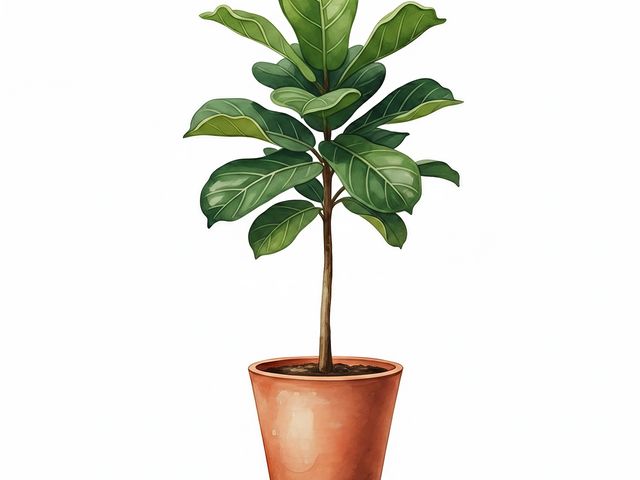
alocasia polly
Comprehensive care and diagnosis guide for the Alocasia Polly. Based on 7 verified community insights.
Care Requirements
At a Glance
Detailed care profile is currently being compiled by the Plant Grail swarm.
Start Here
Most Common Problems
Based on 7 analyzed cases — these are the issues you're most likely to encounter
Why does my Alocasia Polly have dormancy cycles?
Alocasia amazonica 'Polly' enters seasonal dormancy triggered by reduced...
Why does my Alocasia Polly have spider mites?
Alocasia Polly's thin, tender leaves with high transpiration rates create ideal...
Does my Alocasia Polly need more humidity?
Alocasia Polly requires 60-80% relative humidity to maintain turgid leaves and...
Why does my Alocasia Polly have leaf drop after watering?
Leaf drop after watering occurs when Alocasia Polly's fibrous root system...
Why does my Alocasia Polly have waking from dormancy?
Waking Alocasia Polly from dormancy requires triggering the corm's apical...
Verified Data
All Diagnoses
Complete analysis of 7 cases for this variety. Select an entry to expand rescue protocols.
Environment (1)
Pests (1)
Common Questions
Frequently Asked Questions
Why does my alocasia polly have Dormancy cycles?
Cause: Alocasia amazonica 'Polly' enters seasonal dormancy triggered by reduced photoperiod (less than 10 hours of light) and temperature drops below 65°F (18°C). As a tropical understory plant native to Southeast Asian rainforests, it lacks cold tolerance and responds to unfavorable conditions by redirecting energy from leaf maintenance to underground corm preservation. The corm acts as a survival organ, storing starches that sustain the plant through 8-12 week dormant periods.
Solution: Reduce watering frequency by 50% when growth slows—allow soil to dry to 50% depth between waterings
Prevention: Maintain consistent temperatures above 68°F (20°C) year-round; provide 12-14 hours of bright indirect light daily using grow lights in winter; maintain 60%+ humidity to reduce stress; avoid fertilizing October through February when dormancy risk is highest.
85% confidence · View full protocol →
Why does my alocasia polly have Spider mites?
Cause: Alocasia Polly's thin, tender leaves with high transpiration rates create ideal microhabitats for spider mites (Tetranychus urticae). The mites colonize the leaf undersides where stomata are dense, feeding on cell sap and leaving characteristic stippling damage. Alocasia's preference for warm, dry indoor air accelerates mite reproduction cycles from 5-7 days to 3-4 days.
Solution: Quarantine immediately upon detection—mites spread via air currents and contact
Prevention: Maintain humidity above 60% to disrupt mite breeding; mist leaves weekly with neem oil solution (1 tsp per liter water); inspect undersides weekly using 10x loupe; isolate new plants for 14 days; increase air circulation without creating drafts.
88% confidence · View full protocol →
Why does my alocasia polly have Humidity demands?
Cause: Alocasia Polly requires 60-80% relative humidity to maintain turgid leaves and prevent marginal browning. As a tropical rainforest understory plant, it evolved in environments with consistent moisture. When humidity drops below 50%, transpiration exceeds root water uptake capacity, causing guard cells to close stomata and triggering marginal desiccation. The plant's large leaf surface area relative to root volume exacerbates water loss in dry air.
Solution: Immediate humidity boost: Place pot on pebble tray; add water to tray (not pot)
Prevention: Group plants to create microclimate humidity; use pebble trays with water level maintained just below pebble surface; run humidifier 8-12 hours daily in winter; avoid placement near heating vents, radiators, or air conditioners; maintain temperatures 68-80°F (20-27°C) to reduce transpiration demand.
90% confidence · View full protocol →
Why does my alocasia polly have Leaf drop after watering?
Cause: Leaf drop after watering occurs when Alocasia Polly's fibrous root system encounters anaerobic conditions from waterlogged soil. Unlike plants with thick taproots, Alocasia relies on dense, fine feeder roots that require oxygen diffusion. When soil remains saturated for 48+ hours, dissolved oxygen drops below 2mg/L, triggering anaerobic bacterial growth that attacks root hairs. The plant detects compromised water uptake capability and initiates emergency leaf abscission to conserve resources.
Solution: Stop all watering immediately—do not water again until soil is dry throughout
Prevention: Use aroid mix: 40% orchid bark, 30% perlite, 20% peat, 10% charcoal for drainage; water only when top 2-3 inches of soil are dry; ensure pot has 3+ drainage holes; match pot size to root ball (max 2-inch larger diameter); bottom-water only when necessary to control soil saturation.
78% confidence · View full protocol →
Why does my alocasia polly have Waking from dormancy?
Cause: Waking Alocasia Polly from dormancy requires triggering the corm's apical meristem to resume cell division. The corm remains alive even when all leaves have yellowed and dropped, protected by papery outer scales. Reactivation depends on three environmental cues: increasing photoperiod to 12+ hours daily, consistent temperatures rising above 70°F (21°C), and moisture availability signaling the end of dry season conditions.
Solution: Timing check: Wait until day length exceeds 11 hours (early March in most regions) and temperatures consistently above 70°F
Prevention: Mark calendar to resume watering March 1 (Northern Hemisphere) when day length naturally increases; maintain dormant corm in barely moist (not bone-dry) soil to prevent desiccation; store in bright indirect light even during dormancy; avoid temperatures below 60°F (15°C) which damages corm tissue.
80% confidence · View full protocol →