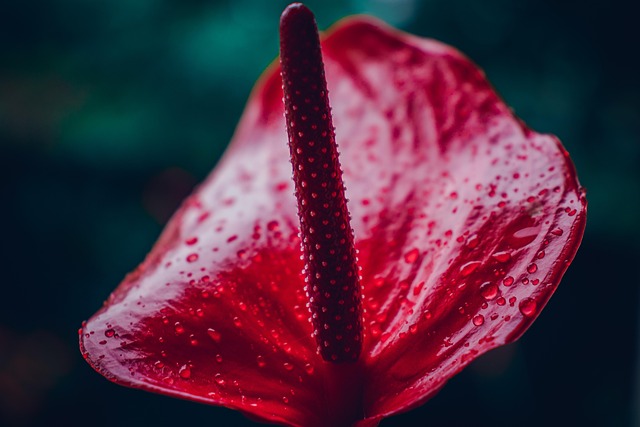
anthurium clarinervium
Anthurium clarinervium
Comprehensive care and diagnosis guide for the Anthurium Clarinervium. Based on 1 verified community insights.
Care Requirements
At a Glance
Detailed care profile is currently being compiled by the Plant Grail swarm.
Start Here
Most Common Problems
Based on 1 analyzed cases — these are the issues you're most likely to encounter
Verified Data
All Diagnoses
Complete analysis of 1 cases for this variety. Select an entry to expand rescue protocols.
Common Questions
Frequently Asked Questions
Why does my anthurium clarinervium have Root rot?
Cause: Anthurium clarinervium possesses thick, bullate (quilted) leaves with prominent white venation that function as moisture reservoirs in their native Mexican limestone karst habitats. When soil remains saturated beyond 5-7 days or when potted in dense moisture-retentive substrates, the epiphytic root system experiences anaerobic conditions. This triggers bacterial soft rot (Erwinia/Pythium) starting at root tips and progressing into the rhizome, manifesting as translucent, deflated roots and subsequent brown necrotic spots on leaves as vascular transport fails.
Solution: Immediate unpotting: Gently remove plant and rinse ALL old soil from roots using lukewarm water
Prevention: Use epiphyte-specific well-draining mix (50% orchid bark, 30% perlite, 20% peat/charcoal). Water only when top 2-3cm of substrate is dry. Maintain 60-80% humidity with strong airflow to mimic native habitat. Choose terracotta or breathable pots over plastic.
92% confidence · View full protocol →