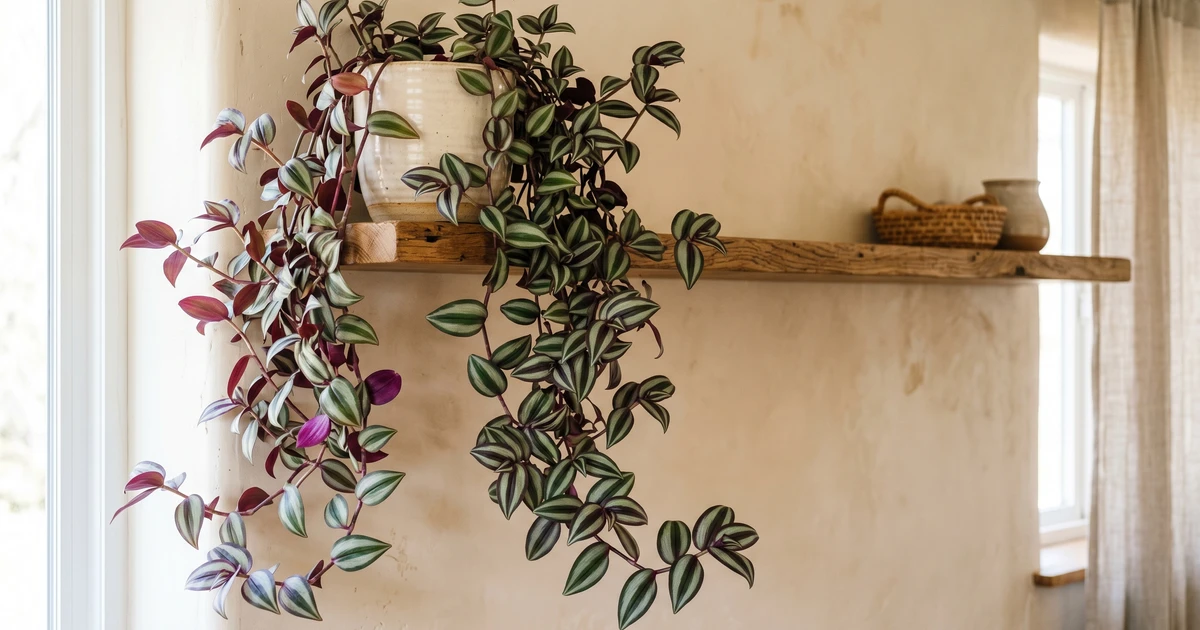
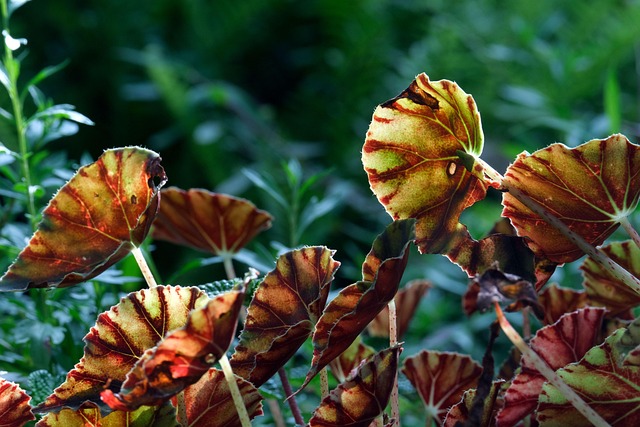
begonia
Begonia spp.
Evidence-based care guide for Begonia (Begonia spp.). Covers disease treatment, symptom diagnosis, lighting and care. Our analysis draws from 34 verified community cases with an average confidence score of 86%. Each protocol is synthesized from real rescue outcomes, not generic advice.
Care Essentials
Get to Know Your Begonia
Watch the humidity — a little extra moisture in the air goes a long way with this plant.
Light
bright indirect
Wants bright, indirect light — sensitive to both extremes. Too much direct sun causes burns, too little causes stretching.
💡 Grow lights: Thrives under artificial grow lights (LED or fluorescent, 10-12 hours/day). A great option if your space lacks natural light.
Watering
every 10-14 days
Let the soil dry out significantly between waterings — this plant is very sensitive to overwatering. When in doubt, wait another day.
Humidity & Temperature
Loves higher humidity (60%+). If your air is dry, group it with other plants, use a pebble tray, or run a humidifier nearby.
Standard room temperature (60-80°F / 15-27°C) is perfect. Avoid cold drafts and sudden temperature swings.
Soil
Needs well-draining soil — add perlite or orchid bark to a standard potting mix. Good drainage is critical to prevent root rot.
Care Requirements
At a Glance
Care Profile in Development
While our detailed care profile is being compiled, you can find specific care guidance in the 2 care-related diagnoses below — including watering schedules, light requirements, and propagation methods from real-world cases.
Start Here
Most Common Problems
Based on 34 analyzed cases — these are the issues you're most likely to encounter
Don't see your symptom? Search all 27 topics below, or run the Diagnostic.
Why does my Begonia have root rot?
Standard peat-based potting mixes retain excessive moisture for begonia root...
Why is my Begonia growing leggy?
Etiolation from insufficient light intensity (below 500-1000 lux) triggers...
Does my Begonia need more humidity?
Powdery mildew (Erysiphe cichoracearum, Oidium begoniae) requires specific...
Begonia: Powdery Mildew
Powdery mildew (Oidium begoniae, Erysiphales fungi) germinates when begonia...
Begonia: Crispy Leaves
Low ambient humidity (below 40%) combined with chlorine, fluoride, and minerals...
Which of the 7 Killers
is threatening your plants?
We analyzed 1,616 documented plant deaths to identify the 7 causes behind 78% of all losses. Answer 5 questions — we'll tell you exactly which ones apply to your setup.
Skip the quiz — get The 7 Killers course ($19) →Question 1 of 5
How do you decide when to water your plants?
Question 2 of 5
Where do most of your plants live?
Question 3 of 5
What's your home environment like?
Question 4 of 5
Have you lost a plant in the last 6 months?
Question 5 of 5
How often do you check your plants for pests?
Your diagnosis is ready
We've identified your top 2 risk killers. Enter your email to see the full breakdown and your personalized rescue protocol.
Your plants are most at risk from:

The 7 Killers mini-course covers every one of these in depth — mechanism, rescue protocol, prevention. 1,616 cases. 7 lessons. $19.
Get The 7 Killers — $19 →Get the Plant Mortality Checklist
The 7 killers behind 78% of houseplant deaths — and the exact fix for each. Free PDF based on 1,616 documented cases.
Your checklist is ready!
We also sent it to your inbox. Check your email for the full download.
Open the ChecklistFree. No spam. Unsubscribe anytime.
Verified Data
All Diagnoses
27 topics consolidated from 34 documented cases. Expand any topic to see all protocols.
Symptoms (1 topics · 1 cases)
What disease does my Begonia have?
Leaf spot diseases in begonias—whether bacterial (Xanthomonas campestris) or fungal (Cercospora, Alternaria)—manifest as circular to irregular brown/black lesions with defined margins
84%
What disease does my Begonia have?
Leaf spot diseases in begonias—whether bacterial (Xanthomonas campestris) or fungal (Cercospora, Alternaria)—manifest as circular to irregular brown/black lesions with defined margins
Cause
Leaf spot diseases in begonias—whether bacterial (Xanthomonas campestris) or fungal (Cercospora, Alternaria)—manifest as circular to irregular brown/black lesions with defined margins. Bacterial spots often show yellow halos; fungal spots may display concentric rings or fuzzy growth in center. Both pathogens enter through wounds, hydathodes (water pores), or stomata when foliage remains wet 6+ hours from overhead watering, condensation, or high humidity with poor airflow.
Solutions
- Triage assessment: Inspect all leaves; remove any with >30% coverage or spreading lesions; keep leaves with isolated spots for monitoring
- Sterile removal: Cut affected leaves with sterile scissors 1 inch below visible lesion; seal in plastic bag for trash disposal
- Copper treatment: Apply copper-based bactericide/fungicide covering all leaf surfaces including undersides; repeat every 7-10 days for 4 treatments
- Watering modification: Switch exclusively to bottom-watering; ensure foliage remains completely dry; water only in morning hours
- Airflow enhancement: Position fan 3-4 feet away running 6+ hours daily to accelerate leaf drying and prevent spore germination
- Environmental correction: Reduce humidity to 50-60% if above 70%; increase light to 2000-4000 lux to strengthen tissue resistance
Prevention
Water at soil level only; never splash water on leaves; avoid working with wet plants; sterilize tools between plants; remove fallen debris promptly; quarantine new plants 14 days; maintain strong air circulation; avoid overhead watering even when fertilizing
Diseases (2 topics · 5 cases)
What disease does my Begonia have?
Botrytis cinerea (gray mold) colonizes begonia tissue when humidity exceeds 80% with poor air circulation, particularly affecting senescing flowers and damaged leaves
84%
What disease does my Begonia have?
Botrytis cinerea (gray mold) colonizes begonia tissue when humidity exceeds 80% with poor air circulation, particularly affecting senescing flowers and damaged leaves
Cause
Botrytis cinerea (gray mold) colonizes begonia tissue when humidity exceeds 80% with poor air circulation, particularly affecting senescing flowers and damaged leaves. The fungus produces distinctive gray-brown fuzzy spore masses on leaf surfaces and stems. Unlike powdery mildew which prefers moderate humidity, botrytis thrives in cool, wet conditions where water sits on foliage for extended periods. Spores spread rapidly via water splash and air currents in enclosed growing spaces.
Solutions
- Immediate pruning: Remove ALL affected tissue including flowers, leaves, and stem sections showing gray fuzz; cut 2 inches into healthy tissue to ensure complete removal
- Disposal protocol: Place removed material in sealed bag and discard in trash (never compost); sterilize tools between cuts with 70% isopropyl alcohol
- Fungicide application: Apply sulfur-based fungicide or copper spray covering all surfaces; repeat every 7-10 days for 4-6 weeks
- Environmental correction: Reduce humidity to 50-60% using dehumidifier; increase airflow with fan positioned 3 feet away running 6+ hours daily
- Watering adjustment: Switch to bottom-watering only; never allow water to contact leaves or crown; water in morning only allowing all-day drying
Prevention
Maintain humidity 50-60% maximum; ensure 6+ hours daily air circulation via fan; remove spent flowers promptly; avoid overhead watering or misting; inspect weekly for early gray fuzz on older tissue; quarantine affected plants immediately upon detection
Why does my Begonia have root rot?
Standard peat-based potting mixes retain excessive moisture for begonia root systems, which evolved for rapid drainage in tropical leaf litter and rocky crevices
4 protocols
81–89%
Why does my Begonia have root rot?
Standard peat-based potting mixes retain excessive moisture for begonia root systems, which evolved for rapid drainage in tropical leaf litter and rocky crevices
Protocol 1: root rot prevention soil mix · 89% confidence
Cause
Standard peat-based potting mixes retain excessive moisture for begonia root systems, which evolved for rapid drainage in tropical leaf litter and rocky crevices. Over 2-3 months, peat particles compact creating anaerobic zones even with careful watering. The fine particle size prevents oxygen penetration to root hairs, while the organic matter hosts anaerobic bacteria that thrive in waterlogged microenvironments. Begonias require engineered soil mimicking their epiphytic/lithophytic native habitats.
Solutions
- Base mix formulation: Combine 50% high-quality peat-based potting soil (organic matter and nutrient source)
- Drainage amendment: Add 30% perlite or coarse pumice (creates air pockets, improves drainage)
- Structural component: Incorporate 20% orchid bark or pine fines (maintains soil structure, prevents long-term compaction)
- Optional enhancement: Add 10% horticultural charcoal to absorb excess moisture and prevent bacterial proliferation
- Drainage verification: Test mix by watering thoroughly—water should exit drainage holes within 30 seconds; if slower, increase perlite ratio
- Pot selection pairing: Use unglazed terracotta with drainage holes for moisture wicking through porous walls
Prevention
Refresh soil mix every 12-18 months as organic components decompose; repot when roots circle pot >50%; avoid glazed ceramic or plastic pots without drainage; never use garden soil; bottom-water to control saturation; allow complete drying between waterings
Protocol 2: root rot · 88% confidence
Cause
Begonia roots succumb to anaerobic bacterial and fungal pathogens (Pythium, Fusarium, Erwinia) when soil remains saturated for 7+ consecutive days. The fibrous root systems lack adaptations for waterlogged conditions; oxygen levels below 2mg/L trigger cellular death that spreads from fine root hairs into larger root structures. Unlike succulents, begonias cannot switch to anaerobic respiration, making them particularly vulnerable to 'drowning' in peat-heavy mixes that retain moisture excessively.
Solutions
- Emergency unpotting: Remove plant immediately from wet soil; gently rinse ALL soil from root system with lukewarm water
- Surgical triage: Trim ALL black, mushy, or foul-smelling roots with 70% alcohol-sterilized scissors until only firm white tissue remains
- Sterilization bath: Soak remaining roots in 3% hydrogen peroxide solution (1:1 with water) for 15-20 minutes to oxygenate tissue and kill surface pathogens
- Callus period: Lay plant on dry paper towel in shaded area for 48 hours allowing cut wounds to seal and form protective scab
- Repotting protocol: Use fresh mix of 50% high-quality potting soil, 30% perlite/pumice, 20% orchid bark; pot size should match root ball exactly with no excess soil
- Recovery monitoring: Water only after 7 days post-repot; expect 4-8 week recovery before new growth emerges; do not fertilize for 6 weeks
Prevention
Water only when top 2-3 inches bone-dry; use terracotta pots for moisture wicking; ensure drainage holes allow water exit within 30 seconds; avoid peat-heavy mixes without perlite amendment; maintain bright indirect light to support transpiration
Protocol 3: root rot hydrogen peroxide · 85% confidence
Cause
Advanced begonia root rot occurs when anaerobic bacteria and oomycetes (Pythium spp.) have colonized beyond root hairs into the central vascular tissue. The fibrous root architecture offers limited reserves for recovery once infection penetrates deeply. Hydrogen peroxide (H2O2) provides immediate oxygenation to suffocating tissue while oxidizing pathogen cell membranes, creating a window for root regeneration before secondary fungal infection establishes.
Solutions
- Complete soil removal: Unpot and rinse ALL soil from roots using gentle lukewarm water stream; inspect entire root system under good light
- Aggressive pruning: Sterilize scissors with 70% alcohol; remove ALL discolored, mushy, or foul-smelling roots plus 1 inch into apparently healthy tissue
- H2O2 treatment preparation: Mix 3% hydrogen peroxide with distilled water 1:1 ratio in container large enough to submerge entire root system
- Oxygenation soak: Submerge roots for 20 minutes; gently agitate to ensure solution reaches all tissue; solution will fizz as it oxidizes pathogens
- Post-treatment care: Lay plant on dry paper towel in shade for 48 hours allowing cut surfaces to callus and seal
- Repotting in sterile mix: Use completely fresh soil (50% peat, 30% perlite, 20% bark); ensure pot has excellent drainage; water only after 7 days
- Recovery monitoring: New white root tips visible at 3-4 weeks indicate success; yellowing leaves normal during recovery; remove if completely desiccated
Prevention
Post-recovery: Switch to terracotta pots for moisture wicking; extend watering intervals to 10-14 days minimum; aerate soil with chopstick before each watering; never allow standing water in drainage saucer
Protocol 4: root rot · 81% confidence
Cause
Fine, fibrous Begonia roots are extremely prone to hypoxia (oxygen starvation) in compacted, peat-heavy soils. Stagnant water enables anaerobic pathogens like Pythium to flourish, causing mushy stems and root decay.
Solutions
- Remove plant from soil immediately and prune all mushy, black, or foul-smelling roots with sterilized shears.
- Repot into a high-drainage mix containing at least 30-50% perlite, pumice, or orchid bark.
- Treat surviving roots with a drench of 3% hydrogen peroxide diluted 1:4 with water to kill pathogens and oxygenate the media.
- If the base is rotted, take stem or leaf cuttings from healthy upper sections to restart the plant in water or perlite.
Prevention
Always amend standard potting soil with inorganic grit. Use terracotta pots to allow for better moisture evaporation through the walls. Water only when the top 2 inches of soil are completely dry.
Environment (1 topics · 2 cases)
Does my Begonia need more humidity?
Powdery mildew (Erysiphe cichoracearum, Oidium begoniae) requires specific environmental triggers: humidity between 60-100% with stagnant air and temperatures of 65-75°F
2 protocols
87–88%
Does my Begonia need more humidity?
Powdery mildew (Erysiphe cichoracearum, Oidium begoniae) requires specific environmental triggers: humidity between 60-100% with stagnant air and temperatures of 65-75°F
Protocol 1: powdery mildew prevention humidity · 88% confidence
Cause
Powdery mildew (Erysiphe cichoracearum, Oidium begoniae) requires specific environmental triggers: humidity between 60-100% with stagnant air and temperatures of 65-75°F. Begonias' dense, waxy foliage creates microclimates that trap moisture, promoting fungal colonization when ventilation is inadequate.
Solutions
- Install oscillating fan on low speed 4-6 hours daily to maintain air circulation (target 1-2 air exchanges per hour)
- Reduce ambient humidity to 40-60% using dehumidifier or improved ventilation—critical threshold for fungal inhibition
- Space plants minimum 12 inches apart to prevent foliage overlap and humidity pockets
- Position plants away from humidifier direct output; use pebble trays for localized humidity without leaf wetting
- Monitor with digital hygrometer; ventilate immediately if humidity exceeds 70% for more than 2 hours
- Remove and discard affected leaves promptly to reduce spore sources
Prevention
Design growing environment with constant gentle airflow as priority. Maintain 40-60% humidity year-round. Bottom-water to keep foliage dry. Select well-ventilated locations over enclosed cabinets unless fans are integrated. Apply weekly environment checks during humid seasons.
Protocol 2: dropping leaves humidity · 87% confidence
Cause
Begonias native to tropical understories require 60-80% relative humidity for optimal cellular turgor maintenance. When ambient humidity drops below 40%—common in centrally heated/cooled homes—the thin leaf tissue loses moisture faster than roots can uptake and transport it. This desiccation stress triggers protective leaf abscission starting with oldest leaves. The distinctive symptom pattern differs from overwatering: crispy brown edges progressing inward versus uniform yellowing from overwatering.
Solutions
- Immediate humidity boost: Place plant on large pebble tray filled with water (ensure pot base sits above water line, not in it)
- Humidifier deployment: Run ultrasonic humidifier 8-12 hours daily maintaining 60-70% RH in immediate vicinity; position 3-4 feet from plant
- Companion clustering: Group 3-5 humidity-loving plants together creating microclimate; transpiration from group elevates local humidity 10-15%
- Avoid misting: Do NOT mist begonia leaves—standing water promotes powdery mildew; humidity must be atmospheric, not foliar
- Structural support: Increase ambient humidity rather than watering more; additional water worsens situation if soil already appropriately moist
- Recovery timeline: Crispy edges on existing leaves permanent; new growth emerges normal after 2-3 weeks at proper humidity
Prevention
Monitor with hygrometer maintaining 60-70% year-round; use humidity trays consistently rather than sporadically; avoid placement near heating/cooling vents or drafty windows; group plants strategically; consider enclosed cabinet or greenhouse for rex varieties requiring 70-80% RH
Growth & Structure (1 topics · 2 cases)
Why is my Begonia growing leggy?
Etiolation from insufficient light intensity (below 500-1000 lux) triggers shade avoidance syndrome mediated by phytochrome photoreceptors
2 protocols
85–90%
Why is my Begonia growing leggy?
Etiolation from insufficient light intensity (below 500-1000 lux) triggers shade avoidance syndrome mediated by phytochrome photoreceptors
Protocol 1: leggy growth from low light · 90% confidence
Cause
Etiolation from insufficient light intensity (below 500-1000 lux) triggers shade avoidance syndrome mediated by phytochrome photoreceptors. The plant produces excessive gibberellins causing rapid internode elongation as it stretches toward light sources. Combined with strong apical dominance in begonias, lateral bud development is suppressed, resulting in sparse foliage with elongated, weak stems that cannot support proper leaf development.
Solutions
- Move to brighter indirect light location or install full-spectrum LED grow light
- Prune leggy stems just above leaf nodes to remove apical dominance
- Propagate pruned sections: cut 4-6 inch stem segments with 2-3 nodes, root in water or moist perlite
- Replant rooted cuttings in same pot to create fuller, bushier plant
- Expect compact new growth within 4-6 weeks after light improvement
Prevention
Maintain bright indirect light at 1500-3000 lux. Use grow lights (6000-6500K LED) positioned 12-18 inches above plant for 12-14 hours daily in low-light environments. Rotate plant weekly for even exposure. Prune every 2-3 months to break apical dominance and stimulate branching.
Protocol 2: leggy growth from natural rhizomatous habit · 85% confidence
Cause
Rhizomatous begonias (e.g., 'Phoe's Cleo', 'Escargot') exhibit natural monopodial growth architecture where horizontal rhizomes produce single leaves at each node rather than branching stems. This creates sparse, leggy appearance that mimics etiolation but is genetically determined. Unlike cane begonias with stacked nodes suitable for pinching, rhizomatous types lack internodes above ground, making standard pruning ineffective for increasing bushiness.
Solutions
- Propagate rhizome cuttings: Cut 2-3 inch rhizome sections with 1-2 leaf buds using sterilized blade
- Root cuttings in water (change weekly) or moist perlite for 2-4 weeks until roots emerge
- Plant rooted sections in same pot around mother plant to fill gaps
- Plant main rhizome deeper (1-2 inches below soil surface) to bury leggy stem portions
- Maintain high humidity (70%+) to encourage new shoot development from buried nodes
Prevention
Select cane or fibrous begonia varieties for compact growth indoors. For rhizomatous types, use shallow wide pots (6-8 inches) to promote horizontal rhizome spread rather than vertical growth. Maintain 60-70% humidity to encourage rhizome branching. Expect juvenile plants to appear sparse for first 6-12 months.
Maintenance (2 topics · 2 cases)
Does my Begonia have a nutrient deficiency?
Begonia's continuous blooming habit and rapid growth deplete soil nutrients every 4-6 months, particularly nitrogen for chlorophyll and phosphorus for root/flower development
86%
Does my Begonia have a nutrient deficiency?
Begonia's continuous blooming habit and rapid growth deplete soil nutrients every 4-6 months, particularly nitrogen for chlorophyll and phosphorus for root/flower development
Cause
Begonia's continuous blooming habit and rapid growth deplete soil nutrients every 4-6 months, particularly nitrogen for chlorophyll and phosphorus for root/flower development. In depleted soil, the plant enters conservation mode, redirecting limited resources to survival rather than new growth. This appears as stalled growth with pale, small leaves even when other conditions (light, water, humidity) are optimal.
Solutions
- Flush soil with clear water to remove accumulated salts (if over-fertilized)
- Apply diluted balanced fertilizer (1/4 strength) at next watering
- Expect new growth to emerge within 2-3 weeks of nutrient supplementation
- Monitor for fertilizer burn signs (brown leaf tips) - reduce concentration if observed
- Continue regular feeding schedule: every 2-4 weeks during growing season
Prevention
Fertilize every 2-4 weeks during active growth (spring-summer) with balanced 10-10-10 or 20-20-20 formula at 1/4 to 1/2 strength. Repot annually with fresh potting mix. For heavy bloomers, increase phosphorus (middle number) to 15-30-15 during flowering phase. Always water soil before fertilizing to prevent root burn.
How do I prune my Begonia?
Begonias exhibit strong apical dominance where the terminal bud produces auxin that suppresses lateral bud development
87%
How do I prune my Begonia?
Begonias exhibit strong apical dominance where the terminal bud produces auxin that suppresses lateral bud development
Cause
Begonias exhibit strong apical dominance where the terminal bud produces auxin that suppresses lateral bud development. Without pruning, plants grow tall and sparse with single-stem architecture. Breaking apical dominance through node-pinching redirects growth hormones to axillary buds, triggering multiple new stems from each cut point. This creates dense, bushy growth habit that better supports blooming and ornamental appeal.
Solutions
- Identify pruning point: Locate stem node (leaf attachment point) 1/4 inch above where you want new growth
- Sterilize pruning shears with 70% alcohol to prevent infection
- Cut stem at 45-degree angle 1/4 inch above node, removing 2-4 inches of terminal growth
- Root pruned cuttings in water or moist perlite to propagate new plants
- Expect 2-3 new stems to emerge from pruned node within 3-4 weeks
- Repeat pinching on new growth when it reaches 6 inches for maximum bushiness
Prevention
Pinch growing tips when stems reach 6-8 inches to encourage branching early. Prune every 6-12 months to maintain shape. Use clean, sharp scissors to avoid crushing stems. Remove spent flowers promptly to redirect energy. For cane begonias, prune just above leaf nodes; for fibrous types, pinch tips only.
Other Topics (20 topics · 22 cases)
Begonia: Crispy Leaves
Low ambient humidity (below 40%) combined with chlorine, fluoride, and minerals in tap water causes crispy leaf edges on begonias
2 protocols
81–85%
Begonia: Crispy Leaves
Low ambient humidity (below 40%) combined with chlorine, fluoride, and minerals in tap water causes crispy leaf edges on begonias
Protocol 1: crispy leaves · 85% confidence
Cause
Low ambient humidity (below 40%) combined with chlorine, fluoride, and minerals in tap water causes crispy leaf edges on begonias. Direct sunlight or underwatering accelerates the crisping of delicate foliage.
Solutions
- Switch to filtered or distilled water for both watering and humidifiers
- Increase humidity to 50-70% using pebble trays or grouping plants
- Move to bright indirect light — no direct sun
- Water when top inch of soil is dry but never let root ball dry completely
- Trim crispy edges following the natural leaf curve
Prevention
Use filtered, distilled, or rainwater for watering and humidifiers. Maintain 50-70% humidity via pebble trays. Provide bright indirect light only.
Protocol 2: crispy leaves · 81% confidence
Cause
Usually caused by low ambient humidity (below 40%) or sensitivity to chlorine, fluoride, and minerals in tap water. Direct sunlight or extreme underwatering can also cause rapid crisping of the thin, delicate foliage.
Solutions
- Use filtered, distilled, or rainwater for both watering and humidifiers to avoid chemical burn.
- Increase humidity to 50-70% by grouping plants together or using a pebble tray (avoid direct leaf misting).
- Relocate to a spot with bright indirect light, ensuring no direct sun hits the leaves.
- Water only when the top inch of soil is dry, but avoid letting the root ball dry out completely.
- Trim crispy edges with sterilized scissors, following the natural curve of the leaf for aesthetics.
Prevention
Monitor humidity levels with a hygrometer. Acclimate new begonias in a stable, humid environment for at least two weeks. Flush the soil monthly with plain filtered water to remove mineral salts.
Why are my Begonia leaves curling?
Usually a defensive physiological response to water deficit
81%
Why are my Begonia leaves curling?
Usually a defensive physiological response to water deficit
Cause
Usually a defensive physiological response to water deficit. Begonias curl their leaves inward to reduce surface area and transpiration when the air is too dry (low humidity) or the soil is too dry (underwatering). It can also indicate root stress from fertilizer salt buildup.
Solutions
- Water thoroughly until excess drains from the bottom if the soil is dry.
- Boost ambient humidity to 50-70% using pebble trays, plant grouping, or a humidifier.
- If soil is moist but leaves are curling, flush the pot with plain distilled water to leach out excess mineral salts.
- Check for recent environmental changes (moving, repotting) and allow 14 days for acclimation.
Prevention
Maintain consistent soil moisture levels—avoid the 'bone-dry to soggy' cycle. Use a hygrometer to ensure humidity stays above 50%. Fertilize sparingly at 1/4 strength during the growing season.
Begonia: Dropping Leaves
Begonias drop leaves through two distinct mechanisms
85%
Begonia: Dropping Leaves
Begonias drop leaves through two distinct mechanisms
Cause
Begonias drop leaves through two distinct mechanisms. OVERWATERING: Rhizomatous and fibrous begonia roots suffocate in waterlogged soil within 7-10 days, triggering ethylene-mediated leaf abscission as the plant redirects resources from compromised tissue. TRANSPLANT SHOCK: Begonias exhibit extreme sensitivity to environmental changes; ethylene burst from repotting or relocation causes rapid shedding of juvenile 'baby leaves' within 24-72 hours. Both present similarly but require opposite interventions.
Solutions
- Diagnostic soil test: Insert finger 2-3 inches deep; moist/wet soil with leaf drop indicates overwatering; dry soil suggests underwatering or shock
- Root inspection: Gently unpot and examine roots—slimy black roots confirm overwatering requiring repotting in fresh chunky mix; intact white roots indicate shock
- For overwatering: Trim rotted roots with sterile shears; repot in 50% peat, 30% perlite, 20% bark mix; withhold water 7-10 days minimum
- For shock: Maintain stable environment 65-75°F with 50-60% humidity; avoid any changes for 4 weeks; expect recovery in 2-4 weeks
- Light verification: Ensure bright indirect light 1500-2500 lux; low light exacerbates both conditions by reducing metabolic recovery capacity
Prevention
Use well-draining soil with 40% minimum perlite/bark; allow top 2 inches to dry completely between waterings; avoid repotting unless rootbound; acclimate new plants gradually over 14 days; maintain consistent environment without frequent relocation
Begonia: Dropping Leaves Transplant Shock
Begonias exhibit extreme sensitivity to environmental disruption due to their tropical understory evolution where conditions remain stable year-round
88%
Begonia: Dropping Leaves Transplant Shock
Begonias exhibit extreme sensitivity to environmental disruption due to their tropical understory evolution where conditions remain stable year-round
Cause
Begonias exhibit extreme sensitivity to environmental disruption due to their tropical understory evolution where conditions remain stable year-round. When purchased from nurseries (often tissue-cultured or greenhouse-grown) and introduced to home environments, the combined stress of transport, humidity reduction (90% to 40-50%), light changes, and repotting triggers ethylene hormone cascade causing rapid leaf abscission. This 'import syndrome' particularly affects juvenile tissue; mature leaves more stable but may yellow.
Solutions
- Immediate quarantine: Place in stable recovery environment—bright indirect light 1500-2500 lux, 60-70% humidity, 65-75°F temperature, no drafts
- No repotting prohibition: Do NOT repot for minimum 30 days post-purchase regardless of nursery soil quality; root disturbance compounds shock
- Humidity dome option: For severe cases (mass leaf drop), create mini greenhouse using clear plastic bag or dome with ventilation holes for 2 weeks
- Watering caution: Allow top 1-2 inches to dry between waterings; resist urge to water more to 'help' stressed plant—overwatering kills recovering roots
- Patience protocol: Expect continued leaf drop for 7-14 days; new growth emergence indicates successful acclimation (typically 3-5 weeks)
- Fertilizer moratorium: No fertilizer for 6-8 weeks; stressed roots cannot uptake nutrients and excess salts damage tender new roots
Prevention
Research nursery practices before purchase; buy only from sellers who harden plants 4+ weeks post-tissue culture; request plants acclimated to home-like conditions; maintain quarantine area with stable 65-75°F and 60%+ humidity; avoid purchasing during extreme weather; transport with insulation in temperature-controlled vehicle
Why isn't my Begonia flowering?
Begonia's continuous blooming habit (especially semperflorens varieties) creates sustained high nutrient demand
88%
Why isn't my Begonia flowering?
Begonia's continuous blooming habit (especially semperflorens varieties) creates sustained high nutrient demand
Cause
Begonia's continuous blooming habit (especially semperflorens varieties) creates sustained high nutrient demand. The PEBP gene family regulates flowering time, requiring optimal phosphorus (P) and potassium (K) availability for inflorescence development. Nitrogen (N) deficiency causes pale leaves and reduced blooming, while phosphorus deficiency results in dark green leaves but few flowers. Standard potting mix nutrients deplete within 3-4 months of active growth.
Solutions
- For continuous bloomers: Feed with 15-30-15 (higher phosphorus) every 2 weeks during flowering
- For foliage types: Use 10-10-10 balanced formula monthly at half strength
- Apply fertilizer to DAMP soil only - never to dry soil (causes root burn)
- Flush soil with 2-3 pot volumes of clear water monthly to remove salt buildup
- Reduce to 1/8 strength or stop entirely during dormancy (October-February)
Prevention
Apply balanced 10-10-10 or 15-15-15 fertilizer every 2-3 weeks at 1/4 strength during active growth (March-September). Switch to bloom formula 15-30-15 when flower buds appear. Always dilute more than label recommends - begonias are sensitive to salt buildup. Flush soil monthly with clear water to prevent mineral accumulation.
How much light does my Begonia need?
Begonia genus contains 1900+ species with fundamentally different light adaptations
90%
How much light does my Begonia need?
Begonia genus contains 1900+ species with fundamentally different light adaptations
Cause
Begonia genus contains 1900+ species with fundamentally different light adaptations. Cane begonias (maculata, lucerna) evolved in dappled forest light requiring 2000-4000 lux. Rhizomatous types (rex, Escargot) are deep shade adapted thriving at 1000-2000 lux. Rex begonias have low chlorophyll density requiring higher light intensity (2500-3500 lux) but cannot tolerate direct sun. Tuberous begonias are photoperiod sensitive, requiring 12+ hours light for continuous bloom.
Solutions
- Identify begonia type by growth habit: cane (upright stems), rhizomatous (horizontal stems), rex (colorful patterned leaves)
- Cane begonias: Position in bright indirect light 2000-4000 lux (4-6 feet from south window)
- Rhizomatous begonias: Provide 1000-2000 lux in north or filtered east window
- Rex begonias: Use 2500-3500 lux with grow light supplementation 12-14 hours
- Adjust gradually over 7-10 days when moving between light levels to avoid shock
Prevention
Identify begonia type before placement. Cane types: East/west windows with sheer curtain. Rhizomatous: North or filtered east windows. Rex: Bright indirect with supplemental grow lights. Provide 12-14 hours daily using LED grow lights (6000-6500K) if natural light is insufficient. Monitor with light meter app.
Begonia: Powdery Mildew
Powdery mildew (Oidium begoniae, Erysiphales fungi) germinates when begonia foliage experiences 4+ hours of surface moisture combined with stagnant air, not merely high humidity
2 protocols
81–87%
Begonia: Powdery Mildew
Powdery mildew (Oidium begoniae, Erysiphales fungi) germinates when begonia foliage experiences 4+ hours of surface moisture combined with stagnant air, not merely high humidity
Protocol 1: powdery mildew · 87% confidence
Cause
Powdery mildew (Oidium begoniae, Erysiphales fungi) germinates when begonia foliage experiences 4+ hours of surface moisture combined with stagnant air, not merely high humidity. Begonias' waxy, cupped leaves trap humidity pockets that create microenvironments ideal for spore proliferation. Unlike root rot pathogens, powdery mildew spreads via airborne spores that colonize leaf surfaces epiphytically without penetrating tissue initially.
Solutions
- Immediate isolation: Move affected plant 3+ feet from others to prevent airborne spore spread
- Surgical removal: Cut ALL leaves showing white powdery patches with sterile scissors; dispose in sealed bag (do not compost)
- Alternating fungicide protocol: Week 1 - copper fungicide spray covering all leaf surfaces; Week 2 - neem oil + baking soda mix (1 gal water, 2 tbsp baking soda, 1 tbsp Castile soap, 2 tbsp neem oil)
- Airflow restoration: Install oscillating fan on low speed 4-6 hours daily positioned 2-3 feet from plant canopy
- Environmental adjustment: Reduce humidity to 50-60% using dehumidifier if above 70%; maintain bright indirect light 2000-5000 lux
- Monitoring cadence: Inspect weekly for 6 weeks; continue alternating treatments until 3 consecutive weeks show no new powdery patches
Prevention
Maintain 50-60% humidity maximum for cane begonias (rex varieties tolerate 60-70%); ensure constant gentle airflow via fan 4+ hours daily; space plants 12-18 inches apart; water at soil level exclusively avoiding leaf wetting; quarantine new acquisitions 14 days minimum before introducing to collection
Protocol 2: powdery mildew · 81% confidence
Cause
Fungal infection (Oidium spp.) triggered by high humidity combined with poor air circulation. Spores often germinate when water sits on leaves after misting or accidental spraying.
Solutions
- Isolate the plant immediately to prevent airborne spread to the rest of the collection.
- Apply sulfur-based fungicides or a mixture of 1 tbsp baking soda per quart of water (plus a drop of soap) to alter surface pH.
- Prune and discard heavily infected foliage; treat remaining leaves weekly for 3-4 weeks.
- Improve air circulation using a small fan to prevent moisture stasis on leaves.
Prevention
Never mist Begonia foliage. Maintain a consistent 50-60% humidity level with active ventilation. Space plants to allow airflow between leaves.
Powdery Mildew Baking Soda Treatment: How to Use for Begonia
Powdery mildew fungi on begonias require specific pH conditions for spore germination and hyphal growth
86%
Powdery Mildew Baking Soda Treatment: How to Use for Begonia
Powdery mildew fungi on begonias require specific pH conditions for spore germination and hyphal growth
Cause
Powdery mildew fungi on begonias require specific pH conditions for spore germination and hyphal growth. Baking soda (sodium bicarbonate) and potassium bicarbonate create alkaline conditions (pH >8) on leaf surfaces that inhibit fungal enzyme activity while causing physical disruption to spore cell walls, providing an organic alternative to synthetic fungicides for begonia collections.
Solutions
- Mix 1 tablespoon baking soda OR 2 teaspoons potassium bicarbonate per quart of water with 1/2 teaspoon mild dish soap as surfactant
- Transfer to spray bottle and shake vigorously before each application to maintain suspension
- Spray all leaf surfaces thoroughly, ensuring complete coverage of visible mildew patches and surrounding tissue
- Apply weekly for 3-4 weeks, applying in evening or low-light conditions to maximize contact time without rapid drying
- Gently dab excess solution from leaf crevices with Q-tip or paper towel to prevent residue buildup
Prevention
Apply preventive baking soda spray every 2 weeks during high-humidity periods, maintaining 40-60% humidity and strong airflow to prevent conditions that favor fungal establishment.
Powdery Mildew Biofungicide: How to Use for Begonia
Powdery mildew on begonias, particularly sensitive varieties like rex types and terrarium-grown specimens, responds to biological control
83%
Powdery Mildew Biofungicide: How to Use for Begonia
Powdery mildew on begonias, particularly sensitive varieties like rex types and terrarium-grown specimens, responds to biological control
Cause
Powdery mildew on begonias, particularly sensitive varieties like rex types and terrarium-grown specimens, responds to biological control. Bacillus subtilis in Serenade biofungicide colonizes leaf surfaces and produces lipopeptides that disrupt fungal cell membranes without chemical residue.
Solutions
- Purchase Serenade Garden Disease Control or similar Bacillus subtilis QST 713 strain product
- Mix per label instructions—typically concentrate diluted to 2-4 tablespoons per gallon depending on severity
- Spray all leaf surfaces thoroughly including undersides where spores persist
- Apply weekly for 3-4 weeks, reapplying after rainfall or high humidity events
- Safe for delicate begonia foliage including rex varieties and terrarium specimens where neem oil may cause phytotoxicity
- Compatible with organic gardening and safe around humans and pets
Prevention
Maintain optimal growing conditions with 50-70% humidity and gentle airflow. Apply Serenade preventively every 10-14 days during humid seasons. Safe for regular use without resistance development. Ideal for enclosed growing environments like terrariums and IKEA cabinets.
Powdery Mildew Copper Fungicide: How to Use for Begonia
Powdery mildew (Oidium spp
82%
Powdery Mildew Copper Fungicide: How to Use for Begonia
Powdery mildew (Oidium spp
Cause
Powdery mildew (Oidium spp.) on begonias spreads via airborne spores that germinate on leaf surfaces in moderate humidity (50-80% RH) with poor ventilation. Copper-based fungicides disrupt fungal enzyme systems and provide contact-based control.
Solutions
- Select copper fungicide labeled for powdery mildew on ornamentals (e.g., Bonide Copper Fungicide or similar)
- Dilute per manufacturer instructions—typically 0.5-2 tablespoons per gallon depending on concentration
- Apply in evening or indirect light to minimize phytotoxicity risk on begonia's sensitive foliage
- Spray all leaf surfaces including undersides, ensuring thorough coverage
- Alternate weekly with neem oil or baking soda treatments to prevent fungal resistance
- Continue for 3-4 weeks until no new mildew appears on fresh growth
Prevention
Maintain 50-60% humidity with oscillating fan for airflow. Avoid overhead watering—water at soil level only. Space plants for ventilation. Monitor with hygrometer. Apply copper fungicide preventively every 2-3 weeks during high-risk periods.
Powdery Mildew Copper Treatment: How to Use for Begonia
Copper-based fungicides disrupt essential fungal enzymes and prevent spore germination through multi-site toxic action
85%
Powdery Mildew Copper Treatment: How to Use for Begonia
Copper-based fungicides disrupt essential fungal enzymes and prevent spore germination through multi-site toxic action
Cause
Copper-based fungicides disrupt essential fungal enzymes and prevent spore germination through multi-site toxic action. For established powdery mildew on begonias, copper provides stronger curative action than organic alternatives, but requires careful application to avoid phytotoxicity on the sensitive foliage of rex and cane begonia varieties.
Solutions
- Select copper fungicide labeled specifically for powdery mildew control on ornamental plants
- Dilute according to manufacturer instructions—typically 1-2 tablespoons per gallon for liquid concentrates
- Apply in evening or indirect light conditions when temperatures are below 80°F to minimize leaf burn risk
- Remove and discard all severely affected leaves before first application—copper cannot salvage necrotic tissue
- Alternate copper applications weekly with neem oil or baking soda treatments to prevent fungal resistance development
- Continue treatment for 4-6 weeks, monitoring for new clean growth as indicator of successful control
Prevention
Apply preventive copper fungicide monthly during humid growing seasons, ensuring adequate spacing and airflow to reduce infection pressure on begonia collections.
Begonia: Powdery Mildew Identification
Powdery mildew on begonias is caused by Oidium begoniae and related Erysiphales fungi that thrive in conditions created by high humidity (>60%) combined with stagnant air circulation
88%
Begonia: Powdery Mildew Identification
Powdery mildew on begonias is caused by Oidium begoniae and related Erysiphales fungi that thrive in conditions created by high humidity (>60%) combined with stagnant air circulation
Cause
Powdery mildew on begonias is caused by Oidium begoniae and related Erysiphales fungi that thrive in conditions created by high humidity (>60%) combined with stagnant air circulation. Unlike root rot from overwatering, this fungal infection establishes on leaf surfaces when begonia foliage retains moisture in still, enclosed environments. The waxy, cupped leaves of begonias trap humidity pockets, creating ideal microclimates for spore germination when airflow is insufficient.
Solutions
- Inspect leaves weekly for white powdery spots that rub off as dust-like residue, checking both upper and lower surfaces
- Confirm diagnosis by gently rubbing suspected areas—true powdery mildew transfers as a white, talcum-like powder distinct from mineral residue
- Immediately isolate affected plants to prevent airborne spore spread to other collection members
- Remove and discard all infected leaves at first sign to eliminate spore reservoirs
- Quarantine new plants for 2 weeks before introducing to collection to catch dormant infections
Prevention
Maintain 40-60% relative humidity with constant gentle airflow from fans, ensure bright indirect light (2000-5000 lux), and space plants 12-18 inches apart to prevent moisture trapping in dense foliage clusters.
Powdery Mildew Neem Oil: How to Use for Begonia
Powdery mildew on begonias colonizes leaf surfaces epiphytically without penetrating tissue immediately, making it responsive to contact fungicides like neem oil
86%
Powdery Mildew Neem Oil: How to Use for Begonia
Powdery mildew on begonias colonizes leaf surfaces epiphytically without penetrating tissue immediately, making it responsive to contact fungicides like neem oil
Cause
Powdery mildew on begonias colonizes leaf surfaces epiphytically without penetrating tissue immediately, making it responsive to contact fungicides like neem oil. The active compound azadirachtin disrupts fungal spore germination and mycelial growth while posing minimal phytotoxicity risk to begonias when properly diluted. However, neem alone often insufficient for severe infections; integration with baking soda creates alkaline surface conditions (pH >8) that inhibit fungal enzyme function.
Solutions
- Solution preparation: Mix 1-2 teaspoons pure neem oil + 1 quart lukewarm water + 2-3 drops mild liquid soap (emulsifier) in spray bottle
- Baking soda booster: Add 1 tablespoon baking soda per quart for alkaline pH enhancement that disrupts fungal cell walls
- Application timing: Spray in early morning or evening only; never apply in direct sunlight or high heat to prevent leaf burn
- Coverage technique: Thoroughly coat ALL leaf surfaces including undersides; pay special attention to new growth and stem joints where mildew concentrates
- Frequency protocol: Apply every 7-10 days for 4-6 weeks minimum; continue 2 additional treatments after visible mildew disappears to eliminate residual spores
- Alternation strategy: Alternate neem/baking soda weeks with copper fungicide weeks to prevent pathogen resistance development
Prevention
Apply preventive neem spray every 14 days during high-risk periods (spring/fall humidity spikes); maintain 40-60% humidity; ensure constant airflow; avoid wetting leaves; inspect weekly for early white powder detection; treat immediately upon first sign rather than waiting for spread
Powdery Mildew Neem Oil Treatment: How to Use for Begonia
Powdery mildew (Oidium begoniae or similar Erysiphales fungi) colonizes begonia leaf surfaces in high-humidity, low-airflow conditions
85%
Powdery Mildew Neem Oil Treatment: How to Use for Begonia
Powdery mildew (Oidium begoniae or similar Erysiphales fungi) colonizes begonia leaf surfaces in high-humidity, low-airflow conditions
Cause
Powdery mildew (Oidium begoniae or similar Erysiphales fungi) colonizes begonia leaf surfaces in high-humidity, low-airflow conditions. The fungus thrives at 60-80% relative humidity with temperatures between 65-75°F, particularly on begonias' waxy, moisture-retaining foliage when air circulation is inadequate.
Solutions
- Mix neem oil solution: 1 teaspoon neem oil + 1 teaspoon liquid Castile soap emulsifier per quart of water (or 2 tablespoons neem oil per gallon)
- Add 2 tablespoons baking soda per gallon to raise pH above 7, creating an alkaline environment that inhibits fungal spore germination
- Spray all leaf surfaces thoroughly including undersides, applying in early morning or evening to avoid leaf burn
- Repeat application every 7-14 days for 3-4 weeks until new growth appears mildew-free, alternating weekly with other treatments if infection is severe
- Remove and discard heavily infected leaves before first treatment to reduce spore load
Prevention
Maintain 40-60% humidity with constant gentle airflow via oscillating fan. Space plants 12-18 inches apart. Water at soil level only, never misting foliage. Apply preventive neem spray bi-weekly during humid seasons.
Powdery Mildew Neem Treatment: How to Use for Begonia
Powdery mildew establishes on begonia leaf surfaces when fungal spores germinate in humid, stagnant conditions
87%
Powdery Mildew Neem Treatment: How to Use for Begonia
Powdery mildew establishes on begonia leaf surfaces when fungal spores germinate in humid, stagnant conditions
Cause
Powdery mildew establishes on begonia leaf surfaces when fungal spores germinate in humid, stagnant conditions. The azadirachtin compounds in neem oil disrupt fungal cell membrane formation and inhibit spore germination, providing both curative and preventive action against established infections on begonia foliage.
Solutions
- Mix 1 teaspoon neem oil + 1 teaspoon mild liquid dish soap per quart of room-temperature water to create emulsified spray
- Apply in early morning or evening only—never in direct light to prevent leaf burn from oil phototoxicity
- Thoroughly coat all leaf surfaces including undersides where spores concentrate
- Repeat applications every 7-14 days for 3-4 weeks until new growth emerges completely mildew-free
- Ventilate room with open windows during and after application to dissipate strong odor and prevent respiratory irritation
Prevention
Continue monthly preventive neem oil applications during humid seasons, alternating with other treatments to prevent resistance development while maintaining protective residue on foliage.
Begonia: Powdery Mildew Prevention Airflow
Begonias evolved in tropical understory environments with constant gentle air movement that prevents moisture accumulation on foliage
89%
Begonia: Powdery Mildew Prevention Airflow
Begonias evolved in tropical understory environments with constant gentle air movement that prevents moisture accumulation on foliage
Cause
Begonias evolved in tropical understory environments with constant gentle air movement that prevents moisture accumulation on foliage. Indoor growing creates artificial microclimates where high humidity (>60%) combined with stagnant air allows powdery mildew spores to germinate and colonize leaf surfaces. The conflict between begonias' humidity requirements and fungal prevention is resolved through engineered airflow rather than humidity reduction alone.
Solutions
- Install oscillating fan on low speed to provide continuous air movement—target 100-200 CFM circulation in grow space
- Monitor humidity with digital hygrometer, maintaining 40-60% RH sweet spot that supports begonia health while inhibiting fungal growth
- Space plants minimum 12-18 inches apart to prevent dense foliage from creating stagnant microclimates
- Water at soil level only—avoid overhead watering or misting that wets leaves and extends surface moisture duration
- Position fans to create gentle leaf movement without causing desiccation or physical damage to delicate begonia foliage
Prevention
Design growing spaces with 20-30% open space for airflow pathways, use humidity trays or humidifiers with distilled water positioned away from direct leaf contact, and maintain bright indirect light (2000-5000 lux) to support plant vigor and natural disease resistance.
Begonia: Powdery Mildew Quarantine Isolation
Powdery mildew (Oidium begoniae, Erysiphe spp
87%
Begonia: Powdery Mildew Quarantine Isolation
Powdery mildew (Oidium begoniae, Erysiphe spp
Cause
Powdery mildew (Oidium begoniae, Erysiphe spp.) spreads via airborne spores that can travel short distances on air currents. In indoor collections with multiple plants, an infected begonia acts as a spore source, with dense foliage arrangements and shared humidity zones facilitating rapid cross-contamination to other susceptible species.
Solutions
- Immediately isolate affected begonia minimum 3 feet from other plants to interrupt spore transmission
- Seal removed infected leaves in plastic bag before disposal to prevent spore release during handling
- Inspect all neighboring plants within 6-foot radius for early symptoms; treat preventively if found
- Increase air circulation in collection area with additional fans to disperse spore concentrations
- Maintain quarantine until 3 weeks after visible symptoms clear and new growth appears healthy
- Never propagate from infected plant material—spores can persist on cuttings
Prevention
Implement 2-week quarantine for all new plant acquisitions in isolated location. Inspect plants weekly for early white powdery spots. Maintain 40-60% humidity with fan circulation. Never cluster plants in stagnant air pockets. Sterilize tools with 70% alcohol between plants.
Begonia: Powdery Mildew Rex Vs Cane
Cane begonias (angel wing types like 'Don Miller', 'Lucerna') exhibit higher genetic susceptibility to powdery mildew than rex begonias due to denser foliage architecture that traps moisture and reduced cuticle thickness on newer growth
86%
Begonia: Powdery Mildew Rex Vs Cane
Cane begonias (angel wing types like 'Don Miller', 'Lucerna') exhibit higher genetic susceptibility to powdery mildew than rex begonias due to denser foliage architecture that traps moisture and reduced cuticle thickness on newer growth
Cause
Cane begonias (angel wing types like 'Don Miller', 'Lucerna') exhibit higher genetic susceptibility to powdery mildew than rex begonias due to denser foliage architecture that traps moisture and reduced cuticle thickness on newer growth. Rex varieties develop thicker waxy cuticles as defense but require higher humidity (70-85%) which can paradoxically increase mildew risk if airflow is inadequate. The infection threshold differs: cane types develop mildew at 60%+ humidity with stagnant air; rex types require 75%+ humidity for spore activation.
Solutions
- For cane begonias: Maintain strict 50-60% humidity ceiling using dehumidifier; run oscillating fan 8+ hours daily; space plants 18+ inches apart
- For rex begonias: Allow 65-75% humidity but mandate constant airflow; position fan to create gentle leaf movement without causing dessication
- Preventive spraying: Apply neem oil + baking soda solution bi-weekly to cane varieties during humid seasons (spring/fall)
- Early detection: Inspect cane begonia new growth weekly—mildew manifests first on tender shoots; rex varieties show mildew first on older shaded leaves
- Treatment differentiation: Cane begonias recover faster from defoliation if root system healthy; rex begonias retain more foliage but recover slower due to rhizome energy storage priorities
Prevention
Select mildew-resistant cane cultivars when possible; group rex varieties with shared airflow systems rather than cane types; maintain species-specific humidity zones; avoid growing high-humidity rex varieties in same enclosure as cane types requiring drier conditions
Begonia: Powdery Mildew Susceptibility
Begonia cane varieties, particularly 'Don Miller' and angel-wing types, exhibit exceptional susceptibility to powdery mildew (Oidium begoniae and Erysiphales spp
91%
Begonia: Powdery Mildew Susceptibility
Begonia cane varieties, particularly 'Don Miller' and angel-wing types, exhibit exceptional susceptibility to powdery mildew (Oidium begoniae and Erysiphales spp
Cause
Begonia cane varieties, particularly 'Don Miller' and angel-wing types, exhibit exceptional susceptibility to powdery mildew (Oidium begoniae and Erysiphales spp.) due to their succulent stems and cupped leaves that create microclimates of high humidity. Unlike typical houseplants, begonias evolved in tropical understories where 65-80% humidity supports growth, but stagnant air in enclosed spaces allows fungal spores to germinate and colonize leaf surfaces within 48-72 hours of favorable conditions.
Solutions
- Immediately isolate affected begonia to separate room to prevent airborne spore spread via air currents
- Remove and discard all visibly infected leaves with sterilized shears—do not attempt to save partially affected foliage as it harbors spores
- Apply alternating treatment weekly: copper fungicide (following label dilution) one week, then neem oil/baking soda mixture (1 gallon water, 2 tbsp baking soda, 1 tbsp Castile soap, 2 tbsp neem oil) the next week
- Treat all leaf surfaces including undersides in evening or indirect light to prevent phytotoxicity; dab excess with paper towel to avoid runoff into crown
- Continue alternating treatments for 3-4 weeks until new growth emerges completely mildew-free with no white residue
Prevention
Maintain 50-60% humidity maximum for begonias with constant gentle airflow via oscillating fan on low speed for 4-6 hours daily. Space plants minimum 12-18 inches apart to prevent spore transmission. Water at soil level only, avoiding leaf wetting. Inspect weekly for early white fuzzy spots, particularly on new growth and undersides of leaves. Quarantine new begonia acquisitions for 2-4 weeks before introducing to collection.
Begonia: Root Hypoxia Oxygen
Primarily caused by root hypoxia (oxygen starvation) from overwatering or transplant shock due to sudden environmental shifts (light, humidity, or temperature)
81%
Begonia: Root Hypoxia Oxygen
Primarily caused by root hypoxia (oxygen starvation) from overwatering or transplant shock due to sudden environmental shifts (light, humidity, or temperature)
Cause
Primarily caused by root hypoxia (oxygen starvation) from overwatering or transplant shock due to sudden environmental shifts (light, humidity, or temperature). Begonias are shallow-rooted and highly sensitive to waterlogged soil.
Solutions
- Switch to bottom-watering only when the top 1-2 inches of soil are dry.
- Repot into a chunky, airy mix (e.g., 1 part peat, 1 part perlite, 1 part orchid bark).
- Ensure bright indirect light and avoid direct sunlight which can exacerbate stress.
- Check for root rot; trim black/mushy roots and repot in fresh dry soil.
Prevention
Acclimate new plants gradually over 14 days. Avoid getting water on leaves (use bottom-watering). Maintain consistent humidity (60%+) using indirect methods like pebble trays.
Common Questions
Frequently Asked Questions
Why does my begonia have Root rot prevention soil mix?
Cause: Standard peat-based potting mixes retain excessive moisture for begonia root systems, which evolved for rapid drainage in tropical leaf litter and rocky crevices. Over 2-3 months, peat particles compact creating anaerobic zones even with careful watering. The fine particle size prevents oxygen penetration to root hairs, while the organic matter hosts anaerobic bacteria that thrive in waterlogged microenvironments. Begonias require engineered soil mimicking their epiphytic/lithophytic native habitats.
Solution: Base mix formulation: Combine 50% high-quality peat-based potting soil (organic matter and nutrient source)
Prevention: Refresh soil mix every 12-18 months as organic components decompose; repot when roots circle pot >50%; avoid glazed ceramic or plastic pots without drainage; never use garden soil; bottom-water to control saturation; allow complete drying between waterings
89% confidence · View full protocol →
Why does my begonia have Leggy growth from low light?
Cause: Etiolation from insufficient light intensity (below 500-1000 lux) triggers shade avoidance syndrome mediated by phytochrome photoreceptors. The plant produces excessive gibberellins causing rapid internode elongation as it stretches toward light sources. Combined with strong apical dominance in begonias, lateral bud development is suppressed, resulting in sparse foliage with elongated, weak stems that cannot support proper leaf development.
Solution: Move to brighter indirect light location or install full-spectrum LED grow light
Prevention: Maintain bright indirect light at 1500-3000 lux. Use grow lights (6000-6500K LED) positioned 12-18 inches above plant for 12-14 hours daily in low-light environments. Rotate plant weekly for even exposure. Prune every 2-3 months to break apical dominance and stimulate branching.
90% confidence · View full protocol →
Why does my begonia have Powdery mildew prevention humidity?
Cause: Powdery mildew (Erysiphe cichoracearum, Oidium begoniae) requires specific environmental triggers: humidity between 60-100% with stagnant air and temperatures of 65-75°F. Begonias' dense, waxy foliage creates microclimates that trap moisture, promoting fungal colonization when ventilation is inadequate.
Solution: Install oscillating fan on low speed 4-6 hours daily to maintain air circulation (target 1-2 air exchanges per hour)
Prevention: Design growing environment with constant gentle airflow as priority. Maintain 40-60% humidity year-round. Bottom-water to keep foliage dry. Select well-ventilated locations over enclosed cabinets unless fans are integrated. Apply weekly environment checks during humid seasons.
88% confidence · View full protocol →
Why does my begonia have Powdery mildew?
Cause: Powdery mildew (Oidium begoniae, Erysiphales fungi) germinates when begonia foliage experiences 4+ hours of surface moisture combined with stagnant air, not merely high humidity. Begonias' waxy, cupped leaves trap humidity pockets that create microenvironments ideal for spore proliferation. Unlike root rot pathogens, powdery mildew spreads via airborne spores that colonize leaf surfaces epiphytically without penetrating tissue initially.
Solution: Immediate isolation: Move affected plant 3+ feet from others to prevent airborne spore spread
Prevention: Maintain 50-60% humidity maximum for cane begonias (rex varieties tolerate 60-70%); ensure constant gentle airflow via fan 4+ hours daily; space plants 12-18 inches apart; water at soil level exclusively avoiding leaf wetting; quarantine new acquisitions 14 days minimum before introducing to collection
87% confidence · View full protocol →
Why does my begonia have Crispy leaves?
Cause: Low ambient humidity (below 40%) combined with chlorine, fluoride, and minerals in tap water causes crispy leaf edges on begonias. Direct sunlight or underwatering accelerates the crisping of delicate foliage.
Solution: Switch to filtered or distilled water for both watering and humidifiers
Prevention: Use filtered, distilled, or rainwater for watering and humidifiers. Maintain 50-70% humidity via pebble trays. Provide bright indirect light only.
85% confidence · View full protocol →
Common Questions
Frequently Asked About Begonia
What problems can Begonia get?
Our database contains 34 documented Begonia cases covering 27 distinct topics, including diseases, pest identification, environmental stress, propagation, and advanced care protocols — each with verified solutions.
Structured Learning
Ready to Go Deeper?
Explore our Mastery Packs for structured, video-based learning with step-by-step protocols from 20,000+ analyzed plant cases.
Browse All Courses →