
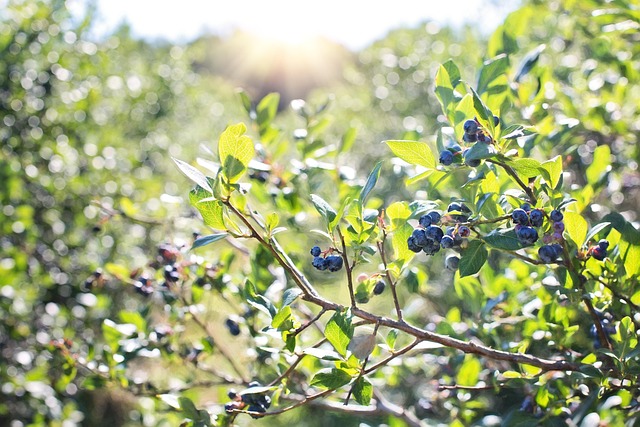
blueberry
Evidence-based care guide for Blueberry (). Covers disease treatment and care. Our analysis draws from 15 verified community cases with an average confidence score of 88%. Each protocol is synthesized from real rescue outcomes, not generic advice.
Care Essentials
Get to Know Your Blueberry
Watch the humidity — a little extra moisture in the air goes a long way with this plant.
Light
bright indirect
Prefers bright, indirect light. Keep out of harsh direct afternoon sun — it can scorch the leaves.
💡 Grow lights: Thrives under artificial grow lights (LED or fluorescent, 10-12 hours/day). A great option if your space lacks natural light.
Watering
every 5-7 days
Likes consistently moist (not soggy) soil. Water when the top inch feels dry. Don't let it dry out completely.
Humidity & Temperature
Appreciates some humidity but adapts to average home conditions. Brown tips in winter? Your air might be too dry — a light misting helps.
Prefers moderate temperatures (60-80°F). Keep away from radiators and intense afternoon sun windows.
Soil
Standard well-draining potting mix works well. Add perlite for extra drainage if you tend to overwater.
Care Requirements
At a Glance
Care Profile in Development
While our detailed care profile is being compiled, you can find specific care guidance in the 0 care-related diagnoses below — including watering schedules, light requirements, and propagation methods from real-world cases.
Start Here
Most Common Problems
Based on 15 analyzed cases — these are the issues you're most likely to encounter
Don't see your symptom? Search all 12 topics below, or run the Diagnostic.
What is the best soil mix for Blueberry?
Blueberries require acidic soil (pH 4.5-5.5) to absorb nutrients like iron....
Blueberry: Overwintering Pots
Potted blueberry roots are exposed to ambient air temperatures, making them...
Blueberry: Bird Protection
Birds will eat blueberries just as they begin to blush, long before they are...
Blueberry: Chlorosis
When soil pH rises above 5.5, blueberries cannot access iron in the soil, even...
Blueberry: Poor Pollination
High-rise balconies often lack sufficient pollinator traffic (bees)....
Which of the 7 Killers
is threatening your plants?
We analyzed 1,616 documented plant deaths to identify the 7 causes behind 78% of all losses. Answer 5 questions — we'll tell you exactly which ones apply to your setup.
Skip the quiz — get The 7 Killers course ($19) →Question 1 of 5
How do you decide when to water your plants?
Question 2 of 5
Where do most of your plants live?
Question 3 of 5
What's your home environment like?
Question 4 of 5
Have you lost a plant in the last 6 months?
Question 5 of 5
How often do you check your plants for pests?
Your diagnosis is ready
We've identified your top 2 risk killers. Enter your email to see the full breakdown and your personalized rescue protocol.
Your plants are most at risk from:

The 7 Killers mini-course covers every one of these in depth — mechanism, rescue protocol, prevention. 1,616 cases. 7 lessons. $19.
Get The 7 Killers — $19 →Get the Plant Mortality Checklist
The 7 killers behind 78% of houseplant deaths — and the exact fix for each. Free PDF based on 1,616 documented cases.
Your checklist is ready!
We also sent it to your inbox. Check your email for the full download.
Open the ChecklistFree. No spam. Unsubscribe anytime.
Verified Data
All Diagnoses
12 topics consolidated from 15 documented cases. Expand any topic to see all protocols.
Diseases (1 topics · 2 cases)
Blueberry: Bird Protection
Birds will eat blueberries just as they begin to blush, long before they are fully blue and sweet
2 protocols
80–91%
Blueberry: Bird Protection
Birds will eat blueberries just as they begin to blush, long before they are fully blue and sweet
Protocol 1: bird protection · 91% confidence
Cause
Birds will eat blueberries just as they begin to blush, long before they are fully blue and sweet. Standard draping of nets over the bush causes branches to bend and berries to fall off during removal.
Solutions
- Construct a PVC or bamboo frame around the container that is taller than the bush.
- Drape fine-mesh netting over the frame, securing it at the base of the pot with bungee cords or zip ties.
- Hang reflective tape or old CDs from the frame to create visual deterrents.
Prevention
Set up the netting structure immediately after the blossoms drop and the green berries begin to form.
Protocol 2: bird protection · 80% confidence
Cause
Birds are incredibly efficient at stripping a blueberry bush clean just as the berries turn blue. Container bushes are often isolated and exposed, making them easy targets.
Solutions
- Construct a PVC or bamboo frame around the container.
- Drape UV-resistant bird netting over the frame, ensuring the netting does NOT touch the berries (birds will peck through it).
- Secure the netting tightly at the base of the pot.
Prevention
Install netting frames early in the season before the fruit begins to color. Avoid hanging CDs or fake owls, as urban birds quickly adapt to visual scare tactics.
Other Topics (11 topics · 13 cases)
Blueberry: Chlorosis
When soil pH rises above 5
96%
Blueberry: Chlorosis
When soil pH rises above 5
Cause
When soil pH rises above 5.5, blueberries cannot access iron in the soil, even if it is present. This leads to interveinal chlorosis, where leaves turn yellow but the veins remain distinctly green.
Solutions
- Apply a fast-acting chelated iron foliar spray for immediate relief.
- Lower the soil pH by top-dressing with elemental sulfur or watering with a diluted vinegar solution (1 tbsp per gallon) as a stopgap.
- Repot into an acidic peat-based mix if the current soil is heavily alkaline.
Prevention
Consistently monitor pH and avoid using municipal tap water containing high calcium carbonate.
What is the best soil mix for Blueberry?
Blueberry container mixes rely heavily on peat moss for acidity
85%
What is the best soil mix for Blueberry?
Blueberry container mixes rely heavily on peat moss for acidity
Cause
Blueberry container mixes rely heavily on peat moss for acidity. If peat moss dries out completely, it becomes hydrophobic, repelling water so that it runs straight down the sides of the pot, leaving roots dry.
Solutions
- Bottom-water the container by placing it in a deep saucer or tub of water for 1-2 hours until the soil rehydrates and becomes heavy.
- Add a few drops of mild, biodegradable dish soap to the watering can to break the water's surface tension and help it soak in.
Prevention
Never let a blueberry pot dry out completely. Keep soil consistently moist but not soggy. Use a thick layer of pine needle or bark mulch to retain moisture.
Blueberry: Iron Chlorosis
Iron chlorosis occurs when the soil pH rises above 5
85%
Blueberry: Iron Chlorosis
Iron chlorosis occurs when the soil pH rises above 5
Cause
Iron chlorosis occurs when the soil pH rises above 5.5. The iron is present in the soil but chemically unavailable to the roots, causing new leaves to turn yellow while veins remain dark green.
Solutions
- Apply a chelated iron foliar spray for immediate temporary relief.
- Acidify the soil using iron sulfate or an acidifying liquid fertilizer designed for azaleas/rhododendrons.
- Adjust watering practices, using rainwater or acidified tap water to prevent future lockout.
Prevention
Monitor soil pH regularly with a meter. Maintain acidic soil using pine bark mulch and peat moss.
Blueberry: Overwintering Pots
Potted blueberry roots are exposed to ambient air temperatures, making them much more vulnerable to freeze damage than ground-planted bushes
2 protocols
90–94%
Blueberry: Overwintering Pots
Potted blueberry roots are exposed to ambient air temperatures, making them much more vulnerable to freeze damage than ground-planted bushes
Protocol 1: overwintering pots · 94% confidence
Cause
Potted blueberry roots are exposed to ambient air temperatures, making them much more vulnerable to freeze damage than ground-planted bushes. Rapid freeze-thaw cycles on sunny winter balconies can crack roots and desiccate the plant.
Solutions
- Move containers against a sheltered building wall to block freezing winds.
- Wrap the pot (not the plant) in bubble wrap, burlap, or old blankets to insulate the root zone.
- Water the container deeply right before a hard freeze; wet soil holds heat better than dry soil.
- Group multiple pots together to create a microclimate.
Prevention
Select a blueberry variety rated two hardiness zones colder than your actual location for container growing.
Protocol 2: overwintering pots · 90% confidence
Cause
Blueberry roots in containers lack ground insulation and can freeze solid. Because they lack fine root hairs, they are highly sensitive to winter desiccation and root freeze-thaw cycles.
Solutions
- Bury the entire container in the ground in a sheltered spot and mulch with 4-8 inches of straw.
- Alternatively, store in an unheated garage or cold cellar (35-45°F).
- If left on a balcony, push pots against a shared warm wall, wrap the pots in bubble wrap or burlap, and stuff the gaps with straw.
Prevention
Select cold-hardy varieties (like lowbush or half-highs) for your zone. Water sparingly 2-3 times over winter so roots don't dry out completely.
Blueberry: Poor Fruit Set
While many blueberry varieties are self-pollinating, they produce significantly larger and more abundant berries when cross-pollinated
85%
Blueberry: Poor Fruit Set
While many blueberry varieties are self-pollinating, they produce significantly larger and more abundant berries when cross-pollinated
Cause
While many blueberry varieties are self-pollinating, they produce significantly larger and more abundant berries when cross-pollinated. Balconies often lack sufficient pollinator traffic (bees).
Solutions
- Hand-pollinate by gently shaking the flowering branches daily or using a small electric toothbrush vibrating against the stem to release pollen.
- Plant a second, different blueberry variety that blooms at the same time to enable cross-pollination.
Prevention
Always buy at least two different varieties of blueberries. Plant pollinator-attracting flowers (like marigolds or lavender) nearby to draw bees to your balcony.
Blueberry: Poor Pollination
High-rise balconies often lack sufficient pollinator traffic (bees)
92%
Blueberry: Poor Pollination
High-rise balconies often lack sufficient pollinator traffic (bees)
Cause
High-rise balconies often lack sufficient pollinator traffic (bees). Additionally, many blueberry varieties are not self-fertile and require a different variety blooming at the same time for cross-pollination.
Solutions
- Hand-pollinate using a small, soft paintbrush, moving pollen from flower to flower gently.
- Plant at least two different varieties of blueberries (e.g., a Sunshine Blue and a Top Hat) in the same container or adjacent pots.
- Plant companion flowers like borage or marigolds nearby to attract the few high-flying pollinators.
Prevention
Select known self-pollinating dwarf varieties like 'Jelly Bean' or 'Peach Sorbet' if space is limited to one pot.
Blueberry: Pot Too Small
Blueberries have a dense, shallow, and fibrous root system
90%
Blueberry: Pot Too Small
Blueberries have a dense, shallow, and fibrous root system
Cause
Blueberries have a dense, shallow, and fibrous root system. When kept in pots smaller than 5 gallons, they quickly become root-bound, leading to stunted growth, rapid soil drying, and poor nutrient uptake.
Solutions
- Upsize the container to a 10-15 gallon pot or a half-whiskey barrel.
- During repotting, use a sharp knife to score the sides and bottom of the root mass, breaking the circular root memory.
- Fill the extra space with a 50/50 mix of acidic potting soil and fine pine bark mulch.
Prevention
Start with at least a 5-gallon container even for dwarf varieties, and plan to repot every 2-3 years as the bush matures.
Is my Blueberry rootbound?
Blueberries have fibrous root systems that easily become root-bound in smooth plastic pots
85%
Is my Blueberry rootbound?
Blueberries have fibrous root systems that easily become root-bound in smooth plastic pots
Cause
Blueberries have fibrous root systems that easily become root-bound in smooth plastic pots. Roots circle the perimeter, forming a dense mat that prevents water absorption and stunts growth.
Solutions
- Unpot the plant and aggressively score the root ball with a knife, cutting vertical slits to sever circling roots.
- Tease the roots outward before repotting into a significantly larger container (at least 24 inches deep and wide).
- Use a fresh 50/50 mix of acidic potting soil and peat/pine bark.
Prevention
Grow blueberries in fabric grow bags; the breathable fabric air-prunes the roots as they reach the edge, preventing circling entirely.
Blueberry: Scorched Leaves
Container blueberries placed on concrete balconies or patios suffer from high radiant heat
89%
Blueberry: Scorched Leaves
Container blueberries placed on concrete balconies or patios suffer from high radiant heat
Cause
Container blueberries placed on concrete balconies or patios suffer from high radiant heat. Dark-colored pots absorb sun, cooking the shallow roots, leading to crispy brown leaf margins and dropped fruit.
Solutions
- Move the container to a spot that receives morning sun and afternoon shade.
- Place the container inside a larger, light-colored pot (double-potting) to insulate the root zone from direct sun.
- Apply a thick 2-inch layer of pine bark mulch to cool the soil surface and retain moisture.
Prevention
Use light-colored, thick-walled resin or wood planters rather than black plastic nursery pots for permanent placement.
What is the best soil mix for Blueberry?
Blueberries require acidic soil (pH 4
2 protocols
90–95%
What is the best soil mix for Blueberry?
Blueberries require acidic soil (pH 4
Protocol 1: soil acidity · 95% confidence
Cause
Blueberries require acidic soil (pH 4.5-5.5) to absorb nutrients like iron. Regular potting soil is too alkaline, and tap water gradually raises pH over time, causing iron chlorosis (yellow leaves with green veins).
Solutions
- Plant strictly in an acidic mix like camellia/azalea mix or 50% peat moss / 50% pine bark.
- Top dress with elemental sulfur or soil acidifier twice a year.
- Water with rainwater or distilled water when possible, as tap water often contains alkaline minerals.
- Apply an acid-forming fertilizer (like ammonium sulfate) in early spring.
Prevention
Test container pH every 6 months and avoid using regular potting soil or alkaline tap water.
Protocol 2: soil acidity · 90% confidence
Cause
Blueberries require highly acidic soil (pH 4.5-5.5). Municipal hard tap water contains calcium carbonates that steadily raise the soil pH in containers, locking out nutrients like iron.
Solutions
- Acidify tap water by adding 1-2 ounces (2-4 tablespoons) of 5% white vinegar per gallon of water before watering.
- Top-dress the container with elemental sulfur or acidic mulch like pine bark.
- Apply iron sulfate for a quicker pH drop if leaves are actively yellowing.
Prevention
Use collected rainwater exclusively when possible. Start with an acidic potting mix (50% peat moss or pine bark). Check pH every spring.
Blueberry: Wrong Pot Size
Blueberries are long-lived shrubs
80%
Blueberry: Wrong Pot Size
Blueberries are long-lived shrubs
Cause
Blueberries are long-lived shrubs. When planted in standard 5-gallon buckets or small decorative pots, their root expansion is stunted, severely limiting canopy growth and fruit production.
Solutions
- Repot the blueberry into a half-barrel planter or a 15-25 gallon container.
- Prune back up to 1/3 of the older canes to balance the canopy with the restricted root system if a larger pot isn't possible.
Prevention
Start with dwarf varieties ('Top Hat', 'Jelly Bean') if limited to 5-10 gallon pots. For standard highbush varieties, commit to a 20+ gallon container from the start.
Common Questions
Frequently Asked Questions
Why does my blueberry have Soil acidity?
Cause: Blueberries require acidic soil (pH 4.5-5.5) to absorb nutrients like iron. Regular potting soil is too alkaline, and tap water gradually raises pH over time, causing iron chlorosis (yellow leaves with green veins).
Solution: Plant strictly in an acidic mix like camellia/azalea mix or 50% peat moss / 50% pine bark.
Prevention: Test container pH every 6 months and avoid using regular potting soil or alkaline tap water.
95% confidence · View full protocol →
Why does my blueberry have Overwintering pots?
Cause: Potted blueberry roots are exposed to ambient air temperatures, making them much more vulnerable to freeze damage than ground-planted bushes. Rapid freeze-thaw cycles on sunny winter balconies can crack roots and desiccate the plant.
Solution: Move containers against a sheltered building wall to block freezing winds.
Prevention: Select a blueberry variety rated two hardiness zones colder than your actual location for container growing.
94% confidence · View full protocol →
Why does my blueberry have Bird protection?
Cause: Birds will eat blueberries just as they begin to blush, long before they are fully blue and sweet. Standard draping of nets over the bush causes branches to bend and berries to fall off during removal.
Solution: Construct a PVC or bamboo frame around the container that is taller than the bush.
Prevention: Set up the netting structure immediately after the blossoms drop and the green berries begin to form.
91% confidence · View full protocol →
Why does my blueberry have Chlorosis?
Cause: When soil pH rises above 5.5, blueberries cannot access iron in the soil, even if it is present. This leads to interveinal chlorosis, where leaves turn yellow but the veins remain distinctly green.
Solution: Apply a fast-acting chelated iron foliar spray for immediate relief.
Prevention: Consistently monitor pH and avoid using municipal tap water containing high calcium carbonate.
96% confidence · View full protocol →
Why does my blueberry have Poor pollination?
Cause: High-rise balconies often lack sufficient pollinator traffic (bees). Additionally, many blueberry varieties are not self-fertile and require a different variety blooming at the same time for cross-pollination.
Solution: Hand-pollinate using a small, soft paintbrush, moving pollen from flower to flower gently.
Prevention: Select known self-pollinating dwarf varieties like 'Jelly Bean' or 'Peach Sorbet' if space is limited to one pot.
92% confidence · View full protocol →
Common Questions
Frequently Asked About Blueberry
What problems can Blueberry get?
Our database contains 15 documented Blueberry cases covering 12 distinct topics, including diseases, pest identification, environmental stress, propagation, and advanced care protocols — each with verified solutions.
Structured Learning
Ready to Go Deeper?
Explore our Mastery Packs for structured, video-based learning with step-by-step protocols from 20,000+ analyzed plant cases.
Browse All Courses →