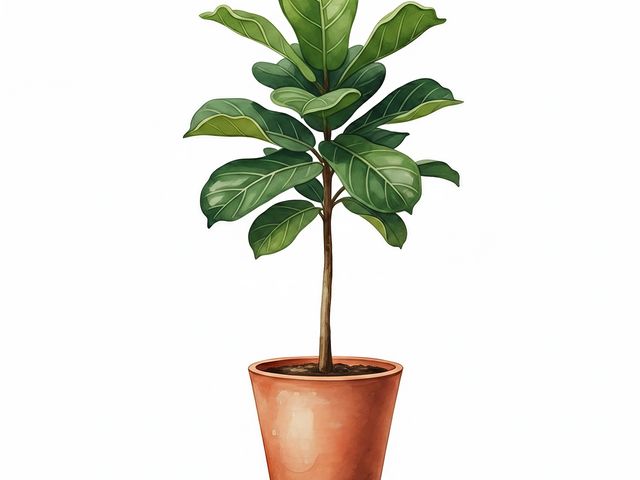
bonsai ficus
Evidence-based care guide for Bonsai Ficus (). Our analysis draws from 2 verified community cases with an average confidence score of 63%. Each protocol is synthesized from real rescue outcomes, not generic advice.
Care Requirements
At a Glance
Care Profile in Development
While our detailed care profile is being compiled, you can find specific care guidance in the 0 care-related diagnoses below — including watering schedules, light requirements, and propagation methods from real-world cases.
Start Here
Most Common Problems
Based on 2 analyzed cases — these are the issues you're most likely to encounter
Verified Data
All Diagnoses
Complete analysis of 2 cases for this variety. Select an entry to expand rescue protocols.
Common Questions
Frequently Asked Questions
Why does my bonsai ficus have Pruning maintenance?
Cause: Indoor Ficus bonsai (F. microcarpa, F. benjamina, F. retusa) exhibit branch dieback when interior canopy density exceeds light penetration capacity. Dense foliage creates shaded interior zones where branches compete for photosynthetically active radiation (PAR < 50 μmol/m²/s), triggering resource reallocation and eventual abscission of weak interior shoots. This is exacerbated in indoor conditions with directional light sources.
Solution: Remove 20-30% of interior 'sucker' branches using sterile concave cutters at branch collar
Prevention: Maintain open canopy structure through quarterly thinning; position bonsai within 3 feet of bright east or west windows; rotate 90° weekly to distribute light exposure; supplement with 4000-6500K LED grow lights at 12-inch distance when ambient PAR falls below 100 μmol/m²/s.
65% confidence · View full protocol →
Why does my bonsai ficus have Leaf drop maintenance?
Cause: Ficus bonsai stress manifests as dramatic leaf drop when environmental parameters shift beyond tolerance thresholds. Unlike deciduous trees with programmed seasonal abscission, Ficus species (especially F. benjamina and F. microcarpa) employ opportunistic leaf shedding as energy conservation during stress events including repotting, relocation, humidity changes, or inconsistent watering. The plant redirects resources from leaf maintenance to root and cambial repair.
Solution: Cease fertilization for 4-6 weeks post-stress event to prevent root burn
Prevention: Stabilize all environmental variables: maintain consistent light (2000-5000 lux), humidity (50-60% RH), and temperature (65-75°F); avoid repotting during active growth phases; water based on soil moisture (top 1-2 inches dry) rather than calendar schedules; acclimate gradually over 7-14 days when any parameter must change.
60% confidence · View full protocol →