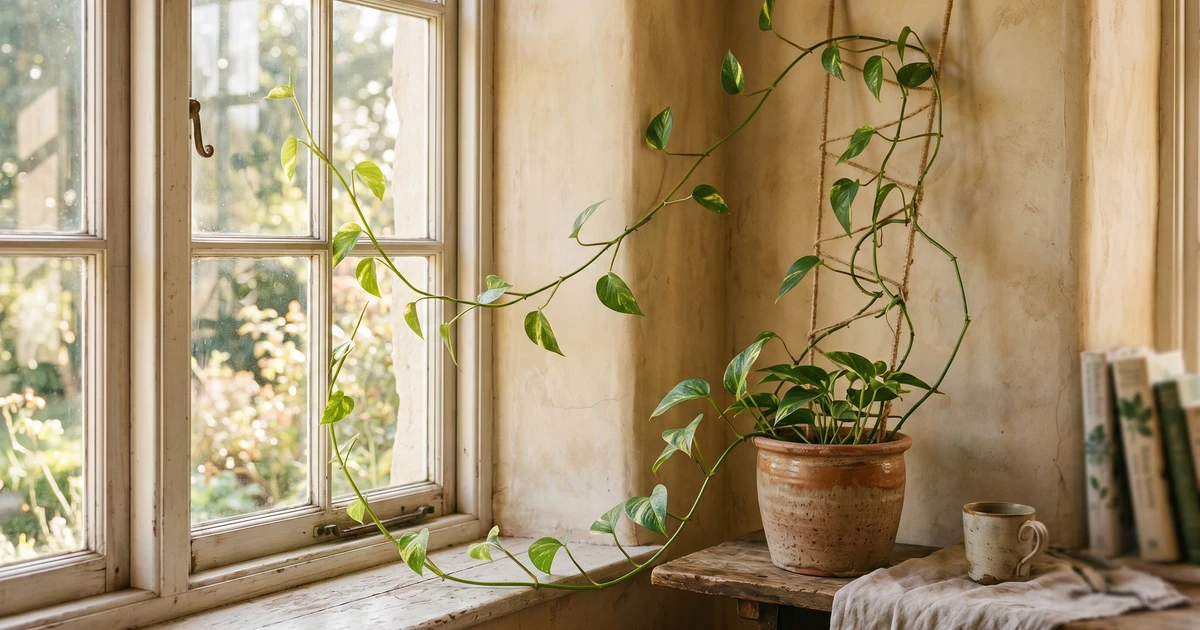
root rot prevention on Bonsai Jade
Quick answer
If your Bonsai Jade has root rot prevention, the most likely cause is: Crassula ovata (Jade Plant / Money Tree) bonsai develop shallow, adventitious root systems optimized for arid conditions. When grown in oversized containers with moisture-retentive substrate, the succulent's water-storing leaves mask declining root health until vascular collapse occurs. Anaerobic soil conditions below 2mg/L dissolved oxygen promote bacterial pathogens (Pythium, Fusarium) that break down fine root hairs, compromising water uptake despite adequate soil moisture.
Start here:
- 1. Unpot immediately and remove all old substrate; inspect roots for black/brown discoloration
- 2. Sterilize tools with 70% isopropyl alcohol; trim all mushy or discolored root tissue until only firm white/cream tissue remains
Why Bonsai Jade gets root rot prevention
Crassula ovata (Jade Plant / Money Tree) bonsai develop shallow, adventitious root systems optimized for arid conditions. When grown in oversized containers with moisture-retentive substrate, the succulent's water-storing leaves mask declining root health until vascular collapse occurs. Anaerobic soil conditions below 2mg/L dissolved oxygen promote bacterial pathogens (Pythium, Fusarium) that break down fine root hairs, compromising water uptake despite adequate soil moisture.
How to reverse root rot prevention on Bonsai Jade
- 1
Unpot immediately and remove all old substrate; inspect roots for black/brown discoloration
- 2
Sterilize tools with 70% isopropyl alcohol; trim all mushy or discolored root tissue until only firm white/cream tissue remains
- 3
Apply 3% hydrogen peroxide solution (1:1 with water) to remaining roots for 15-20 minutes to oxygenate and sterilize
- 4
Allow cut surfaces to callus for 48-72 hours on dry paper towel before repotting
- 5
Repot in completely dry bonsai mix with 60% inorganic component; withhold water for 7-10 days to prevent re-infection
Keep root rot prevention off this Bonsai Jade
Use shallow training pots only 1-2 inches larger than root ball; employ unglazed terracotta for natural moisture wicking; maintain substrate of 50% inorganic material (pumice, akadama, coarse sand); water only when substrate is completely dry at 2-inch depth; extend watering intervals to 3-4 weeks in winter dormancy.