Watering Maintenance on bonsai
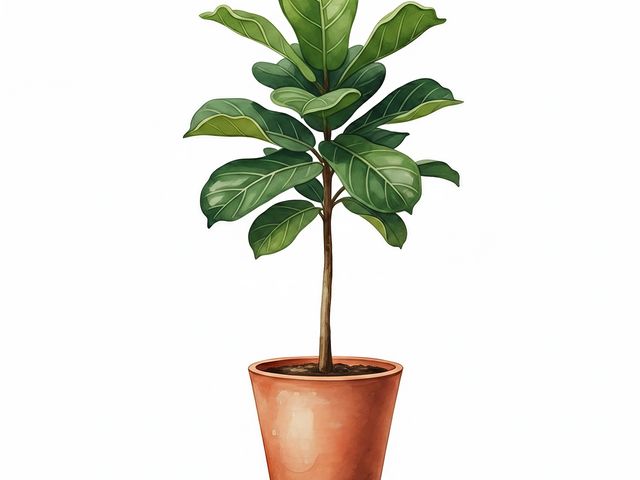
What's Happening
Indoor bonsai water requirements vary dramatically by species, substrate composition, and environmental humidity. Ficus species require consistent substrate moisture (never bone-dry) due to thin leaves with high transpiration rates, while Jade (Crassula) and other succulents require complete dry-out between waterings. Misapplication of uniform watering schedules leads to either drought stress (leaf drop, crispy margins) or anaerobic root rot depending on species mismatch.
How to Fix It
- 1
Identify species water category and check substrate at appropriate depth before each watering
- 2
Water thoroughly until drainage flows from pot bottom—never apply partial watering
- 3
Use room-temperature filtered water to avoid chlorine stress and mineral buildup in shallow bonsai pots
- 4
Increase ambient humidity via pebble trays for tropical bonsai (Ficus) rather than increasing watering frequency
- 5
Maintain drainage mesh over pot holes to prevent substrate loss and ensure complete drainage
How to Prevent It
Categorize bonsai by water requirements: Group A (Ficus, Chinese Elm) water when top 1 inch dries; Group B (Juniper, Pine) allow 2-3 inch dry depth; Group C (Jade, Portulacaria) water only when substrate is completely dry throughout. Use moisture meters calibrated for gritty bonsai substrate; adjust frequency seasonally—reduce 50% in winter dormancy for all species.