
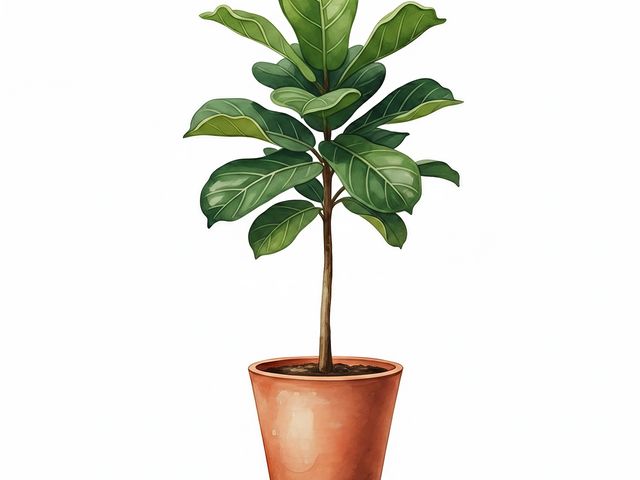
bromeliads
Evidence-based care guide for Bromeliads (). Covers propagation methods, watering and lighting. Our analysis draws from 6 verified community cases with an average confidence score of 80%. Each protocol is synthesized from real rescue outcomes, not generic advice.
Care Essentials
Get to Know Your Bromeliads
The #1 killer? Overwatering. Let the soil dry between waterings and your Bromeliads will thrive.
Light
medium to bright indirect
Tolerates lower light but grows best in medium to bright indirect light. Can get leggy without enough light.
💡 Grow lights: Thrives under artificial grow lights (LED or fluorescent, 10-12 hours/day). A great option if your space lacks natural light.
Watering
every 10-14 days
Let the soil dry out significantly between waterings — this plant is very sensitive to overwatering. When in doubt, wait another day.
Humidity & Temperature
Not fussy about humidity. Handles average indoor conditions without issue.
Standard room temperature (60-80°F / 15-27°C) is perfect. Avoid cold drafts and sudden temperature swings.
Soil
Needs well-draining soil — add perlite or orchid bark to a standard potting mix. Good drainage is critical to prevent root rot.
Care Requirements
At a Glance
Care Profile in Development
While our detailed care profile is being compiled, you can find specific care guidance in the 2 care-related diagnoses below — including watering schedules, light requirements, and propagation methods from real-world cases.
Start Here
Most Common Problems
Based on 6 analyzed cases — these are the issues you're most likely to encounter
Don't see your symptom? Search all 6 topics below, or run the Diagnostic.
How often should I water my Bromeliads?
Bromeliads are epiphytes that collect water through trichomes on their leaves...
How do I propagate my Bromeliads?
Bromeliads are monocarpic - they flower once then die. The mother plant...
How much light does my Bromeliads need?
Different bromeliad genera evolved in varying light conditions - Guzmania from...
Bromeliads: Potting Mix
Bromeliad roots evolved for anchoring on trees and rocks, not for absorbing...
What pests are on my Bromeliads?
Bromeliads in enclosed environments develop scale, mealybug, whitefly, aphids,...
Which of the 7 Killers
is threatening your plants?
We analyzed 1,616 documented plant deaths to identify the 7 causes behind 78% of all losses. Answer 5 questions — we'll tell you exactly which ones apply to your setup.
Skip the quiz — get The 7 Killers course ($19) →Question 1 of 5
How do you decide when to water your plants?
Question 2 of 5
Where do most of your plants live?
Question 3 of 5
What's your home environment like?
Question 4 of 5
Have you lost a plant in the last 6 months?
Question 5 of 5
How often do you check your plants for pests?
Your diagnosis is ready
We've identified your top 2 risk killers. Enter your email to see the full breakdown and your personalized rescue protocol.
Your plants are most at risk from:

The 7 Killers mini-course covers every one of these in depth — mechanism, rescue protocol, prevention. 1,616 cases. 7 lessons. $19.
Get The 7 Killers — $19 →Get the Plant Mortality Checklist
The 7 killers behind 78% of houseplant deaths — and the exact fix for each. Free PDF based on 1,616 documented cases.
Your checklist is ready!
We also sent it to your inbox. Check your email for the full download.
Open the ChecklistFree. No spam. Unsubscribe anytime.
Verified Data
All Diagnoses
6 topics consolidated from 6 documented cases. Expand any topic to see all protocols.
Diseases (1 topics · 1 cases)
What pests are on my Bromeliads?
Bromeliads in enclosed environments develop scale, mealybug, whitefly, aphids, and burrowing nematodes
80%
What pests are on my Bromeliads?
Bromeliads in enclosed environments develop scale, mealybug, whitefly, aphids, and burrowing nematodes
Cause
Bromeliads in enclosed environments develop scale, mealybug, whitefly, aphids, and burrowing nematodes. Fungal issues arise from poor air circulation and overwatering. Pesticide resistance develops from over-application.
Solutions
- 1. Inspect plants regularly for scale (small brown discs), mealybug (white cottony masses), and whitefly
- 2. For light infestations: Use organic mixture of 3 tablespoons Dr. Bronner's peppermint soap + 3 tablespoons pine-sol in 1 quart water
- 3. Spray only when infestation is visible to prevent pest resistance buildup
- 4. For fungal issues: Increase air movement and reduce humidity; apply appropriate fungicide from garden center
- 5. Isolate diseased plants immediately; destroy severely infected plants to prevent spread
Prevention
Maintain good air circulation, avoid overwatering, and inspect monthly. Use organic controls first before resorting to stronger chemical pesticides.
Watering Issues (1 topics · 1 cases)
How often should I water my Bromeliads?
Bromeliads are epiphytes that collect water through trichomes on their leaves rather than roots
80%
How often should I water my Bromeliads?
Bromeliads are epiphytes that collect water through trichomes on their leaves rather than roots
Cause
Bromeliads are epiphytes that collect water through trichomes on their leaves rather than roots. The central cup (tank) formed by overlapping leaves is the primary water reservoir. Stagnant water or overwatering soil while ignoring the cup leads to root rot or dehydration.
Solutions
- 1. Fill the central cup with water directly - this is the primary watering method
- 2. Let the cup dry out completely between waterings to prevent bacterial growth
- 3. Flush the cup with fresh water at least once monthly to remove debris and salts
- 4. Water the potting mix only when it starts to dry out - bromeliad roots are for attachment, not primary water uptake
Prevention
Keep the central cup filled with fresh water, changing it monthly, while allowing the potting mix to partially dry between waterings.
Propagation (1 topics · 1 cases)
How do I propagate my Bromeliads?
Bromeliads are monocarpic - they flower once then die
80%
How do I propagate my Bromeliads?
Bromeliads are monocarpic - they flower once then die
Cause
Bromeliads are monocarpic - they flower once then die. The mother plant produces offsets (pups/keikis) at the base that can be separated to create new plants. Premature separation or improper cutting technique causes offset failure.
Solutions
- 1. Wait until the offset reaches 2/3 the size of the mother plant before removal
- 2. Attempt gentle wiggling side to side and back and forth to detach naturally
- 3. If needed, use a serrated knife to cut vertically between offset and mother plant
- 4. Let the removed offset sit for 24 hours to dry out (callous) the cut surface
- 5. Dip the cut end in powdered rooting hormone (e.g., Hormex)
- 6. Plant in appropriately sized pot with well-draining bromeliad mix
Prevention
Allow offsets to mature to at least 2/3 of mother plant size before separation to ensure independent survival.
Other Topics (3 topics · 3 cases)
Why isn't my Bromeliads flowering?
Bromeliads naturally bloom on 20-24 month cycles
80%
Why isn't my Bromeliads flowering?
Bromeliads naturally bloom on 20-24 month cycles
Cause
Bromeliads naturally bloom on 20-24 month cycles. In non-native climates, environmental cues may be absent. Ethylene gas triggers the flowering hormone cascade, forcing bloom initiation in mature plants.
Solutions
- 1. Ensure plant is mature (typically 20-24 months from germination to bloom readiness)
- 2. Place a slice of apple in the central cup - the ethylene gas released induces flowering
- 3. Cover the cup with cellophane to trap ethylene gas around the plant
- 4. Alternatively: Use commercial ethylene solution (acetylene and water method used in Europe)
- 5. After forcing, blooms mature in 8-14 weeks
- 6. Never apply foliar fertilizer during the flowering cycle
Prevention
Force blooming only on mature plants (2/3 final size) using ethylene from apple slices or commercial solutions for reliable indoor blooming.
How much light does my Bromeliads need?
Different bromeliad genera evolved in varying light conditions - Guzmania from shaded forest understories need indirect light, while Neoregelia and some Aechmea tolerate more sun
80%
How much light does my Bromeliads need?
Different bromeliad genera evolved in varying light conditions - Guzmania from shaded forest understories need indirect light, while Neoregelia and some Aechmea tolerate more sun
Cause
Different bromeliad genera evolved in varying light conditions - Guzmania from shaded forest understories need indirect light, while Neoregelia and some Aechmea tolerate more sun. Insufficient light causes weak growth; too much causes leaf burn.
Solutions
- 1. Guzmania and Vriesea: Provide bright, indirect light - avoid direct sun exposure
- 2. Neoregelia: Can tolerate more light - moving to brighter conditions intensifies leaf coloration
- 3. Aechmea: Many varieties tolerate partial sun; variegated forms need more light to maintain color patterns
- 4. Cryptanthus: Prefers bright, diffused to low light conditions
- 5. Ensure adequate air movement with increased light to prevent overheating
Prevention
Match the bromeliad genus to appropriate light levels: Guzmania in bright shade, Neoregelia in moderate-to-bright light for best color development.
Bromeliads: Potting Mix
Bromeliad roots evolved for anchoring on trees and rocks, not for absorbing water from dense soil
80%
Bromeliads: Potting Mix
Bromeliad roots evolved for anchoring on trees and rocks, not for absorbing water from dense soil
Cause
Bromeliad roots evolved for anchoring on trees and rocks, not for absorbing water from dense soil. Standard potting mixes retain too much moisture, causing root rot. Cryptanthus (terrestrial) is the exception requiring sphagnum moss.
Solutions
- 1. Use a mix of 1/3 coarse peat, 1/3 sponge rock (perlite), 1/3 vermiculite with a wetting agent
- 2. For Aechmea and most genera: Well-draining, coarse mix that allows quick water passage
- 3. For Cryptanthus only: Use sphagnum moss with frequent watering - they prefer terrestrial conditions
- 4. Add slow-release fertilizer (14-12-14) at transplant: 1/2 tablespoon for 4" pot, 3/4 tablespoon for 6" pot, 1 tablespoon for gallon pot
- 5. Plant bromeliad 1 inch above the root system start when transplanting
Prevention
Use coarse, fast-draining mix for epiphytic bromeliads; reserve moisture-retentive media only for terrestrial Cryptanthus species.
Common Questions
Frequently Asked Questions
Why does my bromeliads have Watering?
Cause: Bromeliads are epiphytes that collect water through trichomes on their leaves rather than roots. The central cup (tank) formed by overlapping leaves is the primary water reservoir. Stagnant water or overwatering soil while ignoring the cup leads to root rot or dehydration.
Solution: 1. Fill the central cup with water directly - this is the primary watering method
Prevention: Keep the central cup filled with fresh water, changing it monthly, while allowing the potting mix to partially dry between waterings.
80% confidence · View full protocol →
Why does my bromeliads have Propagation?
Cause: Bromeliads are monocarpic - they flower once then die. The mother plant produces offsets (pups/keikis) at the base that can be separated to create new plants. Premature separation or improper cutting technique causes offset failure.
Solution: 1. Wait until the offset reaches 2/3 the size of the mother plant before removal
Prevention: Allow offsets to mature to at least 2/3 of mother plant size before separation to ensure independent survival.
80% confidence · View full protocol →
Why does my bromeliads have Light?
Cause: Different bromeliad genera evolved in varying light conditions - Guzmania from shaded forest understories need indirect light, while Neoregelia and some Aechmea tolerate more sun. Insufficient light causes weak growth; too much causes leaf burn.
Solution: 1. Guzmania and Vriesea: Provide bright, indirect light - avoid direct sun exposure
Prevention: Match the bromeliad genus to appropriate light levels: Guzmania in bright shade, Neoregelia in moderate-to-bright light for best color development.
80% confidence · View full protocol →
Why does my bromeliads have Potting-mix?
Cause: Bromeliad roots evolved for anchoring on trees and rocks, not for absorbing water from dense soil. Standard potting mixes retain too much moisture, causing root rot. Cryptanthus (terrestrial) is the exception requiring sphagnum moss.
Solution: 1. Use a mix of 1/3 coarse peat, 1/3 sponge rock (perlite), 1/3 vermiculite with a wetting agent
Prevention: Use coarse, fast-draining mix for epiphytic bromeliads; reserve moisture-retentive media only for terrestrial Cryptanthus species.
80% confidence · View full protocol →
Why does my bromeliads have Pests-diseases?
Cause: Bromeliads in enclosed environments develop scale, mealybug, whitefly, aphids, and burrowing nematodes. Fungal issues arise from poor air circulation and overwatering. Pesticide resistance develops from over-application.
Solution: 1. Inspect plants regularly for scale (small brown discs), mealybug (white cottony masses), and whitefly
Prevention: Maintain good air circulation, avoid overwatering, and inspect monthly. Use organic controls first before resorting to stronger chemical pesticides.
80% confidence · View full protocol →
Common Questions
Frequently Asked About Bromeliads
What problems can Bromeliads get?
Our database contains 6 documented Bromeliads cases covering 6 distinct topics, including diseases, pest identification, environmental stress, propagation, and advanced care protocols — each with verified solutions.
Structured Learning
Ready to Go Deeper?
Explore our Mastery Packs for structured, video-based learning with step-by-step protocols from 20,000+ analyzed plant cases.
Browse All Courses →