Crispy Leaves on calathea
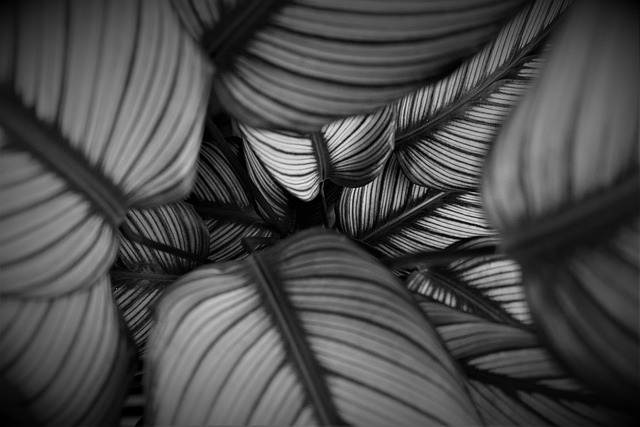
What's Happening
Calathea leaves develop crispy, brown edges when ambient humidity drops below 60% RH due to their tropical understory origin. The thin leaf tissue lacks protective cuticle thickness found in succulents, causing rapid desiccation at leaf margins where transpiration is highest. Cell collapse occurs first at edges because these areas have the highest surface area-to-volume ratio and furthest distance from vascular tissue. Indoor heating and air conditioning typically maintain 30-40% RH, creating chronic moisture stress that manifests as progressive marginal necrosis moving inward from leaf edges.
How to Fix It
- 1
Install a hygrometer near the plant to monitor humidity levels accurately
- 2
Use a humidifier targeting 60-80% RH - ultrasonic models work best for consistent output
- 3
Create humidity microclimates by grouping multiple tropical plants together
- 4
Place pot on a pebble tray filled with water (ensure pot sits above water line)
- 5
Move plant to bathroom if it has adequate indirect light and regular shower steam
How to Prevent It
Maintain 60-80% ambient humidity year-round using humidifiers or pebble trays. Group with other tropical plants to create transpiration synergy. Avoid placement near heating vents, radiators, or air conditioning units that dry air.