Crispy-Leaves on calathea
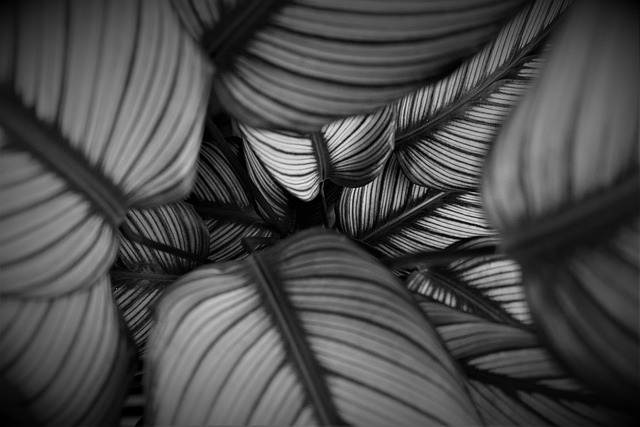
What's Happening
Crispy, brown leaf edges on Calathea are the plant's distress signal from insufficient humidity and water quality issues. Calathea leaves have high surface-area-to-volume ratios adapted for tropical understory environments (70-90% RH). When indoor humidity drops below 50%, transpiration exceeds water uptake capacity, causing marginal necrosis—the edges die first as water is prioritized to central leaf tissue. Tap water with fluoride/chlorine accelerates this damage by accumulating at leaf margins where transpiration concentrates dissolved minerals to toxic levels.
How to Fix It
- 1
Increase humidity immediately to 60-80% using cool-mist humidifier (most effective method)
- 2
Switch to distilled, RO, or rainwater exclusively—tap water causes irreversible marginal burn
- 3
Trim crispy edges with sterile scissors, following natural leaf shape for aesthetics
- 4
Place pot on pebble tray filled with water (pot sits above waterline, not in water)
- 5
Group plants together to create humidity microclimate via collective transpiration
- 6
Move away from heating/cooling vents, radiators, or drafty windows that create dry air zones
How to Prevent It
Maintain 60-80% humidity year-round with humidifier—digital hygrometer at plant level for monitoring. Use only distilled or rainwater for Calathea, especially Orbifolia and Medallion varieties. Avoid misting (causes fungal issues). Position away from HVAC vents. Consider glass cabinet or terrarium for most sensitive varieties.