Humidity Solutions on calathea
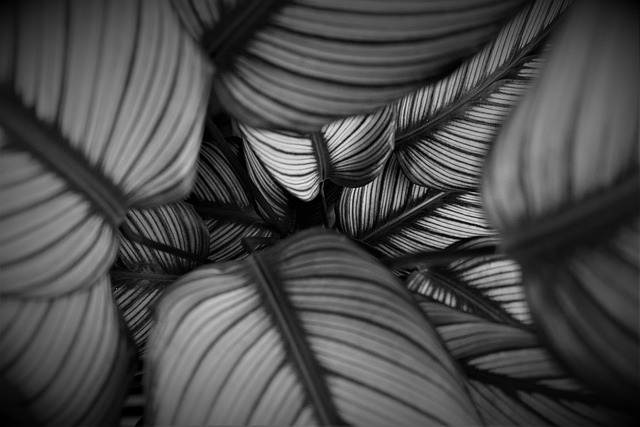
What's Happening
Calathea species require 60-80% relative humidity to maintain cellular turgidity and prevent marginal leaf necrosis. In heated indoor environments with 30-50% ambient humidity, pebble trays provide a passive humidity boost of 5-15% RH through evaporative cooling. Water in the tray evaporates from the large surface area created by pebbles, creating a localized humid microclimate around the plant without wetting foliage.
How to Fix It
- 1
Fill a shallow tray (2-3 inches deep) with clean pebbles, stones, or decorative rocks. The water level should remain below the top of the pebbles to prevent pot base from sitting in water.
- 2
Place the Calathea pot on top of the pebbles, ensuring the drainage holes are above water level. This prevents root rot while allowing evaporation to occur.
- 3
Refill tray with room-temperature distilled or rainwater as it evaporates. Check every 2-3 days in dry conditions, weekly in moderate humidity.
- 4
Position tray away from heating vents, radiators, or air conditioning drafts that rapidly dissipate the humid microclimate.
- 5
Combine with other humidity methods (grouping plants, humidifiers) for cumulative effect—pebble trays alone may be insufficient in very dry environments (<40% RH).
How to Prevent It
Position pebble tray setup immediately upon bringing Calathea home. Maintain consistent water levels year-round, increasing frequency in winter when heating systems reduce indoor humidity. Use distilled water to prevent mineral buildup on pebbles and pots.