Nyctinasty on calathea
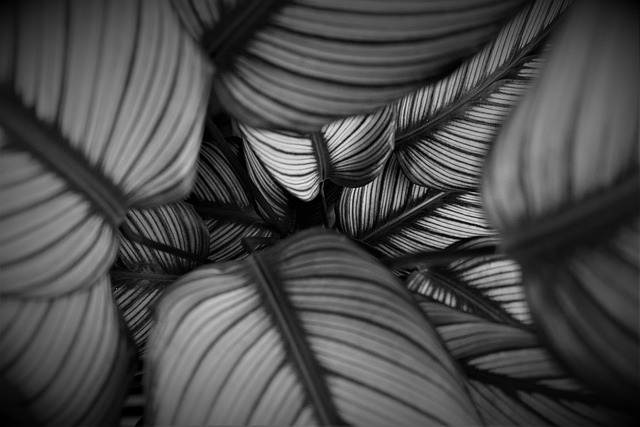
What's Happening
The pulvinus is a small specialized joint located at the base of each Calathea leaf petiole containing motor cells that control nyctinastic movement. These cells alternately gain and lose turgor pressure through potassium ion transport. During leaf closure, potassium ions (K+) move from dorsal to ventral motor cells, water follows by osmosis, and the leaf rises. This hydraulic mechanism requires functional cellular membranes and adequate plant hydration to operate.
How to Fix It
- 1
1. Inspect the pulvinus: Look for the slightly swollen joint where leaf meets stem - this should appear plump and firm, never shriveled
- 2
2. Maintain hydration: Water when top 1 inch of soil dries; pulvinus function requires consistent cellular water pressure
- 3
3. Verify temperature: Keep above 60°F (15°C) - cold temperatures below 55°F inhibit ion transport and pulvinus response
- 4
4. Check for damage: Examine pulvinus tissue for constriction marks, discoloration, or mechanical injury that would impede movement
- 5
5. Test responsiveness: Gently touch the leaf at night - it should resist repositioning if the pulvinus is properly engaged
How to Prevent It
Avoid physical damage to the leaf base where the pulvinus is located. Never tie or constrain leaves near the joint. Maintain consistent watering as dehydration permanently damages motor cell membranes. Protect from cold drafts that disrupt cellular ion transport.