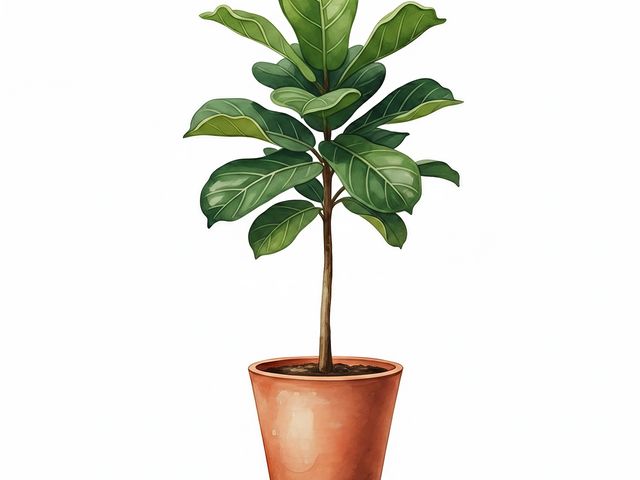
cast iron plant
Comprehensive care and diagnosis guide for the Cast Iron Plant. Based on 24 verified community insights.
Care Requirements
At a Glance
Detailed care profile is currently being compiled by the Plant Grail swarm.
Start Here
Most Common Problems
Based on 24 analyzed cases — these are the issues you're most likely to encounter
Why are my Cast Iron Plant leaves turning yellow?
Cast Iron Plant evolved in dim forest floors of East Asia, developing extreme...
Why does my Cast Iron Plant have watering schedule?
Called 'cast iron' for good reason—they tolerate neglect that kills other...
Why does my Cast Iron Plant have low light adaptation?
Thrives in 50-500 lux light levels—deep shade 10+ feet from north windows or...
Why isn't my Cast Iron Plant flowering?
Produces unique purple-brown flowers at soil level, often hidden beneath...
Why does my Cast Iron Plant have historical context?
Victorian England popularized the plant for dark parlors with poor light and...
Verified Data
All Diagnoses
Complete analysis of 24 cases for this variety. Select an entry to expand rescue protocols.
Environment (2)
Other Problems (12)
Pests (2)
Symptoms (2)
Watering Issues (1)
Further Reading
Related Articles
Common Questions
Frequently Asked Questions
Why does my cast iron plant have Yellow leaves?
Cause: Cast Iron Plant evolved in dim forest floors of East Asia, developing extreme shade tolerance. Yellow leaves indicate direct sun exposure burning shade-adapted tissue or severe overwatering causing root oxygen deprivation.
Solution: Move immediately from direct light to deep shade
Prevention: Position in north-facing windows or deep shade; use well-draining soil; water only when top 3 inches are dry; avoid direct sunlight.
85% confidence · View full protocol →
Why does my cast iron plant have Watering schedule?
Cause: Called 'cast iron' for good reason—they tolerate neglect that kills other houseplants. Native to shaded forests with seasonal dry periods, they store water in rhizomatous roots and survive months without irrigation. Achilles heel is overwatering, not underwatering.
Solution: Water thoroughly only when soil is dry to 3-inch depth
Prevention: Establish soak-and-dry routine; use finger test to 3-inch depth; pot in terracotta to wick excess moisture; never water on a schedule.
90% confidence · View full protocol →
Why does my cast iron plant have Low light adaptation?
Cause: Thrives in 50-500 lux light levels—deep shade 10+ feet from north windows or dim office corners. Photosynthesis evolved for forest floor conditions where direct sun never penetrates. High light causes photoinhibition and leaf bleaching.
Solution: If leaves show bleaching: move deeper into room immediately
Prevention: Measure with light meter; position 8+ feet from south/west windows; use as floor plant in windowless rooms with only artificial light.
88% confidence · View full protocol →
Why does my cast iron plant have Flowering and reproduction?
Cause: Produces unique purple-brown flowers at soil level, often hidden beneath leaves. Pollinated by fungus gnats and slugs in native habitats. Flowering is rare indoors but indicates exceptional plant health and age (typically 3+ years old).
Solution: Inspect base of plant monthly for emerging flower buds—look like small purple knobs
Prevention: Maintain plant for 3+ years in stable conditions; avoid disturbing roots; provide consistent care without frequent repotting.
89% confidence · View full protocol →
Why does my cast iron plant have Historical context?
Cause: Victorian England popularized the plant for dark parlors with poor light and heating. Survived conditions that killed ferns and palms. Became symbol of middle-class respectability—elegant but required no expensive greenhouse maintenance.
Solution: Use in spaces where other plants die: windowless bathrooms, north-facing hallways, dim offices
Prevention: Embrace the plant's heritage as ultimate survivor; use as confidence-builder for beginners; position in historically accurate dim corners.
90% confidence · View full protocol →