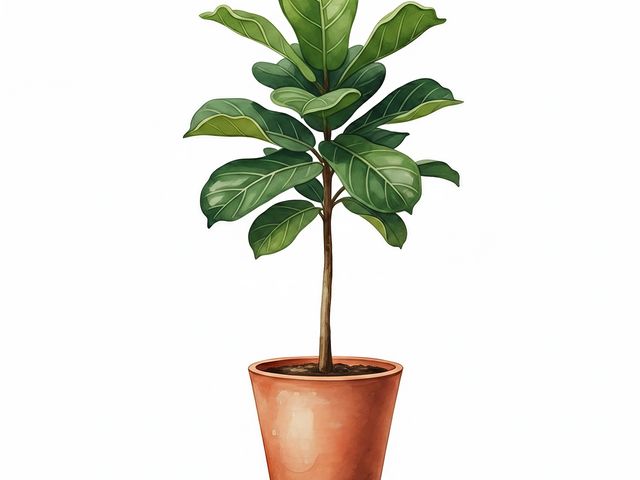
chamaedorea elegans
The Parlor Palm (Chamaedorea elegans) is a classic Victorian houseplant beloved for its elegant, arching fronds and remarkable adaptability to indoor conditions. Native to the tropical understories of Mexico and Guatemala, this slow-growing palm thrives in low to medium indirect light, making it perfect for offices and north-facing rooms. Its compact size (typically 2-4 feet indoors) and air-purifying qualities—documented in peer-reviewed studies showing formaldehyde removal capabilities—have made it a staple in interior design for over a century.
Care Requirements
At a Glance
Light
Data pending
Water
Data pending
- Humidity
Ideal temperature: -
Standard Mix
Growth rate:
The #1 Mistake
Watering issues account for 40% of Chamaedorea Elegans problems in our database (2 of 5 documented cases). Most failures trace back to watering on a schedule rather than checking soil moisture.
Expert Advice
Tips & Tricks
Use distilled or rainwater instead of tap water to avoid fluoride-induced brown tips
Increase humidity with a pebble tray or humidifier—mist alone is ineffective for this palm
Inspect fronds weekly for spider mites, especially in winter when indoor air is dry
Don't rush to repot; Parlor Palms prefer slightly rootbound conditions
Rotate the pot quarterly for even growth, as fronds naturally reach toward light sources
Trim brown tips with sterile scissors, cutting at an angle to mimic natural frond shape
If fronds fail to unfurl properly, check for low humidity or physical constriction
General Care Philosophy
"Parlor Palms prefer consistent moisture but not waterlogged soil. Water when the top 2 inches of soil are dry, and maintain humidity above 50% to prevent crispy brown tips. Use well-draining palm mix with bark and perlite. Fertilize monthly during spring and summer with balanced liquid fertilizer at half strength. Avoid direct sunlight which scorches fronds, and keep away from cold drafts and heat vents."
Start Here
Most Common Problems
Based on 5 analyzed cases — these are the issues you're most likely to encounter
Why do my Chamaedorea Elegans leaves have brown tips?
Brown leaf tips on Chamaedorea elegans primarily result from fluoride toxicity...
Why are my Chamaedorea Elegans leaves turning yellow?
Yellowing leaves in Parlor Palm result from three distinct causes: (1)...
What are these brown spots on my Chamaedorea Elegans?
Brown spots on Parlor Palm foliage result primarily from spider mite...
Why does my Chamaedorea Elegans have root rot?
Root rot in Chamaedorea elegans develops when the fibrous root system remains...
Why does my Chamaedorea Elegans have spider mites?
Spider mites (Tetranychus urticae) are the most common pest affecting Parlor...
Verified Data
All Diagnoses
Complete analysis of 5 cases for this variety. Select an entry to expand rescue protocols.
Common Questions
Frequently Asked Questions
Why does my chamaedorea elegans have Brown tips?
Cause: Brown leaf tips on Chamaedorea elegans primarily result from fluoride toxicity in tap water (levels >0.5 ppm), exacerbated by perlite substrates which can release stored fluorides. Palms accumulate fluorides in older leaves leading to necrotic tip burn. Low indoor humidity (<40% RH) accelerates transpiration stress, causing distal tip necrosis distinct from uniform yellowing in root rot.
Solution: Switch to distilled or rainwater immediately; affected leaves won't recover but new growth will improve
Prevention: Use distilled, rainwater, or fluoride-filtered water (aim <0.5 ppm fluoride); maintain 50-70% ambient humidity via pebble trays or humidifiers; avoid perlite in substrate—use pumice, coarse sand, or orchid bark instead; flush soil monthly to prevent salt buildup.
87% confidence · View full protocol →
Why does my chamaedorea elegans have Yellow leaves?
Cause: Yellowing leaves in Parlor Palm result from three distinct causes: (1) OVERWATERING in oversized pots or low light conditions (<500 lux) where reduced transpiration prolongs soil saturation; (2) UNDERWATERING causing hydrophobic soil that repels water despite dry appearance; (3) NATURAL SENESCENCE of oldest fronds as plant reallocates energy upward. Key diagnostic: multiple yellowing fronds with soggy soil indicates overwatering; single oldest frond yellowing is natural aging.
Solution: For overwatering: unpot, inspect roots for rot (trim mushy/black roots), repot in well-draining mix, reduce watering frequency
Prevention: Match pot size to root ball (only 1-2 inches larger); provide 4-6 hours bright indirect light (1000-2500 lux) to drive transpiration; water only when top 2-3 inches are dry—use wooden skewer test rather than surface moisture meters.
89% confidence · View full protocol →
Why does my chamaedorea elegans have Brown spots?
Cause: Brown spots on Parlor Palm foliage result primarily from spider mite infestation (Tetranychus urticae), which causes characteristic stippling—tiny white/yellow dots from cell puncture and chlorophyll extraction leading to bronzing and necrosis. Secondary causes include fungal pathogens (Botryosphaeriaceae family) entering through wounds, often associated with imported palm foliage carrying latent infections.
Solution: Inspect leaf undersides with magnifier for mites, fine webbing, or eggs; confirm stippling pattern
Prevention: Maintain 50-70% humidity year-round (mites thrive <40% RH); quarantine new plants for 14 days; inspect leaf undersides weekly with 10x magnification; improve air circulation without creating drafts; avoid wetting foliage to prevent fungal spore germination.
86% confidence · View full protocol →
Why does my chamaedorea elegans have Root rot?
Cause: Root rot in Chamaedorea elegans develops when the fibrous root system remains in waterlogged, poorly aerated soil for 7+ days. Unlike succulents, Parlor Palms evolved in tropical understories with consistent moisture but require oxygen exchange—anaerobic conditions promote bacterial and fungal pathogens (Pythium, Fusarium) that break down root tissue, causing vascular collapse. Symptoms include yellowing lower fronds, stunted new growth, and basal softness.
Solution: Unpot immediately and gently wash away all soil to expose entire root system
Prevention: Use well-draining palm mix (40% bark, 30% perlite, 30% potting soil); ensure pot has multiple drainage holes; water only when top 2 inches are dry; avoid oversized pots that retain excess moisture; maintain bright indirect light to drive transpiration.
88% confidence · View full protocol →
Why does my chamaedorea elegans have Spider mites?
Cause: Spider mites (Tetranychus urticae) are the most common pest affecting Parlor Palms indoors, thriving in the dry air conditions typical of heated homes (<40% relative humidity). These arachnids pierce leaf cells with stylets to extract chlorophyll, causing characteristic stippling—tiny pale dots that coalesce into bronzing and necrosis. Chamaedorea elegans is particularly susceptible due to its thin, delicate fronds and preference for higher humidity.
Solution: Inspect weekly: Check leaf undersides with magnifying glass for mites, webbing, or eggs—early detection is critical
Prevention: Maintain consistent humidity above 50% via humidifiers or pebble trays; quarantine new plants for 14 days; perform weekly leaf inspections with 10x magnifier; avoid placing plants near heat vents or air conditioners; misting alone is ineffective—use environmental humidity control.
91% confidence · View full protocol →