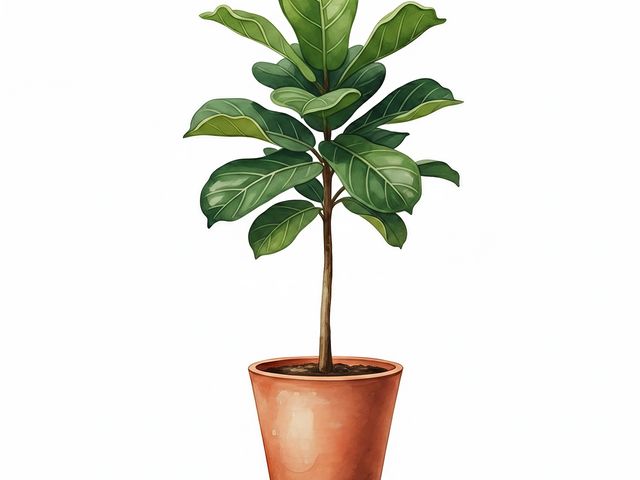
citrus
Comprehensive care and diagnosis guide for the Citrus. Based on 6 verified community insights.
Care Requirements
At a Glance
Detailed care profile is currently being compiled by the Plant Grail swarm.
Start Here
Most Common Problems
Based on 6 analyzed cases — these are the issues you're most likely to encounter
Why are my Citrus leaves turning yellow?
Indoor citrus yellow leaves result from multiple interconnected stressors:...
Why does my Citrus have chlorosis?
Interveinal chlorosis (yellowing between leaf veins while veins stay green) in...
Why does my Citrus have care requirements?
Indoor citrus (Citrus spp.) are subtropical evergreens requiring specific...
Why does my Citrus have light needs?
Citrus trees are obligate high-light plants evolved for full subtropical sun...
Why does my Citrus have watering?
Indoor citrus watering failures stem from root rot (anaerobic conditions from...
Verified Data
All Diagnoses
Complete analysis of 6 cases for this variety. Select an entry to expand rescue protocols.
Other Problems (1)
Common Questions
Frequently Asked Questions
Why does my citrus have Yellow leaves?
Cause: Indoor citrus yellow leaves result from multiple interconnected stressors: overwatering-induced root rot (soil saturation >7 days creates anaerobic conditions), underwatering (soil pulling away from pot edges), nitrogen deficiency (older leaves yellow while veins stay green), iron/magnesium deficiency from alkaline soil pH >7.5 causing interveinal chlorosis on new leaves, insufficient light (<8 hours daily triggers energy depletion), and pest stress from spider mites, scale, or aphids.
Solution: Check soil moisture: If soggy, unpot and inspect roots—trim black/mushy roots, repot in well-draining mix
Prevention: Use finger test: water only when top 2-3 inches are dry. Maintain 8+ hours bright direct light. Use citrus-specific fertilizer with micronutrients during growing season. Keep soil pH 6.0-6.5. Flush soil quarterly to prevent salt buildup. Inspect leaves weekly for pests.
75% confidence · View full protocol →
Why does my citrus have Chlorosis?
Cause: Interveinal chlorosis (yellowing between leaf veins while veins stay green) in citrus occurs primarily from iron or magnesium deficiency. High soil pH (>7.5) locks these micronutrients in insoluble forms, preventing root uptake. Container citrus is especially vulnerable because limited soil volume leads to rapid pH shifts from hard tap water and fertilizer salts.
Solution: Test soil pH using test strips—target 6.0-6.5 range; if >7.0, apply elemental sulfur at 1 tbsp per gallon of soil
Prevention: Maintain soil pH 6.0-6.5 using acidic potting mix or periodic sulfur amendments. Use rainwater or distilled water to prevent mineral buildup. Apply micronutrient-rich citrus fertilizer monthly during growing season. Flush soil with plain water monthly to leach excess salts.
78% confidence · View full protocol →
Why does my citrus have Care requirements?
Cause: Indoor citrus (Citrus spp.) are subtropical evergreens requiring specific environmental conditions to thrive indoors. Success depends on providing 8-12 hours bright light (minimum 2000 foot-candles), consistent warmth (65-85°F), moderate humidity (50-60%), and frequent feeding. Container-grown citrus are heavy feeders needing more nutrients than garden plants due to limited root zone and leaching from watering.
Solution: Light optimization: Place within 2-3 feet of south window; rotate weekly for even exposure
Prevention: Position near unobstructed south-facing window. Use deep pots (minimum 5-gallon for mature trees) to accommodate fibrous root systems. Maintain 50-60% humidity via humidifier or pebble trays. Fertilize consistently during growing season with citrus-specific formula containing N-P-K plus iron, zinc, manganese.
82% confidence · View full protocol →
Why does my citrus have Light needs?
Cause: Citrus trees are obligate high-light plants evolved for full subtropical sun exposure. Indoors, insufficient light (<8 hours daily or <2000 foot-candles) triggers etiolation (leggy growth), reduced photosynthesis, premature leaf yellowing and drop, and failure to flower/fruit. Light deprivation weakens immune response, making plants more susceptible to pests and disease. Even 'bright indirect light' near north or east windows is inadequate for mature citrus.
Solution: Assess current light: Use light meter or smartphone app—target 3000-5000 foot-candles (32,000-53,000 lux)
Prevention: Position citrus within 2-3 feet of unobstructed south or southwest-facing window providing 8-12 hours direct light. Supplement with full-spectrum grow lights (minimum 40W LED) positioned 12-18 inches above canopy for 12-14 hours daily if natural light insufficient. Rotate pot 90 degrees weekly for balanced growth.
85% confidence · View full protocol →
Why does my citrus have Watering?
Cause: Indoor citrus watering failures stem from root rot (anaerobic conditions from soil saturation >7 days) or drought stress (extended dry periods causing root desiccation). Citrus prefer evenly moist but never soggy soil. Container-grown trees dry faster than garden plants due to limited soil volume and indoor heating. Watering frequency must adjust seasonally—citrus use 50% less water in winter dormancy but still cannot tolerate complete drought.
Solution: Check before watering: Insert finger 2-3 inches deep—water only if dry at that depth
Prevention: Use finger test: Water only when top 2-3 inches of soil are dry to touch. Ensure pot has drainage holes and soil drains within 30 seconds. Use well-draining citrus/cactus mix. Reduce watering 50% during winter (October-March). Empty saucer 30 minutes after watering to prevent root suffocation.
83% confidence · View full protocol →