Toxicity Calcium Oxalate Crystals on dieffenbachia
What's Happening
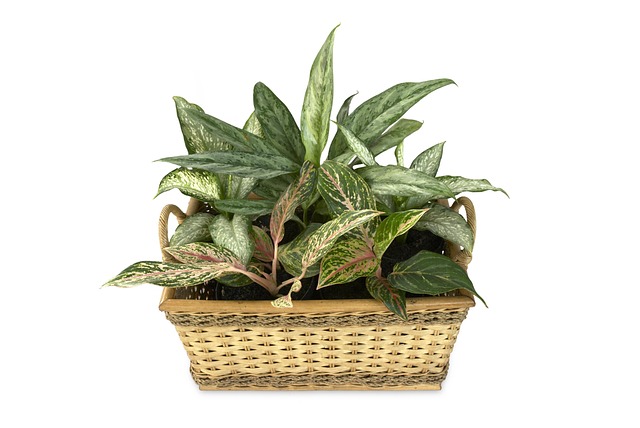
Dieffenbachia contains insoluble calcium oxalate crystals (raphides) in all plant tissues. When chewed or ingested, these needle-like crystals embed in oral mucous membranes causing immediate burning, swelling, and difficulty swallowing. The plant also releases proteolytic enzymes that intensify the inflammatory response. This toxicity poses serious risks to pets and small children who may mouth plant leaves out of curiosity.
How to Fix It
- 1
If ingestion occurs: Rinse mouth thoroughly with cool water for 15 minutes
- 2
Do not induce vomiting - this can worsen tissue damage
- 3
Seek immediate medical or veterinary attention if symptoms persist
- 4
For skin contact: Wash affected area with soap and water
- 5
Monitor for difficulty breathing - rare but requires emergency care
- 6
Document the plant for healthcare providers: show them the Dieffenbachia or photos
How to Prevent It
Position Dieffenbachia on high shelves, hanging planters, or in rooms inaccessible to pets and children. Educate household members about the plant's toxicity. Consider alternative non-toxic plants (Spider Plant, Boston Fern) for homes with toddlers or curious pets. Place warning labels on pots as reminders.