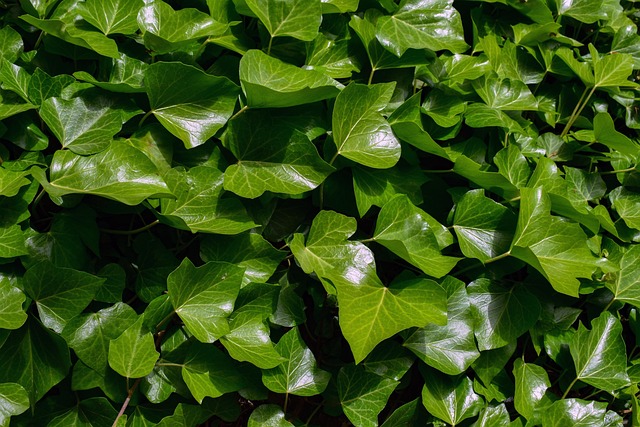
english ivy
Hedera helix
Comprehensive care and diagnosis guide for the English Ivy. Based on 6 verified community insights.
Care Requirements
At a Glance
Detailed care profile is currently being compiled by the Plant Grail swarm.
Start Here
Most Common Problems
Based on 6 analyzed cases — these are the issues you're most likely to encounter
Why does my English Ivy have spider mites?
English Ivy is highly susceptible to spider mites in low humidity (<40%). Mites...
What are these brown spots on my English Ivy?
Brown spots often result from overwatering (edema) or bacterial leaf spot....
What disease does my English Ivy have?
Outdoor or dense indoor ivy is prone to Rust (Puccinia) or Anthracnose...
Why does my English Ivy have root rot?
Thin ivy roots rot quickly in dense, waterlogged soil, especially after...
Why does my English Ivy have climbing mechanism and adhesive?
English Ivy produces nanospherical arabinogalactan proteins (AGPs) in its...
Verified Data
All Diagnoses
Complete analysis of 6 cases for this variety. Select an entry to expand rescue protocols.
Other Problems (1)
Common Questions
Frequently Asked Questions
Why does my english ivy have Spider mites?
Cause: English Ivy is highly susceptible to spider mites in low humidity (<40%). Mites thrive in the dense foliage, and infestations often explode in heated indoor environments during winter.
Solution: Isolate the plant immediately.
Prevention: Perform weekly leaf inspections. Wipe leaves with a damp cloth to remove dust. Maintain humidity above 50%.
92% confidence · View full protocol →
Why does my english ivy have Brown spots?
Cause: Brown spots often result from overwatering (edema) or bacterial leaf spot. Edema spots are usually dark and water-soaked, while bacterial spots may have yellow halos. Stagnant air and wet foliage exacerbate the issue.
Solution: Let the top 1-2 inches of soil dry before watering.
Prevention: Use well-draining soil with perlite. Maintain humidity without wetting the leaves. Ensure the pot has drainage holes.
88% confidence · View full protocol →
Why does my english ivy have Fungal infection?
Cause: Outdoor or dense indoor ivy is prone to Rust (Puccinia) or Anthracnose (Colletotrichum). High humidity and poor airflow allow spores to thrive on foliage.
Solution: Prune away all infected material and dispose of it securely.
Prevention: Maintain moderate humidity (40-60%) and avoid overhead irrigation. Prune annually in spring. Select rust-resistant varieties.
85% confidence · View full protocol →
Why does my english ivy have Root rot?
Cause: Thin ivy roots rot quickly in dense, waterlogged soil, especially after transplant shock. Mushy black roots prevent water uptake, leading to limp, drying leaves despite wet soil.
Solution: Unpot and inspect roots; trim all black or mushy tissue.
Prevention: Never let ivy sit in standing water. Use terracotta pots for better moisture wicking. Acclimate new plants before repotting.
90% confidence · View full protocol →
Why does my english ivy have Climbing mechanism and adhesive?
Cause: English Ivy produces nanospherical arabinogalactan proteins (AGPs) in its adventitious roots that create a high-strength bioadhesive. The adhesive enables ivy to climb vertical surfaces through mechanical interlocking and calcium-driven electrostatic interactions.
Solution: Provide bright indirect light to support climbing growth
Prevention: Ivy thrives in challenging conditions - avoid overwatering and excessive care that disrupts natural stress-response mechanisms
95% confidence · View full protocol →