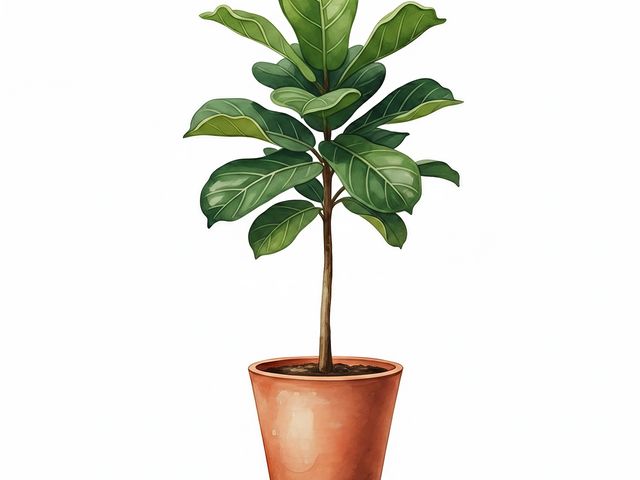
epipremnum pinnatum
Comprehensive care and diagnosis guide for the Epipremnum Pinnatum. Based on 8 verified community insights.
Care Requirements
At a Glance
Detailed care profile is currently being compiled by the Plant Grail swarm.
Start Here
Most Common Problems
Based on 8 analyzed cases — these are the issues you're most likely to encounter
Why does my Epipremnum Pinnatum have variegated care?
Variegated Epipremnum pinnatum cultivars have reduced chlorophyll in...
Why do my Epipremnum Pinnatum leaves have brown tips?
Leaf tip necrosis in Epipremnum pinnatum results from inconsistent substrate...
Why are my Epipremnum Pinnatum leaves turning yellow?
Basal leaf yellowing in Epipremnum pinnatum represents natural senescence as...
Why does my Epipremnum Pinnatum have light requirements?
Epipremnum pinnatum requires bright indirect light (2000-5000 lux) for optimal...
Why does my Epipremnum Pinnatum have transplant shock?
Post-purchase acclimation stress occurs when Epipremnum pinnatum transitions...
Verified Data
All Diagnoses
Complete analysis of 8 cases for this variety. Select an entry to expand rescue protocols.
Other Problems (2)
Propagation (1)
Common Questions
Frequently Asked Questions
Why does my epipremnum pinnatum have Variegated care?
Cause: Variegated Epipremnum pinnatum cultivars have reduced chlorophyll in white/cream sectors, requiring 30-50% more light energy to maintain equivalent photosynthetic rates compared to solid-green forms. This physiological limitation makes variegated specimens more susceptible to low-light stress, manifesting as reversion (loss of variegation), stunted growth, and increased vulnerability to root rot due to slower metabolism.
Solution: Relocate to brighter location receiving 4-6 hours of filtered morning light or east-facing window
Prevention: Provide bright indirect light (3000-5000 lux) or 12-14 hours of supplemental grow light exposure to maintain variegation. Monitor new growth coloration—loss of white sectors indicates insufficient light triggering chloroplast proliferation for survival over ornamental value.
85% confidence · View full protocol →
Why does my epipremnum pinnatum have Brown tips?
Cause: Leaf tip necrosis in Epipremnum pinnatum results from inconsistent substrate moisture—specifically hydrophobic soil conditions where peat-based mixes repel water when allowed to fully dry, creating dry pockets around fibrous roots while surface appears moist. Alternatively, chronic underwatering causes cellular desiccation starting at leaf margins where vascular tissue terminates.
Solution: Test soil moisture at 2-inch depth using wooden skewer—dry wood indicates watering needed
Prevention: Maintain consistent soil moisture by checking hydration at 2-inch depth with wooden skewer or moisture meter. Water thoroughly when top 50% of soil volume approaches dryness, never allowing complete desiccation of root ball.
87% confidence · View full protocol →
Why does my epipremnum pinnatum have Yellow leaves?
Cause: Basal leaf yellowing in Epipremnum pinnatum represents natural senescence as the plant reallocates resources from older, shaded lower leaves to support apical growth and new vine extension. This evolutionary adaptation prioritizes energy investment in photosynthetically efficient young foliage and climbing structures over maintaining declining lower leaves that receive minimal light.
Solution: Identify affected leaves: confirm yellowing isolated to oldest basal leaves closest to soil surface
Prevention: Accept basal leaf drop as normal vining plant behavior when limited to lowest 1-2 leaves per stem. Maintain bright indirect light to minimize stress-induced premature senescence and support vigorous new growth.
89% confidence · View full protocol →
Why does my epipremnum pinnatum have Light requirements?
Cause: Epipremnum pinnatum requires bright indirect light (2000-5000 lux) for optimal growth—contrary to its reputation as a 'low-light plant.' Insufficient light reduces photosynthetic output, slowing growth and diminishing variegation. Conversely, direct sunlight causes phototoxicity, breaking down chlorophyll and causing necrotic brown patches on leaves adapted to forest understory conditions.
Solution: Assess current light: use phone light meter app to measure lux at plant location
Prevention: Position in bright indirect light 6-8 feet from south/west windows or adjacent to east/north windows. Use sheer curtains to diffuse direct sun exposure. Variegated forms require higher light (3000-5000 lux) to maintain coloration.
91% confidence · View full protocol →
Why does my epipremnum pinnatum have Transplant shock?
Cause: Post-purchase acclimation stress occurs when Epipremnum pinnatum transitions from greenhouse conditions (high humidity 70-80%, stable temperatures, controlled irrigation) to home environments. This transition disrupts established physiological rhythms and triggers temporary resource reallocation, manifesting as yellowing lower leaves and slowed growth for 2-4 weeks.
Solution: Place in location with similar light to nursery for first 2 weeks
Prevention: Quarantine new plants in stable environment matching nursery conditions for 2-3 weeks before repotting or major care changes. Gradually adjust light and humidity to target levels over 7-14 days.
88% confidence · View full protocol →