Seasonal Feeding on fertilizer
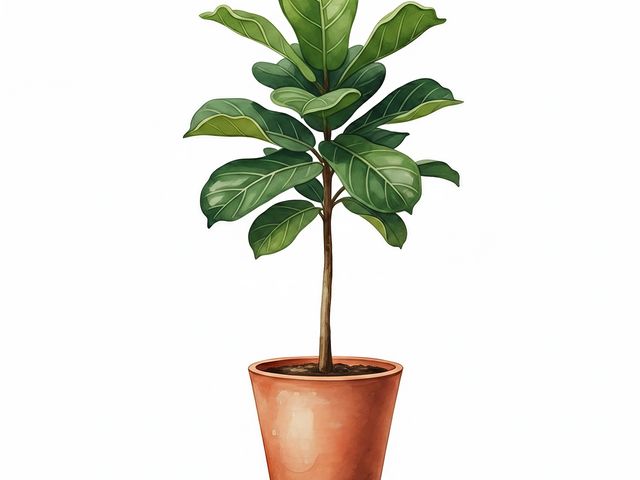
What's Happening
Houseplants follow seasonal growth cycles driven by light intensity and day length rather than outdoor temperature changes. During spring and summer (March-September in northern hemisphere), increasing light levels above 1000-2000 lux trigger active photosynthesis and nutrient demand. In fall and winter, declining light below 500-800 lux causes growth slowdown or dormancy, reducing nutrient requirements by 50-75%. Continuing fertilization during low-light periods forces plants to process nutrients they cannot use, resulting in salt buildup, root damage, and leaf burn. Most tropical houseplants do not enter true dormancy but significantly reduce metabolic activity in winter.
How to Fix It
- 1
Spring (March-May): Resume fertilizing when new growth appears; use 1/4 strength balanced fertilizer every 2-3 weeks; increase to weekly for heavy feeders like monstera and fiddle leaf fig
- 2
Summer (June-August): Peak growing season; maintain 2-4 week schedule; watch for rapid growth indicating adequate feeding; reduce if growth becomes leggy (overfeeding with low light)
- 3
Fall (September-November): Reduce to monthly applications; decrease concentration to 1/8 strength; watch for slowing growth as signal to further reduce
- 4
Winter (December-February): Pause fertilizing entirely unless using grow lights providing 12+ hours at 2000+ lux; if growing under lights, continue at 1/8 strength monthly
- 5
Monitor light levels: Use light meter or observe growth rate—if no new leaves in 6+ weeks, withhold fertilizer regardless of season; resume only when growth restarts
How to Prevent It
Establish seasonal schedule: Full strength (1/4 diluted) every 2-4 weeks March through August; half-strength or monthly September through October; pause November through February or apply only if plants show active growth under grow lights; resume in March when new growth appears; adjust for grow light use—plants under 12+ hour LED grow lights may need year-round monthly feeding.