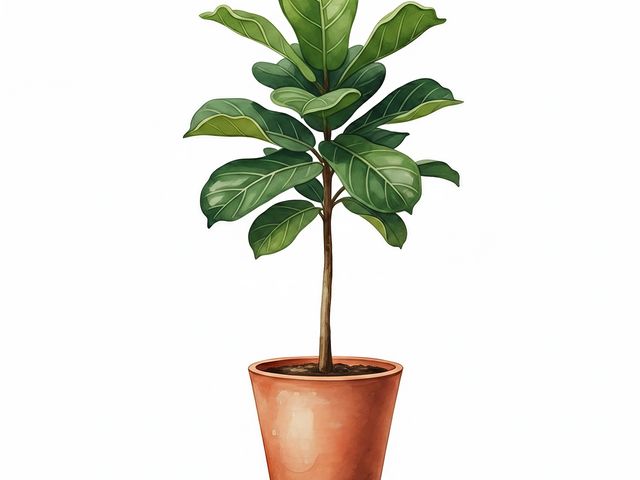
ficus shivereana
Ficus elastica 'Shivereana'
Comprehensive care and diagnosis guide for the Ficus Shivereana. Based on 11 verified community insights.
Care Requirements
At a Glance
Detailed care profile is currently being compiled by the Plant Grail swarm.
Start Here
Most Common Problems
Based on 11 analyzed cases — these are the issues you're most likely to encounter
Why does my Ficus Shivereana have curling leaves?
Curling leaves in Ficus Shivereana indicate chronic drought stress from...
Why does my Ficus Shivereana have dropping leaves?
Leaf drop in Ficus Shivereana results from the perfect storm of environmental...
Why is my Ficus Shivereana wilting?
Severe drooping in Ficus Shivereana with wrinkled leaf bases indicates acute...
When should I repot my Ficus Shivereana?
Newly acquired Ficus Shivereana experience transplant shock from nursery...
Why does my Ficus Shivereana have loss of variegation?
Ficus Shivereana produces variegated leaves only when receiving sufficient...
Verified Data
All Diagnoses
Complete analysis of 11 cases for this variety. Select an entry to expand rescue protocols.
Other Problems (3)
Pests (1)
Symptoms (1)
Watering Issues (1)
Common Questions
Frequently Asked Questions
Why does my ficus shivereana have Curling leaves?
Cause: Curling leaves in Ficus Shivereana indicate chronic drought stress from underwatering or inconsistent moisture, despite the plant being a rubber plant cultivar with some drought tolerance. Unlike standard Ficus elastica, the variegated Shivereana has reduced chlorophyll in white/cream sections, making it more sensitive to moisture stress. Low humidity can exacerbate curling but is rarely the primary cause unless humidity drops below 30%.
Solution: Water thoroughly until excess drains from holes; wait 10-15 minutes then discard standing water
Prevention: Establish consistent watering based on soil dryness rather than calendar schedules. Variegated cultivars require more consistent moisture than standard green varieties due to reduced photosynthetic capacity. Maintain 50-60% humidity and bright indirect light (1500-3000 lux) to reduce water stress.
75% confidence · View full protocol →
Why does my ficus shivereana have Dropping leaves?
Cause: Leaf drop in Ficus Shivereana results from the perfect storm of environmental stressors: shallow pot constraining root development, overwatering on weekly schedules during winter dormancy, and reduced light from recent relocation. Variegated Ficus cultivars are more sensitive to root health issues than standard elastica because their reduced chlorophyll makes them less efficient at recovering from stress. The combination of soggy soil and limited light prevents the plant from processing water, accelerating root suffocation.
Solution: Repot immediately into deeper pot (2-3 inches deeper) with well-draining aroid mix: 50% potting soil, 30% perlite, 20% orchid bark
Prevention: Select pots matching root depth requirements from the start; variegated Ficus need more stable conditions. Implement seasonal watering schedules - weekly in summer, monthly in winter. Use moisture meters to avoid guesswork. Repot every 1-2 years before roots become severely bound.
80% confidence · View full protocol →
Why does my ficus shivereana have Drooping?
Cause: Severe drooping in Ficus Shivereana with wrinkled leaf bases indicates acute cellular dehydration from underwatering. The variegated cultivar has thinner leaf cuticles than standard Ficus elastica, making visible wilting occur faster when dry. If soil is moist yet drooping persists, suspect inadequate root establishment (common in recently acquired cuttings) or early root rot compromising water uptake despite moisture availability.
Solution: Test soil with full finger insertion; if completely dry, water thoroughly until excess drains
Prevention: For new acquisitions: maintain slightly more frequent watering during first 2-3 months while roots establish. Always use pots with drainage. Establish finger-test routine before each watering. Variegated varieties show stress faster - monitor closely during acclimation.
75% confidence · View full protocol →
Why does my ficus shivereana have Repotting stress?
Cause: Newly acquired Ficus Shivereana experience transplant shock from nursery transport, leading to leaf drop if not acclimated properly. Variegated cultivars are more susceptible to shock than green varieties due to reduced stress tolerance from lower chlorophyll content. The plant needs time to adjust to new light, humidity, and temperature conditions before any repotting occurs.
Solution: Wipe leaves gently with damp rag to remove transport dust and boost photosynthesis in variegated tissue
Prevention: Stabilize environment at 65-85°F with 50-60% humidity and no drafts. Use moisture meter for precise watering. Avoid repotting during winter dormancy. Variegated Ficus should only be repotted when roots visibly circle pot or emerge from drainage holes.
75% confidence · View full protocol →
Why does my ficus shivereana have Loss of variegation?
Cause: Ficus Shivereana produces variegated leaves only when receiving sufficient light energy to support the cream/white mutated tissue, which contains little to no chlorophyll. In low light conditions below 1000 lux, the plant prioritizes survival by reverting to solid green leaves that photosynthesize more efficiently. This is an adaptive response, not a disease, but destroys the cultivar's primary ornamental value. New growth emerges increasingly green, starting from the stem outward.
Solution: Move immediately to bright indirect light: 2500-4000 lux - 3-5 feet from east/west window or supplemental grow light
Prevention: Maintain consistent bright indirect light year-round; variegated Ficus cultivars require 2-3x the light of standard green varieties. Monitor light levels with phone app or lux meter monthly. Supplement with grow lights during winter when natural light drops below threshold. Never place in direct hot sun from south window which burns variegated tissue.
85% confidence · View full protocol →