Air Purification Optimization on fiddle leaf fig
What's Happening
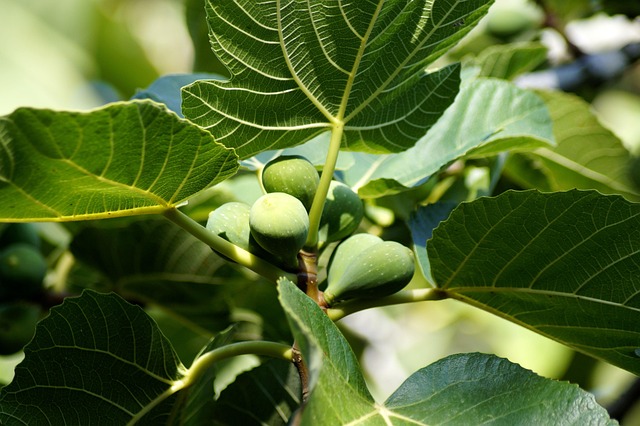
Ficus lyrata possesses exceptional phytoremediation capabilities for indoor air quality improvement. Research demonstrates high Air Pollution Tolerance Index (APTI) and Anticipated Performance Index (API) among indoor plants. The large, violin-shaped leaves effectively capture dust particles and absorb volatile organic compounds (VOCs) through stomata. Seasonal studies show increased pollutant deposition during winter months when indoor air quality typically declines. Among common indoor plants, Ficus lyrata ranks superior to Schefflera arboricola for air purification performance.
How to Fix It
- 1
Position plant in rooms with potential VOC sources: kitchens, offices with electronics, or areas with synthetic materials
- 2
Maintain bright indirect light (2000-5000 lux) to drive photosynthetic pollutant metabolism
- 3
Keep humidity at 40-60% to maintain open stomata for gas exchange
- 4
Dust leaves monthly with damp cloth to maintain particle capture efficiency
- 5
Combine with Ficus elastica for synergistic air purification effects
- 6
Monitor plant health: vigorous growth correlates with optimal phytoremediation activity
How to Prevent It
Maintain healthy plant with adequate light and humidity to maximize phytoremediation efficiency. Avoid chemical fertilizers that may interfere with metabolic pollutant breakdown. Position in areas with consistent air circulation for optimal particle deposition.
Related Problems
Same Problem on Other Plants
Go Deeper
This is covered in-depth in the fiddle leaf fig Mastery Pack — structured modules with video walkthroughs, advanced protocols, and rescue timelines.
Get the Mastery Pack — $37 →