Air-Quality on fiddle leaf fig
What's Happening
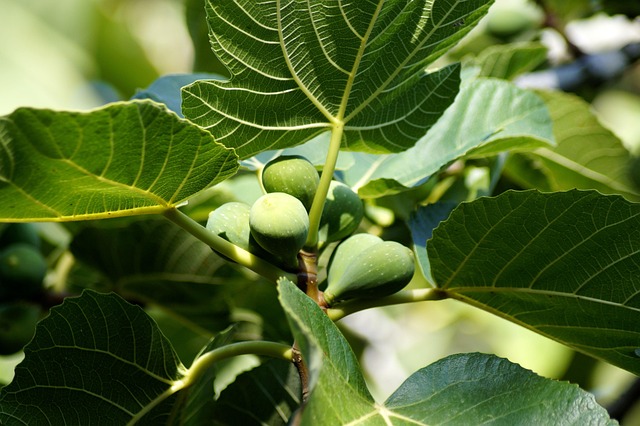
Fiddle Leaf Fig (Ficus lyrata) demonstrates significant air pollution tolerance and phytoremediation capacity for indoor environments. Research in Delhi, India showed F. lyrata effectively captures coarse and fine dust particles on foliar surfaces, with higher dustfall fluxes during winter months. The plant's biochemical parameters (chlorophyll, soluble sugars, ascorbic acid) enable it to tolerate air pollution stress better than many common houseplants.
How to Fix It
- 1
Monitor leaf surfaces monthly for dust buildup
- 2
Gently wipe leaves with damp microfiber cloth to restore gas exchange
- 3
Maintain consistent humidity levels (40-60%) for optimal biochemical function
- 4
Group with other air-purifying plants for synergistic effect
- 5
Monitor plant health via Air Pollution Tolerance Index (APTI) indicators: chlorophyll content and ascorbic acid levels
How to Prevent It
Wipe leaves monthly with damp cloth to remove dust accumulation. Maintain 40-60% humidity to optimize particle capture. Position in areas with air circulation but avoid direct drafts from heating/AC vents.
Related Problems
Go Deeper
This is covered in-depth in the fiddle leaf fig Mastery Pack — structured modules with video walkthroughs, advanced protocols, and rescue timelines.
Get the Mastery Pack — $37 →