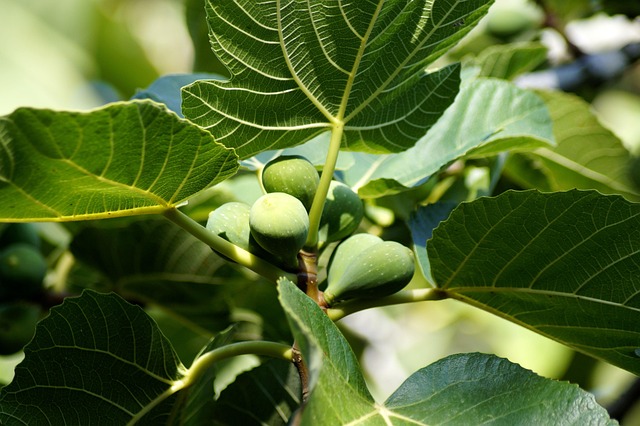
Chlorosis on fiddle leaf fig
What's Happening
Chlorophyll degradation exceeds synthesis under stress; salicylic acid upregulates chlorophyll biosynthesis genes (PORA, CHLH) and stabilizes thylakoid membranes against oxidative damage
How to Fix It
- 1
Apply salicylic acid at 100 ppm (100 mg/L) foliar spray to address chlorotic leaves
- 2
Treat at first sign of yellowing—before 30% of leaf area is affected
- 3
Combine with magnesium sulfate (Epsom salt) at 1g/L for synergistic chlorophyll production
- 4
Expect visible greening within 14-21 days; discontinue if no improvement after 30 days
How to Prevent It
Prophylactic SA application (100 ppm, twice/year) maintains chlorophyll content 35-40% above untreated levels, preventing stress-induced yellowing before it manifests
Related Problems
Same Problem on Other Plants
Go Deeper
This is covered in-depth in the fiddle leaf fig Mastery Pack — structured modules with video walkthroughs, advanced protocols, and rescue timelines.
Get the Mastery Pack — $37 →