Edema on fiddle leaf fig
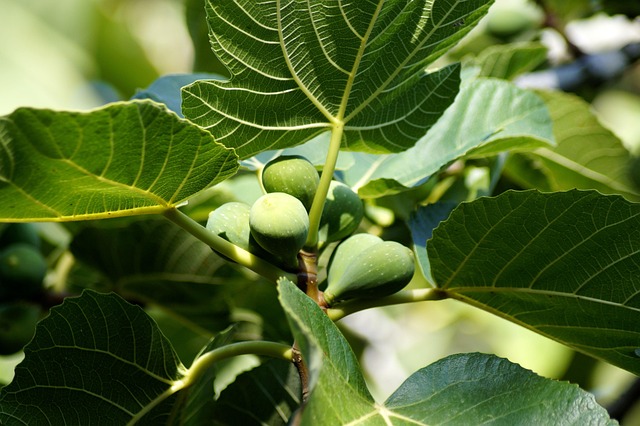
What's Happening
Edema (oedema) in Fiddle Leaf Figs is a physiological disorder—not a disease—caused by water uptake exceeding transpiration capacity. When roots absorb water faster than leaves can release it through stomata, internal cell pressure builds until epidermal cells rupture, creating corky brown spots on new growth. Primary triggers: (1) INCONSISTENT WATERING—cycles of drought followed by heavy watering cause roots to rapidly absorb when finally available; (2) LOW LIGHT—reduced transpiration rate means water accumulates in tissues; (3) HIGH HUMIDITY + POOR AIRFLOW—saturated air slows evaporation from leaf surfaces; (4) COLD WATER—chilling root zone reduces metabolic processing of water uptake.
Alternative causes:
- • Edema (oedema) in Ficus lyrata is a physiological disorder, not a disease. It occurs when root water uptake exceeds leaf transpiration capacity, causing epidermal cells to rupture. Triggers include: (1) Inconsistent watering where dry soil is suddenly saturated, (2) High humidity (>60%) combined with low light reducing transpiration, (3) Bottom-watering in poorly draining peat-based mixes causing waterlogged root zones despite dry topsoil. New leaves are most vulnerable because their epidermal cells are still developing. Manifests as corky, brown, slightly raised spots on new growth that may fade as leaves mature but do not heal.
How to Fix It
- 1
1. Confirm edema vs root rot: Edema spots appear on new growth only, feel corky rather than soft, and are not accompanied by mushy roots or yellowing older leaves.
- 2
2. Stabilize watering immediately: Establish consistent schedule based on soil dryness, not calendar days. Water thoroughly only when top 2 inches are dry.
- 3
3. Increase light exposure: Move to brighter location (east/west window) to boost transpiration rate and help plant process excess moisture.
- 4
4. Improve air circulation: Place small oscillating fan near plant (not directly on leaves) to increase evapotranspiration.
- 5
5. Be patient: Edema spots are permanent on affected leaves but will not spread once conditions stabilize; new growth will emerge normal.
What You'll Need
How to Prevent It
Maintain consistent watering schedule—water only when top 2 inches of soil are dry; provide bright indirect light (2000-5000 lux) to drive transpiration; ensure air circulation with gentle fan; use room-temperature water (65-75°F) to avoid root zone chilling; maintain 40-60% humidity—not excessive.
Related Problems
Same Problem on Other Plants
Go Deeper
This is covered in-depth in the fiddle leaf fig Mastery Pack — structured modules with video walkthroughs, advanced protocols, and rescue timelines.
Get the Mastery Pack — $37 →