Phytochemical Profile on fiddle leaf fig
What's Happening
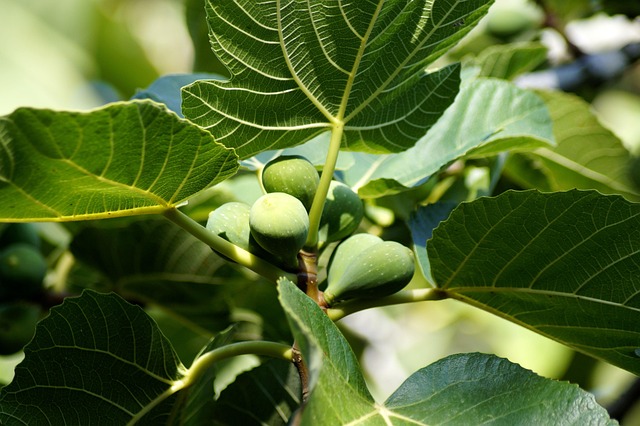
Ficus lyrata leaves and fruits contain 72 identified metabolites including 17 flavonoids, benzoic acids, caffeoylquinic acids, fatty acids, and sphingolipids. The major flavonoid classes are catechins/procyanidins (dimers and trimers comprising epicatechin and epiafzelechin units) and C-glycosides of luteolin and apigenin. This rich polyphenol profile contributes to the plant's antioxidant capacity, air pollution tolerance, and leaf structural integrity. The phytochemical composition directly relates to leaf health and resilience.
How to Fix It
- 1
1. For leaf health optimization: Ensure consistent bright indirect light to support chlorophyll and carotenoid synthesis—both are linked to polyphenol production
- 2
2. Monitor leaf color: Rich green coloration indicates healthy chlorophyll content; pale leaves suggest reduced metabolite synthesis
- 3
3. Nutritional support: Use balanced fertilizer with micronutrients (especially magnesium for chlorophyll) at 1/4 strength during growing season
- 4
4. Stress prevention: Avoid sudden environmental changes that trigger defensive phenolic compound accumulation at expense of growth
- 5
5. For air purification efficacy: Healthy, metabolically active leaves perform better particulate capture—dust monthly to maintain stomatal function
How to Prevent It
Maintain optimal growing conditions to support natural phytochemical production. Provide bright indirect light (2000-5000 lux) to ensure adequate photosynthesis for metabolite synthesis. Avoid over-fertilization which can dilute phenolic compound concentration. Maintain moderate humidity (40-60%) to prevent stress that degrades phytochemical balance.
Related Problems
Same Problem on Other Plants
Go Deeper
This is covered in-depth in the fiddle leaf fig Mastery Pack — structured modules with video walkthroughs, advanced protocols, and rescue timelines.
Get the Mastery Pack — $37 →