Potassium Deficiency on fiddle leaf fig
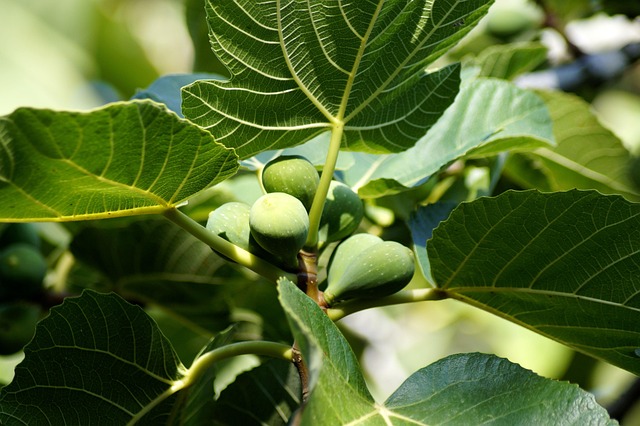
What's Happening
Research on Ficus species demonstrates that potassium (K) is critical for water regulation, enzyme activation, and stress tolerance. Studies on fig transplants show that optimal potassium levels (6g K2O per plant per season) correlate with maximum leaf dry matter percentage, improved photosynthetic efficiency, and enhanced drought resistance. Potassium-deficient Fiddle Leaf Figs exhibit weak stems, reduced leaf turgor, and increased susceptibility to environmental stress. Research indicates that combining potassium sulfate (48% K2O) with organic compost creates synergistic effects better than chemical-only approaches.
How to Fix It
- 1
Apply potassium through balanced NPK or potassium sulfate (48% K2O) at 6g per plant per growing season
- 2
Divide potassium application into 3 doses during active growth (Feb/March, March/April, April/May)
- 3
Combine with organic compost (25-50% of fertilization mix) for enhanced potassium retention
- 4
Monitor recovery via stem strength and leaf turgidity improvements over 4-6 weeks
- 5
For acute deficiency: Foliar application of potassium nitrate at 0.5% solution
How to Prevent It
Maintain consistent potassium supply throughout growing season using balanced NPK fertilizer. Include organic compost (1.32% K content) in potting mix. Avoid excessive nitrogen without potassium balance, which creates weak, leggy growth. Monitor stem rigidity and leaf firmness as indicators of adequate potassium status.
Related Problems
Same Problem on Other Plants
Go Deeper
This is covered in-depth in the fiddle leaf fig Mastery Pack — structured modules with video walkthroughs, advanced protocols, and rescue timelines.
Get the Mastery Pack — $37 →