Stagnant Growth on fiddle leaf fig
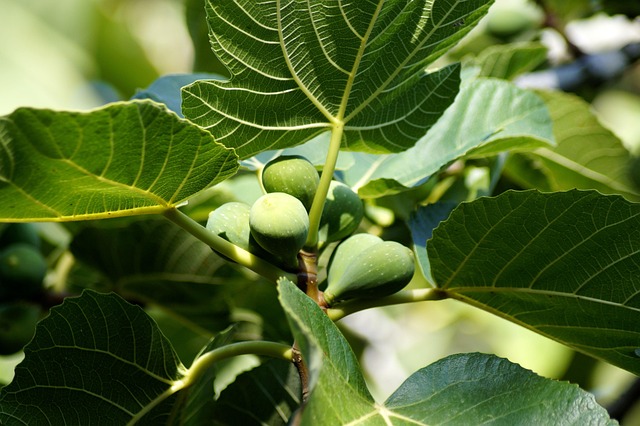
What's Happening
Mechanical stimulation (shaking) triggers thigmomorphogenesis in Ficus lyrata through ethylene and gibberellin signaling pathways. Regular movement simulates wind stress, promoting lignin deposition, stem thickening, and triggering dormant meristems to produce new leaves. Indoor environments lack this mechanical cue, resulting in stagnant growth despite adequate light and nutrients.
How to Fix It
- 1
1. Gently shake entire plant 1-2 times weekly for 10-20 seconds
- 2
2. Ensure bright indirect light (1000-2000 fc) during stimulation period
- 3
3. Maintain 60-80% humidity with pebble tray or humidifier
- 4
4. Apply diluted balanced fertilizer monthly during active growth
- 5
5. Monitor for 4-6 weeks; expect new leaf emergence from dormant buds
How to Prevent It
Incorporate weekly plant movement into care routine; use fans for gentle air circulation; maintain consistent bright indirect light and 40-60% humidity.
Related Problems
Go Deeper
This is covered in-depth in the fiddle leaf fig Mastery Pack — structured modules with video walkthroughs, advanced protocols, and rescue timelines.
Get the Mastery Pack — $37 →