Apartment Jungle Design on general houseplants
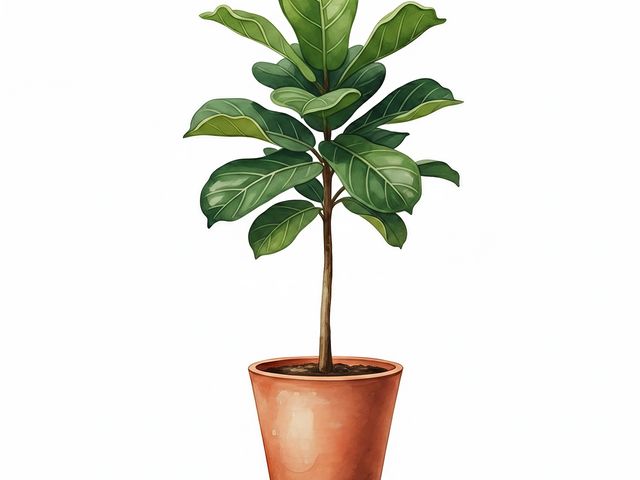
What's Happening
Random plant placement in apartments creates microclimate conflicts—sun-loving species languish in dark corners while shade-tolerant plants scorch in direct windows. Successful apartment jungles require zonal planning based on light intensity (measured in foot-candles or lux), humidity gradients, and vertical space utilization. South-facing windows provide 5000+ lux (high light), east/west 2000-4000 lux (medium), north under 1000 lux (low). Humidity naturally concentrates in bathrooms and kitchens. Strategic grouping creates beneficial microclimates where plants support each other's transpiration and pest resistance.
How to Fix It
- 1
Zone by light intensity: Place succulents and cacti within 2 feet of south windows; position pothos and snake plants 3-5 feet from bright windows; locate ZZ plants and snake plants in low-light corners.
- 2
Create humidity zones: Group tropical plants (calatheas, ferns) in bathrooms or on pebble trays; use humidifiers for collections exceeding 20 plants.
- 3
Maximize vertical space: Install floating shelves at varying heights; use macramé hangers to utilize ceiling space; place trailing plants on high shelves to cascade downward.
- 4
Implement grow lights: Supplement north-facing rooms with full-spectrum LED panels providing 2000-4000 lux for 12-14 hours daily; position 12-18 inches above canopy.
- 5
Design traffic flow: Maintain 18-inch walkways between plant groupings; avoid blocking HVAC vents which create drying drafts.
How to Prevent It
Measure light levels with phone apps or lux meters before plant placement; acclimate plants gradually when moving between zones; maintain 40-60% ambient humidity to prevent pest proliferation; quarantine new acquisitions for 14 days before integrating into the jungle.