Brown Leaf Tips on general houseplants
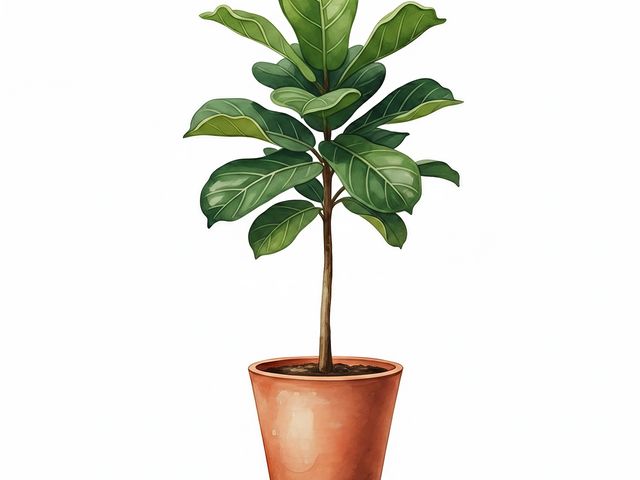
What's Happening
Brown leaf tips (marginal necrosis) in houseplants primarily result from fluoride and chlorine toxicity in municipal tap water. These halogen ions accumulate in leaf margins over 2-4 weeks of regular watering, disrupting cellular metabolism and causing tissue death at the leaf apex where water transpires. Spider plants (Chlorophytum comosum), peace lilies (Spathiphyllum), Calathea, and Dracaena species exhibit extreme sensitivity due to their inability to exclude these ions at the root level. Unlike overwatering damage which affects entire leaves from the base upward, fluoride burn is restricted to leaf tips and margins. Secondary causes include salt buildup from fertilizer accumulation and chronic low humidity (<40% RH) causing desiccation at the hydathodes.
How to Fix It
- 1
Switch to distilled, rainwater, or reverse-osmosis filtered water immediately—Brita-style filters often retain fluoride
- 2
Trim affected brown tips with clean scissors at an angle to mimic natural leaf shape; this prevents further tearing and improves aesthetics
- 3
Flush soil monthly by watering thoroughly with filtered water until 20-30% runoff exits drainage holes to leach accumulated salts
- 4
Monitor new growth over 4-6 weeks—fresh leaves should emerge without brown tips if chemical source eliminated
- 5
For severe cases: Repot in fresh, well-draining soil to remove mineral buildup from root zone
How to Prevent It
Use only filtered, distilled, or rainwater for all irrigation. Maintain 50-60% ambient humidity via pebble trays or humidifiers. Fertilize at 1/4 strength monthly during growing season only—excess salts exacerbate tip burn. Test tap water with TDS meter; values >300ppm indicate high mineral content unsuitable for sensitive plants. Allow tap water to sit 24-48 hours to off-gas chlorine before use.