Pot Size Guidelines on general houseplants
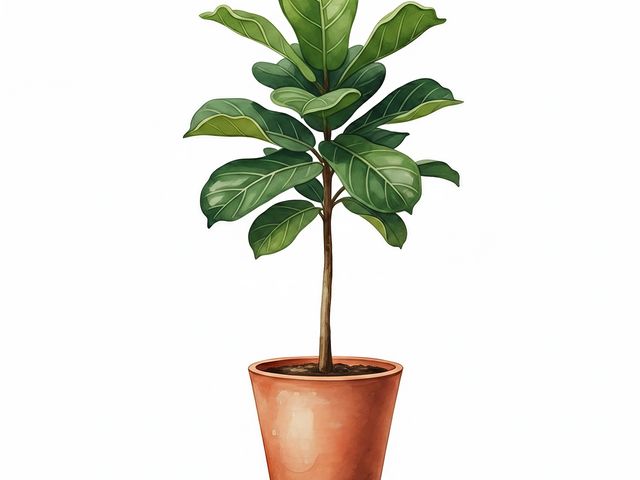
What's Happening
The ideal pot size increase balances root expansion space against soil moisture management. Oversized pots create 'perched water tables'—excess soil volume retains moisture for 2-3x longer than root systems can utilize, promoting anaerobic bacterial growth and root rot. Conversely, under-sizing restricts growth and increases watering frequency demands. The optimal increment provides 1-2 inches of additional diameter for most houseplants, equating to approximately 20-40% volume increase.
How to Fix It
- 1
1. Measure root ball diameter at widest point. Select new pot providing exactly 1-2 inches additional diameter (2-4 inches for large specimens >12 inch pots).
- 2
2. Calculate volume ratio: New pot soil capacity should not exceed 1.5x current pot volume. Example: 6-inch pot (approximately 1.4L volume) upgrades to 8-inch pot (approximately 2.8L volume)—a 2x increase that risks moisture retention issues.
- 3
3. Account for soil mix: When using moisture-retentive mixes (standard potting soil), reduce pot size increase to 1 inch. With chunky, fast-draining aroid mixes (50% bark/perlite), 2-inch increases are acceptable.
- 4
4. Maintain depth consistency: Pot depth should match root ball depth plus 1 inch maximum. Deep pots retain bottom moisture unreachable by roots—use shallow, wide pots for fibrous-rooted plants.
- 5
5. Repot in stages for severely rootbound plants: If roots completely fill current pot, upgrade to intermediate size (1 inch increase) rather than jumping 3+ sizes, allowing root system to colonize new soil gradually.
How to Prevent It
Select pots proportional to root ball size rather than plant canopy. Root ball should occupy 60-80% of final pot volume, leaving 20-40% for new growth. Use clear nursery pots for root monitoring without repotting disturbance.