Root Bound Detection on general houseplants
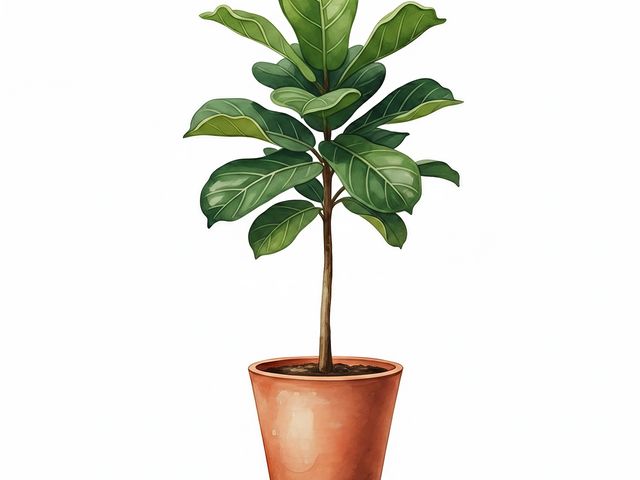
What's Happening
Root binding occurs when root systems circle pot interiors or form dense mats that displace soil. Bound roots develop 'root memory'—circling patterns that persist even after repotting, restricting outward expansion and creating girdling that constricts the root crown. Root bound conditions reduce water/nutrient uptake efficiency by 40-60%, triggering stress responses including stunted growth, leaf drop, and heightened transplant shock vulnerability.
How to Fix It
- 1
1. Visual inspection: Remove plant from pot. Healthy root systems show white/cream tips and radiate outward. Root bound systems display dense mats, circling patterns at pot bottom, or roots emerging from drainage holes.
- 2
2. The 'tug test': Gently pull plant from pot. If entire root ball lifts intact with soil clinging in pot-shaped cylinder, binding is advanced.
- 3
3. Loosening technique: Before repotting, gently massage root ball exterior to disrupt circling patterns. Use fingers to tease outer roots outward—not downward—encouraging horizontal expansion in new pot.
- 4
4. Root pruning (severe cases only): For roots circling >80% of pot with lignified (woody) texture, trim bottom 1-2 inches of bound roots with sterilized scissors to stimulate new outward growth. Never remove more than 25% of total root mass.
- 5
5. Post-teasing care: Water immediately after repotting to settle soil around loosened roots, eliminating air pockets that desiccate fine root hairs critical for water uptake.
How to Prevent It
Inspect roots annually. Early detection allows gentle root teasing—unraveling circling roots before they lignify (harden) into permanent patterns. Annual root inspection prevents the 3+ year accumulation that creates severe binding.