When To Repot on general houseplants
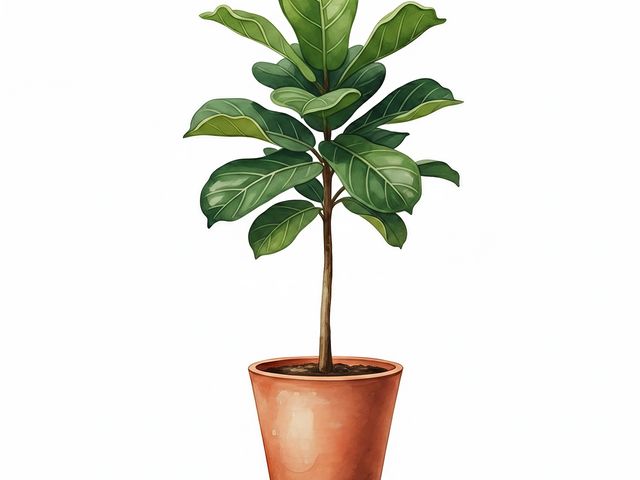
What's Happening
Plants require repotting when root systems exceed 80% of pot volume, reducing soil's water retention capacity and oxygen exchange. Five diagnostic signals indicate repotting necessity: (1) Roots emerging from drainage holes or circling the pot interior, (2) Water draining within seconds of pouring (indicating root mass dominance), (3) Visible stunting or slower growth despite adequate care, (4) Soil drying within 2-3 days of watering, and (5) Plant becoming top-heavy or unstable in its container. These symptoms develop progressively over 1-3 years depending on species growth rate.
How to Fix It
- 1
1. Perform the 'lift test': Gently remove plant from pot to visually assess root density. If roots form a solid mass with minimal visible soil, repotting is needed.
- 2
2. Check drainage speed: Pour water slowly onto soil surface. If water exits drainage holes within 5-10 seconds, roots have displaced soil volume.
- 3
3. Monitor growth velocity: Track new leaf emergence. Sudden growth stagnation despite proper light/water signals root congestion.
- 4
4. Assess soil dry-down: If topsoil requires watering every 2-3 days (versus normal 7-14 day cycle), roots have consumed available moisture retention capacity.
- 5
5. Time repotting seasonally: Schedule for spring or early summer when plants enter active growth phase and recover fastest from transplant stress.
How to Prevent It
Inspect root systems annually by gently removing plants from pots. Repot proactively before severe root binding occurs—typically every 1-2 years for fast-growing tropicals (pothos, monstera), 2-3 years for moderate growers (peace lily, ZZ plant), and 3-5+ years for slow-growing succulents (snake plant).