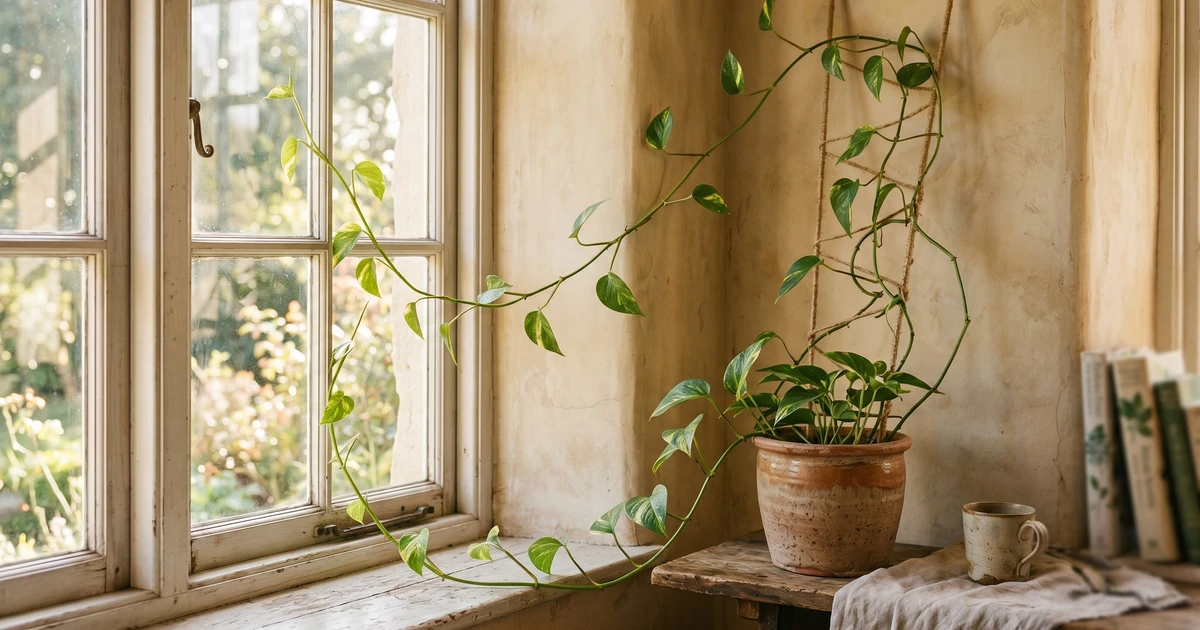
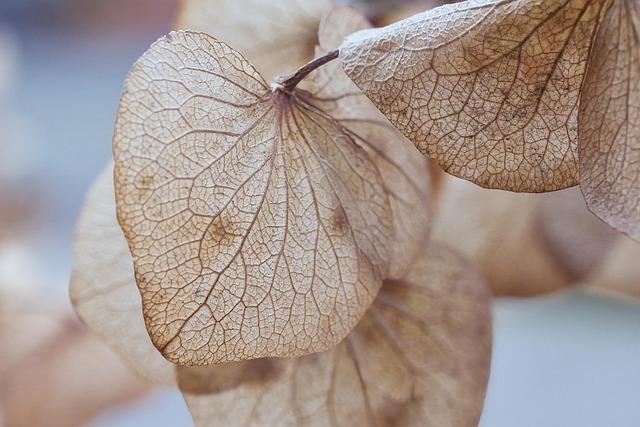
hydrangea
Evidence-based care guide for Hydrangea (). Covers disease treatment, symptom diagnosis, pest control, propagation methods and care. Our analysis draws from 10 verified community cases with an average confidence score of 91%. Each protocol is synthesized from real rescue outcomes, not generic advice.
Care Essentials
Get to Know Your Hydrangea
Keep an eye out for pests — regular leaf inspections catch problems early.
Light
medium to bright indirect
Most comfortable in medium to bright indirect light. Avoid prolonged direct sun exposure.
💡 Grow lights: Thrives under artificial grow lights (LED or fluorescent, 10-12 hours/day). A great option if your space lacks natural light.
Watering
every 7-10 days
Water when the top 1-2 inches of soil feel dry. Adjust with the seasons — less in winter, more in summer.
Humidity & Temperature
Appreciates some humidity but adapts to average home conditions. Brown tips in winter? Your air might be too dry — a light misting helps.
Sensitive to cold — keep above 55°F (13°C). Avoid placing near drafty windows or exterior doors in winter.
Soil
Standard well-draining potting mix works well. Add perlite for extra drainage if you tend to overwater.
Care Requirements
At a Glance
Care Profile in Development
While our detailed care profile is being compiled, you can find specific care guidance in the 0 care-related diagnoses below — including watering schedules, light requirements, and propagation methods from real-world cases.
Start Here
Most Common Problems
Based on 10 analyzed cases — these are the issues you're most likely to encounter
Don't see your symptom? Search all 9 topics below, or run the Diagnostic.
Hydrangea: Winter Protection
Macrophylla and Quercifolia hydrangeas set their flower buds in late summer for...
Hydrangea: Poor Rooting
Conventional peat and perlite substrates may lack the optimal aeration, pH, and...
What is the best soil mix for Hydrangea?
Flower color on macrophylla and serrata hydrangeas shifts due to soil pH...
Why is my Hydrangea wilting?
Hydrangeas have large, thin leaves that transpire moisture rapidly. In extreme...
Why does my Hydrangea have spider mites?
Spider mites thrive in low humidity and dry foliage conditions, rapidly...
Which of the 7 Killers
is threatening your plants?
We analyzed 1,616 documented plant deaths to identify the 7 causes behind 78% of all losses. Answer 5 questions — we'll tell you exactly which ones apply to your setup.
Skip the quiz — get The 7 Killers course ($19) →Question 1 of 5
How do you decide when to water your plants?
Question 2 of 5
Where do most of your plants live?
Question 3 of 5
What's your home environment like?
Question 4 of 5
Have you lost a plant in the last 6 months?
Question 5 of 5
How often do you check your plants for pests?
Your diagnosis is ready
We've identified your top 2 risk killers. Enter your email to see the full breakdown and your personalized rescue protocol.
Your plants are most at risk from:

The 7 Killers mini-course covers every one of these in depth — mechanism, rescue protocol, prevention. 1,616 cases. 7 lessons. $19.
Get The 7 Killers — $19 →Get the Plant Mortality Checklist
The 7 killers behind 78% of houseplant deaths — and the exact fix for each. Free PDF based on 1,616 documented cases.
Your checklist is ready!
We also sent it to your inbox. Check your email for the full download.
Open the ChecklistFree. No spam. Unsubscribe anytime.
Verified Data
All Diagnoses
9 topics consolidated from 10 documented cases. Expand any topic to see all protocols.
Symptoms (2 topics · 2 cases)
What disease does my Hydrangea have?
Fungal leaf spots (such as Cercospora or Corynespora cassiicola) thrive in humid, warm conditions when foliage remains wet for extended periods
90%
What disease does my Hydrangea have?
Fungal leaf spots (such as Cercospora or Corynespora cassiicola) thrive in humid, warm conditions when foliage remains wet for extended periods
Cause
Fungal leaf spots (such as Cercospora or Corynespora cassiicola) thrive in humid, warm conditions when foliage remains wet for extended periods. They typically start on lower leaves as small brown or purple spots and spread upward.
Solutions
- Remove and dispose of heavily infected leaves (do not compost them).
- Avoid overhead watering; always water at the base of the plant to keep leaves dry.
- Apply a copper-based fungicide or Neem oil early in the season to prevent the spread, though it will not cure already spotted leaves.
Prevention
Space plants adequately to ensure good air circulation. Clean up fallen leaves and debris around the base in late fall, as the fungus overwinters in dead plant material.
Why is my Hydrangea wilting?
Hydrangeas have large, thin leaves that transpire moisture rapidly
95%
Why is my Hydrangea wilting?
Hydrangeas have large, thin leaves that transpire moisture rapidly
Cause
Hydrangeas have large, thin leaves that transpire moisture rapidly. In extreme summer heat or direct afternoon sun, they lose water through their leaves faster than their roots can pull it from the soil, causing temporary drooping even if the soil is adequately moist.
Solutions
- Check the soil moisture before watering. If the soil is still wet, DO NOT water. Overwatering in response to heat wilt leads to root rot.
- Wait until evening to see if the plant perks back up on its own once temperatures drop.
- If the soil is actually dry, provide a deep, slow soaking at the base of the plant (avoiding the leaves).
Prevention
Plant hydrangeas in locations with morning sun and afternoon shade. Apply a 2-3 inch layer of organic mulch around the base to keep roots cool and retain soil moisture.
Diseases (1 topics · 2 cases)
Hydrangea: Winter Protection
Macrophylla and Quercifolia hydrangeas set their flower buds in late summer for the following year
2 protocols
80–95%
Hydrangea: Winter Protection
Macrophylla and Quercifolia hydrangeas set their flower buds in late summer for the following year
Protocol 1: winter protection · 95% confidence
Cause
Macrophylla and Quercifolia hydrangeas set their flower buds in late summer for the following year. Severe winter freezes or late spring frosts can kill these tender buds, resulting in a plant that grows lush green leaves but produces zero flowers.
Solutions
- Wait to prune off dead-looking wood until late spring; what looks dead often contains viable buds.
- If a late spring frost is forecasted after plants break dormancy, cover the entire bush with frost cloth, blankets, or burlap overnight (remove during the day).
Prevention
In cold climates (Zone 6 and below), wrap the shrub in burlap and fill the enclosure with dry oak leaves or straw in late fall to insulate the stems. Alternatively, plant 'remontant' (reblooming) varieties like Endless Summer that bloom on both old and new wood, ensuring flowers even if old buds freeze.
Protocol 2: winter protection · 80% confidence
Cause
Exposure to severe winter frosts can kill the above-ground canes and dormant flower buds on old-wood blooming hydrangeas, even if the roots survive.
Solutions
- Assess canes in spring for live green tissue; do not prune until new growth confirms which wood is dead.
- If canes are dead, prune them to the ground; the frost-tolerant root system will push new growth, though it may not bloom that year.
Prevention
Apply a thick layer of mulch (leaves, straw, or pine bark) over the crown in late fall. For harsh climates, wrap the shrub with burlap.
Pests (1 topics · 1 cases)
Why does my Hydrangea have spider mites?
Spider mites thrive in low humidity and dry foliage conditions, rapidly reproducing and causing stippling or webbing on leaves
90%
Why does my Hydrangea have spider mites?
Spider mites thrive in low humidity and dry foliage conditions, rapidly reproducing and causing stippling or webbing on leaves
Cause
Spider mites thrive in low humidity and dry foliage conditions, rapidly reproducing and causing stippling or webbing on leaves.
Solutions
- Quarantine the plant outdoors or away from others.
- Hose off all leaves and the plant thoroughly multiple times to dislodge mites.
- Apply neem oil spray comprehensively, soaking leaves, stems, and top soil layer, repeating over several days.
Prevention
Increase ambient humidity around plants to 50-60%. Implement weekly foliar showers to deter recurrence.
Other Topics (5 topics · 5 cases)
Why is my Hydrangea losing its variegation?
Severe pest damage (like spider mite stippling) or transient environmental shock can create mottled patterns that look like new variegation
90%
Why is my Hydrangea losing its variegation?
Severe pest damage (like spider mite stippling) or transient environmental shock can create mottled patterns that look like new variegation
Cause
Severe pest damage (like spider mite stippling) or transient environmental shock can create mottled patterns that look like new variegation.
Solutions
- Inspect branches closely with a loupe for webbing, pests, or necrosis.
- Treat with insecticidal soap or neem oil if pests are confirmed, rather than treating it as a rare mutation.
Prevention
Maintain regular pest scouting and ensure consistent humidity to differentiate true mutations from damage.
Why isn't my Hydrangea flowering?
Pruning at the wrong time (especially on macrophylla varieties that bloom on old wood) removes the flower buds set the previous year
90%
Why isn't my Hydrangea flowering?
Pruning at the wrong time (especially on macrophylla varieties that bloom on old wood) removes the flower buds set the previous year
Cause
Pruning at the wrong time (especially on macrophylla varieties that bloom on old wood) removes the flower buds set the previous year. Winter kill or severe dieback can also destroy old wood buds.
Solutions
- Identify if your variety blooms on old wood (Macrophylla, Quercifolia) or new wood (Paniculata, Arborescens).
- For old wood bloomers, only prune immediately after flowering in summer.
- For new wood bloomers, prune in late winter or early spring before new growth begins.
- Leave winter-killed stems until late spring to ensure they are truly dead before cutting.
Prevention
Avoid late summer or fall pruning on old wood varieties. Use winter protection (burlap or mulch) in cold zones to protect next year's buds.
Hydrangea: Poor Rooting
Conventional peat and perlite substrates may lack the optimal aeration, pH, and electrical conductivity for rapid hydrangea cutting development
95%
Hydrangea: Poor Rooting
Conventional peat and perlite substrates may lack the optimal aeration, pH, and electrical conductivity for rapid hydrangea cutting development
Cause
Conventional peat and perlite substrates may lack the optimal aeration, pH, and electrical conductivity for rapid hydrangea cutting development.
Solutions
- Incorporate 20% steel slag into the propagation mix.
- This significantly improves root length, root surface area, and overall survival rate of cuttings.
Prevention
Ensure propagation substrates have high aeration porosity to prevent rot in high-humidity cutting environments.
What is the best soil mix for Hydrangea?
Flower color on macrophylla and serrata hydrangeas shifts due to soil pH dictating aluminum availability
95%
What is the best soil mix for Hydrangea?
Flower color on macrophylla and serrata hydrangeas shifts due to soil pH dictating aluminum availability
Cause
Flower color on macrophylla and serrata hydrangeas shifts due to soil pH dictating aluminum availability. Acidic soil (pH < 6.0) makes aluminum accessible, causing blue blooms. Alkaline soil (pH > 6.0) restricts aluminum, causing pink blooms. Hard water can also increase pH over time, turning blue hydrangeas pink.
Solutions
- To turn pink flowers blue, lower pH by adding soil acidifier (elemental sulfur or aluminum sulfate) starting in late winter.
- To turn blue flowers pink, raise pH by applying garden lime (calcium carbonate) to the soil.
- Check the baseline soil pH before amending to avoid toxic buildup of salts or excessive acidity.
Prevention
Amend the soil consistently every season and avoid watering blue hydrangeas with hard tap water or water runoff from new concrete (which leaches lime).
Hydrangea: Somatic Mutations Chimeras
Hydrangeas can spontaneously develop variegated branches (sports) due to somatic mutations (chimeras) in the L1/L2 cell layers
90%
Hydrangea: Somatic Mutations Chimeras
Hydrangeas can spontaneously develop variegated branches (sports) due to somatic mutations (chimeras) in the L1/L2 cell layers
Cause
Hydrangeas can spontaneously develop variegated branches (sports) due to somatic mutations (chimeras) in the L1/L2 cell layers.
Solutions
- Isolate and monitor the branch. If stable for 4-6 weeks, propagate via softwood cuttings to preserve the mutation.
- Provide bright indirect light and balanced fertilizer to encourage the sport's development.
Prevention
Avoid confusing stable sports with temporary stress-induced bleaching from shipping shock.
Common Questions
Frequently Asked Questions
Why does my hydrangea have Winter protection?
Cause: Macrophylla and Quercifolia hydrangeas set their flower buds in late summer for the following year. Severe winter freezes or late spring frosts can kill these tender buds, resulting in a plant that grows lush green leaves but produces zero flowers.
Solution: Wait to prune off dead-looking wood until late spring; what looks dead often contains viable buds.
Prevention: In cold climates (Zone 6 and below), wrap the shrub in burlap and fill the enclosure with dry oak leaves or straw in late fall to insulate the stems. Alternatively, plant 'remontant' (reblooming) varieties like Endless Summer that bloom on both old and new wood, ensuring flowers even if old buds freeze.
95% confidence · View full protocol →
Why does my hydrangea have Poor rooting?
Cause: Conventional peat and perlite substrates may lack the optimal aeration, pH, and electrical conductivity for rapid hydrangea cutting development.
Solution: Incorporate 20% steel slag into the propagation mix.
Prevention: Ensure propagation substrates have high aeration porosity to prevent rot in high-humidity cutting environments.
95% confidence · View full protocol →
Why does my hydrangea have Soil ph dictating?
Cause: Flower color on macrophylla and serrata hydrangeas shifts due to soil pH dictating aluminum availability. Acidic soil (pH < 6.0) makes aluminum accessible, causing blue blooms. Alkaline soil (pH > 6.0) restricts aluminum, causing pink blooms. Hard water can also increase pH over time, turning blue hydrangeas pink.
Solution: To turn pink flowers blue, lower pH by adding soil acidifier (elemental sulfur or aluminum sulfate) starting in late winter.
Prevention: Amend the soil consistently every season and avoid watering blue hydrangeas with hard tap water or water runoff from new concrete (which leaches lime).
95% confidence · View full protocol →
Why does my hydrangea have Wilting in heat?
Cause: Hydrangeas have large, thin leaves that transpire moisture rapidly. In extreme summer heat or direct afternoon sun, they lose water through their leaves faster than their roots can pull it from the soil, causing temporary drooping even if the soil is adequately moist.
Solution: Check the soil moisture before watering. If the soil is still wet, DO NOT water. Overwatering in response to heat wilt leads to root rot.
Prevention: Plant hydrangeas in locations with morning sun and afternoon shade. Apply a 2-3 inch layer of organic mulch around the base to keep roots cool and retain soil moisture.
95% confidence · View full protocol →
Why does my hydrangea have Spider mites?
Cause: Spider mites thrive in low humidity and dry foliage conditions, rapidly reproducing and causing stippling or webbing on leaves.
Solution: Quarantine the plant outdoors or away from others.
Prevention: Increase ambient humidity around plants to 50-60%. Implement weekly foliar showers to deter recurrence.
90% confidence · View full protocol →
Common Questions
Frequently Asked About Hydrangea
What problems can Hydrangea get?
Our database contains 10 documented Hydrangea cases covering 9 distinct topics, including diseases, pest identification, environmental stress, propagation, and advanced care protocols — each with verified solutions.
Structured Learning
Ready to Go Deeper?
Explore our Mastery Packs for structured, video-based learning with step-by-step protocols from 20,000+ analyzed plant cases.
Browse All Courses →