
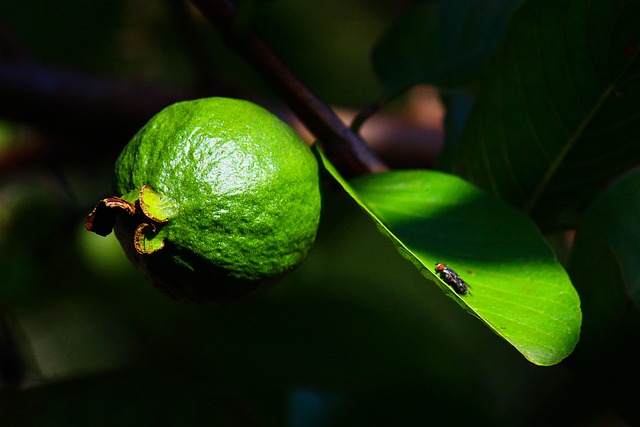
indoor lime
Citrus aurantiifolia
Evidence-based care guide for Indoor Lime (Citrus aurantiifolia). Covers symptom diagnosis. Our analysis draws from 4 verified community cases with an average confidence score of 49%. Each protocol is synthesized from real rescue outcomes, not generic advice.
Care Essentials
Get to Know Your Indoor Lime
The #1 killer? Overwatering. Let the soil dry between waterings and your Indoor Lime will thrive.
Light
medium to bright indirect
Most comfortable in medium to bright indirect light. Avoid prolonged direct sun exposure.
💡 Grow lights: Thrives under artificial grow lights (LED or fluorescent, 10-12 hours/day). A great option if your space lacks natural light.
Watering
every 10-14 days
Let the soil dry out significantly between waterings — this plant is very sensitive to overwatering. When in doubt, wait another day.
Humidity & Temperature
Not fussy about humidity. Handles average indoor conditions without issue.
Prefers moderate temperatures (60-80°F). Keep away from radiators and intense afternoon sun windows.
Soil
Standard well-draining potting mix works well. Add perlite for extra drainage if you tend to overwater.
Care Requirements
At a Glance
Care Profile in Development
While our detailed care profile is being compiled, you can find specific care guidance in the 0 care-related diagnoses below — including watering schedules, light requirements, and propagation methods from real-world cases.
Start Here
Most Common Problems
Based on 4 analyzed cases — these are the issues you're most likely to encounter
Don't see your symptom? Search all 3 topics below, or run the Diagnostic.
Why are my Indoor Lime leaves turning yellow?
Yellow spots or patches on lime leaves often result from oil-based sprays...
Indoor Lime: Root Stress
Lime trees in small plastic pots are susceptible to root zone overheating,...
Indoor Lime: Fruiting Stress
Allowing young or recently purchased lime trees to carry a full fruit load...
Which of the 7 Killers
is threatening your plants?
We analyzed 1,616 documented plant deaths to identify the 7 causes behind 78% of all losses. Answer 5 questions — we'll tell you exactly which ones apply to your setup.
Skip the quiz — get The 7 Killers course ($19) →Question 1 of 5
How do you decide when to water your plants?
Question 2 of 5
Where do most of your plants live?
Question 3 of 5
What's your home environment like?
Question 4 of 5
Have you lost a plant in the last 6 months?
Question 5 of 5
How often do you check your plants for pests?
Your diagnosis is ready
We've identified your top 2 risk killers. Enter your email to see the full breakdown and your personalized rescue protocol.
Your plants are most at risk from:

The 7 Killers mini-course covers every one of these in depth — mechanism, rescue protocol, prevention. 1,616 cases. 7 lessons. $19.
Get The 7 Killers — $19 →Get the Plant Mortality Checklist
The 7 killers behind 78% of houseplant deaths — and the exact fix for each. Free PDF based on 1,616 documented cases.
Your checklist is ready!
We also sent it to your inbox. Check your email for the full download.
Open the ChecklistFree. No spam. Unsubscribe anytime.
Verified Data
All Diagnoses
3 topics consolidated from 4 documented cases. Expand any topic to see all protocols.
Symptoms (1 topics · 2 cases)
Why are my Indoor Lime leaves turning yellow?
Yellow spots or patches on lime leaves often result from oil-based sprays (neem, horticultural oil) applied under intense sunlight or grow lights
2 protocols
39–69%
Why are my Indoor Lime leaves turning yellow?
Yellow spots or patches on lime leaves often result from oil-based sprays (neem, horticultural oil) applied under intense sunlight or grow lights
Protocol 1: yellow leaves · 69% confidence
Cause
Yellow spots or patches on lime leaves often result from oil-based sprays (neem, horticultural oil) applied under intense sunlight or grow lights. The oil droplets act as lenses, focusing light and causing photooxidative cell damage (lipid peroxidation). Citrus leaves have thin cuticles and are particularly sensitive.
Solutions
- Only apply oil-based treatments during low-light periods (dusk or in deep shade).
- Rinse foliage with plain water the following morning to remove excess oil residue.
- Isolate burned plants and relocate to indirect light temporarily to reduce metabolic stress.
- Prune heavily damaged leaves to prevent secondary fungal infections.
Prevention
Perform a patch test on a single leaf before spraying the entire tree. Dilute oil emulsions strictly to 1-2%. Ensure good airflow post-spraying to speed up drying.
Protocol 2: yellow leaves · 39% confidence
Cause
Lime trees are fussy in containers and highly sensitive to oversized pots. Excessive soil volume retains too much moisture, creating alkaline microsites and root anaerobiosis, which leads to the lockout of nitrogen, iron, and magnesium even if nutrients are present.
Solutions
- Select a pot only 1-2 inches larger than the current root ball; citrus prefer being slightly root-bound.
- Use a gritty, fast-draining substrate (50% inorganic like perlite or pumice).
- Flush soil thoroughly if mineral buildup is suspected from hard water.
- Apply chelated cal-mag supplements to bypass root uptake issues during recovery.
Prevention
Avoid the temptation to up-size pots based on top growth; only repot when roots are visibly circling. Use moisture meters to verify deep soil dryness before watering.
Other Topics (2 topics · 2 cases)
Indoor Lime: Fruiting Stress
Allowing young or recently purchased lime trees to carry a full fruit load siphons carbohydrates and nutrients (especially nitrogen) away from leaf production and root maintenance
45%
Indoor Lime: Fruiting Stress
Allowing young or recently purchased lime trees to carry a full fruit load siphons carbohydrates and nutrients (especially nitrogen) away from leaf production and root maintenance
Cause
Allowing young or recently purchased lime trees to carry a full fruit load siphons carbohydrates and nutrients (especially nitrogen) away from leaf production and root maintenance. This leads to systemic chlorosis (yellowing) and stunted vegetative growth, often observed in big-box store purchases.
Solutions
- Thin the fruit load by 70-80% on trees under 3 years old or those showing yellowing.
- Apply high-nitrogen liquid fertilizer every 2 weeks during the recovery phase.
- Supplement with chelated iron to support chlorophyll synthesis in stressed foliage.
- Ensure bright indirect light (2000-5000 lux) and 60%+ humidity to optimize photosynthesis.
Prevention
Remove all fruit buds for the first 1-2 years of a tree s life to prioritize structural and root development. Fertilize monthly during growth seasons.
Indoor Lime: Root Stress
Lime trees in small plastic pots are susceptible to root zone overheating, especially when placed in direct summer sun (balconies/patios)
45%
Indoor Lime: Root Stress
Lime trees in small plastic pots are susceptible to root zone overheating, especially when placed in direct summer sun (balconies/patios)
Cause
Lime trees in small plastic pots are susceptible to root zone overheating, especially when placed in direct summer sun (balconies/patios). Soil temperatures exceeding 85�F (29�C) cause cellular damage to roots, disrupting transpiration and leading to systemic yellowing that mimics overwatering but fails to respond to reduced hydration.
Solutions
- Insulate root zone by nesting plastic pots inside larger terra-cotta containers or using pot-in-pot setups with mulch/sand between.
- Apply reflective white mulch to soil surface to reduce solar heat gain.
- Relocate to partial shade during peak afternoon heat (>90�F ambient).
- Ensure pot size is adequate (>5 gallons for young trees) to provide larger soil volume for thermal buffering.
Prevention
Use breathable, thick-walled terra-cotta instead of thin plastic. Monitor soil temperature with probes. Acclimate gradually to high-heat outdoor environments.
Common Questions
Frequently Asked Questions
Why does my indoor lime have Yellow leaves?
Cause: Yellow spots or patches on lime leaves often result from oil-based sprays (neem, horticultural oil) applied under intense sunlight or grow lights. The oil droplets act as lenses, focusing light and causing photooxidative cell damage (lipid peroxidation). Citrus leaves have thin cuticles and are particularly sensitive.
Solution: Only apply oil-based treatments during low-light periods (dusk or in deep shade).
Prevention: Perform a patch test on a single leaf before spraying the entire tree. Dilute oil emulsions strictly to 1-2%. Ensure good airflow post-spraying to speed up drying.
69% confidence · View full protocol →
Why does my indoor lime have Root stress?
Cause: Lime trees in small plastic pots are susceptible to root zone overheating, especially when placed in direct summer sun (balconies/patios). Soil temperatures exceeding 85�F (29�C) cause cellular damage to roots, disrupting transpiration and leading to systemic yellowing that mimics overwatering but fails to respond to reduced hydration.
Solution: Insulate root zone by nesting plastic pots inside larger terra-cotta containers or using pot-in-pot setups with mulch/sand between.
Prevention: Use breathable, thick-walled terra-cotta instead of thin plastic. Monitor soil temperature with probes. Acclimate gradually to high-heat outdoor environments.
45% confidence · View full protocol →
Why does my indoor lime have Fruiting stress?
Cause: Allowing young or recently purchased lime trees to carry a full fruit load siphons carbohydrates and nutrients (especially nitrogen) away from leaf production and root maintenance. This leads to systemic chlorosis (yellowing) and stunted vegetative growth, often observed in big-box store purchases.
Solution: Thin the fruit load by 70-80% on trees under 3 years old or those showing yellowing.
Prevention: Remove all fruit buds for the first 1-2 years of a tree s life to prioritize structural and root development. Fertilize monthly during growth seasons.
45% confidence · View full protocol →
Common Questions
Frequently Asked About Indoor Lime
What problems can Indoor Lime get?
Our database contains 4 documented Indoor Lime cases covering 3 distinct topics, including diseases, pest identification, environmental stress, propagation, and advanced care protocols — each with verified solutions.
Structured Learning
Ready to Go Deeper?
Explore our Mastery Packs for structured, video-based learning with step-by-step protocols from 20,000+ analyzed plant cases.
Browse All Courses →