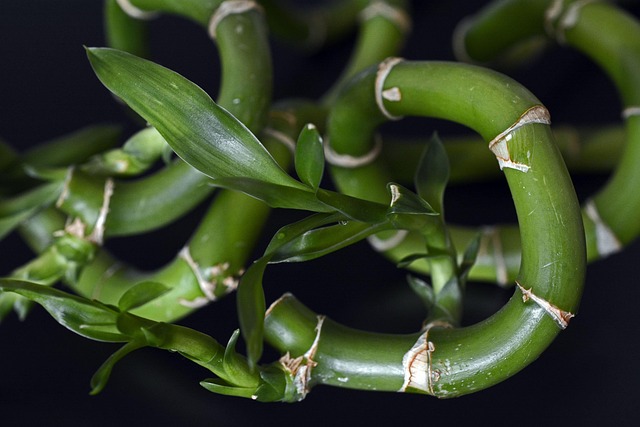
lucky bamboo
Dracaena sanderiana
Comprehensive care and diagnosis guide for the Lucky Bamboo. Based on 3 verified community insights.
Care Requirements
At a Glance
Detailed care profile is currently being compiled by the Plant Grail swarm.
Start Here
Most Common Problems
Based on 3 analyzed cases — these are the issues you're most likely to encounter
Why are my Lucky Bamboo leaves turning yellow?
Lucky Bamboo is sensitive to fluoride and chlorine in tap water. These...
Why do my Lucky Bamboo leaves have brown tips?
Brown tips result from low humidity (<40%), high heat accelerating evaporation,...
Why does my Lucky Bamboo have root rot?
Anaerobic conditions in stagnant water or cold temperatures (<60�F) trigger...
Verified Data
All Diagnoses
Complete analysis of 3 cases for this variety. Select an entry to expand rescue protocols.
Common Questions
Frequently Asked Questions
Why does my lucky bamboo have Yellow leaves?
Cause: Lucky Bamboo is sensitive to fluoride and chlorine in tap water. These chemicals build up in the stalk, causing irreversible yellowing and eventual death.
Solution: Switch immediately to distilled, rainwater, or filtered water.
Prevention: Exclusively use water with TDS <50 ppm. Avoid chemical fertilizers. Change water every 7 days.
94% confidence · View full protocol →
Why does my lucky bamboo have Brown tips?
Cause: Brown tips result from low humidity (<40%), high heat accelerating evaporation, or light scorch. It is a tropical plant that prefers moist air and indirect light.
Solution: Boost humidity using a pebble tray or humidifier.
Prevention: Maintain 50-70% humidity. Place in bright indirect light (1000-2500 lux). Avoid drafts.
90% confidence · View full protocol →
Why does my lucky bamboo have Root rot?
Cause: Anaerobic conditions in stagnant water or cold temperatures (<60�F) trigger rot. Signs include a foul odor, cloudy water, and mushy black roots.
Solution: Clean and sterilize the vase with a 1:10 bleach solution.
Prevention: Change water weekly. Maintain 65-80�F temperatures. Use wide containers for better oxygen exchange.
89% confidence · View full protocol →