Light Requirements on monstera deliciosa
What's Happening
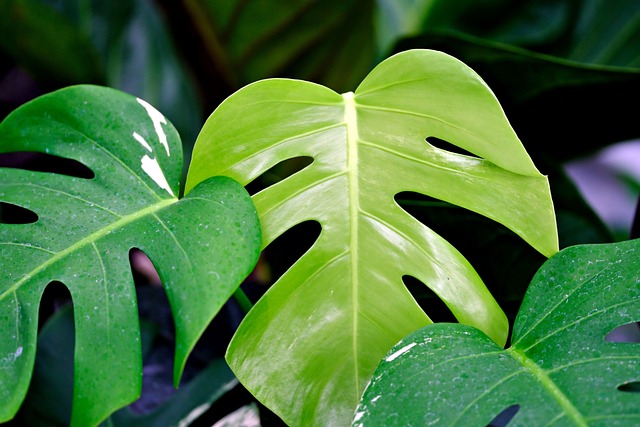
Monstera deliciosa exhibits shade-tolerant evergreen physiology with high non-photochemical quenching (NPQ) capacity to protect photosynthetic apparatus during light intensity changes. Inadequate light (<5000 lux) triggers etiolation—elongated stems, small leaves, and delayed or absent fenestration. The plant's giant grana structure with dozens of stacked thylakoids enables efficient light capture but requires consistent bright indirect light to trigger the morphological shift toward mature fenestrated foliage. Insufficient illumination reduces chlorophyll a/b ratio stability and suppresses cell proliferation at leaf margins where fenestrations form.
How to Fix It
- 1
Light assessment: Place light meter at plant level—target 5000-8000 lux for juvenile plants, 8000-12000 lux for mature fenestration development
- 2
Positioning: Place 3-5 feet from south or west-facing windows with sheer curtain diffusion; east windows acceptable without filtration
- 3
Supplementation: Install full-spectrum LED grow lights (3000-4000K) positioned 12-18 inches above canopy for 12-14 hours daily during winter months
- 4
Gradual acclimation: When increasing light exposure, transition over 7-10 days to prevent photobleaching of chloroplasts
- 5
Monitor response: New leaves should emerge larger with increasing fenestration count; leggy growth indicates insufficient light requiring immediate repositioning
How to Prevent It
Maintain consistent bright indirect light year-round. Rotate plant 90° weekly for even exposure. Group plants to create humidity microclimates that reduce transpiration stress under optimal lighting. Clean leaves monthly to maximize photosynthetic surface area—dust accumulation can reduce light absorption by 15-20%.
Related Problems
Same Problem on Other Plants
Go Deeper
This is covered in-depth in the monstera deliciosa Mastery Pack — structured modules with video walkthroughs, advanced protocols, and rescue timelines.
Get the Mastery Pack — $37 →