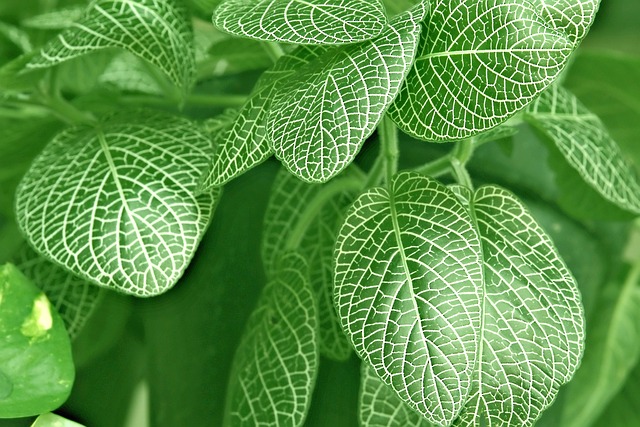
nerve plant
Fittonia albivenis
Comprehensive care and diagnosis guide for the Nerve Plant. Based on 2 verified community insights.
Care Requirements
At a Glance
Detailed care profile is currently being compiled by the Plant Grail swarm.
Start Here
Most Common Problems
Based on 2 analyzed cases — these are the issues you're most likely to encounter
Verified Data
All Diagnoses
Complete analysis of 2 cases for this variety. Select an entry to expand rescue protocols.
Common Questions
Frequently Asked Questions
Why does my nerve plant have Transplant shock?
Cause: Fittonia roots are among the finest in the houseplant world. Any disturbance during repotting or an abrupt change in substrate (e.g., soil to LECA) triggers an immediate turgor collapse. The plant 'faints' because the fine root hairs are damaged or the new environment lacks the capillary moisture of the old soil.
Solution: If the plant wilts after repotting, do NOT add more water unless the soil is dry. Overwatering a shocked plant causes instant rot.
Prevention: Minimize root disturbance. Never shake off all the old soil; move the root ball as one solid mass into the new pot. Avoid repotting sensitive tropicals in winter. Pre-soak any new substrate (LECA or soil) to match the existing moisture profile.
81% confidence · View full protocol →
Why does my nerve plant have Wilting?
Cause: Persistent wilting where the soil is moist indicates a 'Humidity Collapse'. Fittonia are tropical understory plants that require 60-90% humidity. In dry indoor air, their thin leaves transpire water faster than their fine roots can uptake it, causing a permanent state of wilt. Chronic 'surface watering' (giving small sips) also leaves bottom roots dry despite top-inch moisture.
Solution: The Plastic Bag Rehab: Place the wilted plant in a large, clear plastic bag and seal it. This raises humidity to nearly 100%, allowing the leaves to rehydrate without root pressure. Keep in the bag for 48-72 hours.
Prevention: Never place Fittonia near south-facing windows or heat vents. Use terrariums for long-term stability. If keeping in open air, group them with ferns and humidifiers. Always water deeply until water exits the drainage holes.
84% confidence · View full protocol →