Common Problems on parlor palm
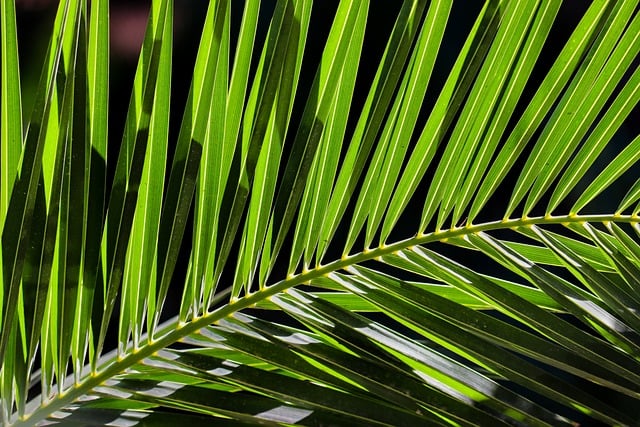
What's Happening
The two dominant parlor palm issues are interconnected: brown/crispy leaf tips from low humidity or fluoride toxicity, and root rot from overwatering. Low humidity (<40% RH) causes marginal dehydration and tip necrosis. Fluoride and chlorine in tap water accumulate in leaf tissue over time, causing delayed tip burn visible weeks after exposure. Root rot from anaerobic soil conditions blocks vascular transport, causing yellowing fronds and floppy stems.
How to Fix It
- 1
For brown tips: Switch to distilled/rainwater immediately; trim affected tips with clean scissors at an angle to mimic natural leaf shape
- 2
For crispy edges: Increase humidity to 50-60% via humidifier or pebble tray—mist daily for quick relief
- 3
For suspected root rot: Unpot plant, inspect roots—healthy roots are white/firm, rotting roots are brown/mushy/black
- 4
Treat rot: Trim all affected roots with sterile shears, repot in fresh well-draining mix, reduce watering frequency
- 5
Prevention: Use filtered water, maintain humidity above 50%, and ensure drainage holes in pot—never let plant sit in water
How to Prevent It
Water quality is critical—parlor palms are fluoride-sensitive. Allow tap water to sit 24 hours before use, or use filtered/distilled water exclusively. Combine with adequate humidity to prevent both tip burn and desiccation stress.