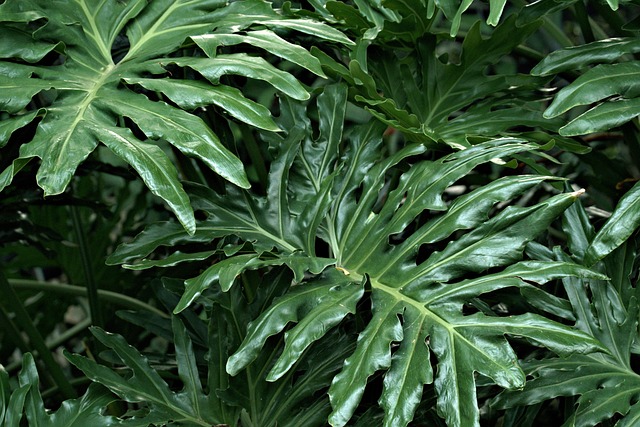
philodendron gloriosum
Philodendron gloriosum
Comprehensive care and diagnosis guide for the Philodendron Gloriosum. Based on 4 verified community insights.
Care Requirements
At a Glance
Detailed care profile is currently being compiled by the Plant Grail swarm.
Go Deeper
Philodendron Rare Guide Pack
The complete protocol: advanced care, seasonal calendars, and rescue modules. Everything on this page, plus video walkthroughs.
Start Here
Most Common Problems
Based on 4 analyzed cases — these are the issues you're most likely to encounter
Why are my Philodendron Gloriosum leaves turning yellow?
Philodendron gloriosum develops yellow leaves after relocation or repotting due...
What are these brown spots on my Philodendron Gloriosum?
Philodendron gloriosum naturally produces extrafloral nectaries (EFTs) - small...
Why does my Philodendron Gloriosum have creeping rhizome care?
Philodendron gloriosum is a creeping aroid that grows horizontally via...
Why does my Philodendron Gloriosum have gloriosum care?
Philodendron gloriosum is a terrestrial (creeping/crawling) species native to...
Verified Data
All Diagnoses
Complete analysis of 4 cases for this variety. Select an entry to expand rescue protocols.
Common Questions
Frequently Asked Questions
Why does my philodendron gloriosum have Yellow leaves from transplant shock?
Cause: Philodendron gloriosum develops yellow leaves after relocation or repotting due to transplant shock affecting its rhizomatous growth habit. Unlike vining philodendrons, gloriosum creeps horizontally via underground rhizomes and prioritizes new growth over old leaf maintenance during stress. Yellowing typically affects the oldest leaves first while new growth (cataphyll/growth tip) remains healthy - a key diagnostic differentiator from root rot where new growth also shows distress.
Solution: Inspect growth tip condition: healthy tips appear smooth and firm; curling, mushy, or puckered tips indicate root rot requiring immediate intervention
Prevention: Acclimate new plants gradually over 2 weeks by maintaining nursery-level humidity (80%+) initially; avoid repotting for 6-8 weeks post-purchase; position in stable microclimate away from drafts; monitor growth tip weekly as primary health indicator for rhizomatous aroids.
88% confidence · View full protocol →
Why does my philodendron gloriosum have Brown spots from extrafloral nectaries?
Cause: Philodendron gloriosum naturally produces extrafloral nectaries (EFTs) - small glands on leaf surfaces that exude sugary secretions. These appear as brown spots with clear or amber ooze and are often mistaken for bacterial infection, pest damage, or disease. EFTs serve an evolutionary purpose for ant attraction in the plant's native habitat. Unlike bacterial spots which spread rapidly with yellow halos or fungal spots which have defined margins and fuzzy growth, EFTs remain stable in size and location without spreading to other leaves.
Solution: Inspect spots under 10x magnification: EFTs appear as distinct glandular structures without webbing, frass, or insect presence
Prevention: Acclimate new plants in quarantine for 2-4 weeks to learn species-specific normal features; research plant-specific traits before purchase; maintain 60-80% humidity and bright indirect light to minimize stress that confuses symptom interpretation.
89% confidence · View full protocol →
Why does my philodendron gloriosum have Creeping rhizome care?
Cause: Philodendron gloriosum is a creeping aroid that grows horizontally via underground rhizomes, unlike climbing philodendrons. When potted in standard upright containers, the rhizome becomes constrained, causing stress that manifests as slowed growth, smaller leaves, and yellowing. The plant's growth habit requires space to creep horizontally - traditional pot shapes force the rhizome to curl or compress, restricting nutrient flow and causing root-bound stress even when pot volume seems adequate.
Solution: Repot into wide, shallow containers (bonsai pots or bulb pans work excellently)
Prevention: Select shallow, wide containers from initial planting; position the rhizome horizontally at soil surface level; repot every 12-18 months into progressively wider pots; use well-draining chunky aroid mix to support root health along extended rhizome.
87% confidence · View full protocol →
Why does my philodendron gloriosum have Gloriosum care?
Cause: Philodendron gloriosum is a terrestrial (creeping/crawling) species native to Colombia, not a climber. It produces large heart-shaped velvety leaves with prominent white veins from a creeping rhizome that grows horizontally along the soil surface. Unlike climbing philodendrons, it does not produce climbing aerial roots and will not climb supports. The species requires high humidity (70-80%) and is sensitive to transplant shock, often dropping older leaves when moved or repotted.
Solution: Use wide shallow containers—rhizome creeps horizontally, not vertically
Prevention: Use wide shallow pots to accommodate horizontal rhizome growth; maintain 70-80% humidity via humidifier or pebble trays; avoid repotting unless necessary; use chunky well-draining mix; provide bright indirect light without direct sun exposure.
86% confidence · View full protocol →