Brown Spots (Extrafloral Nectaries) on philodendron
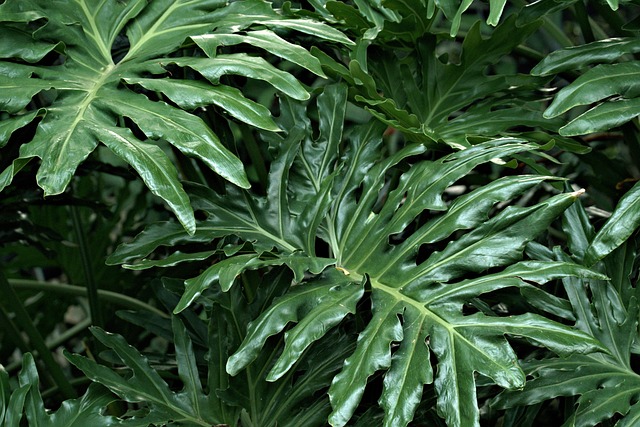
What's Happening
Philodendrons produce sugary sap from glands called extrafloral nectaries (EFNs) to attract ants for protection. Indoors, without ants to clean the sap, it dries and causes localized chemical burns on leaf undersides, appearing as small brown or translucent spots. This is a physiological response to stress, not an infection.
How to Fix It
- 1
Gently wipe leaf undersides weekly with a damp microfiber cloth to remove sap before it burns the tissue.
- 2
Assess for environmental stress: low humidity (<50%) and inconsistent lighting can trigger excessive sap production.
- 3
Do not treat with fungicides as these spots are not pathogenic.
How to Prevent It
Maintain stable high humidity (60-80%) and bright indirect light. Incorporate underside wiping into your weekly maintenance routine, especially for varieties like 'Ring of Fire', 'Birkin', and 'Congo Rojo'.
Related Problems
Go Deeper
This is covered in-depth in the philodendron Mastery Pack — structured modules with video walkthroughs, advanced protocols, and rescue timelines.
Get the Mastery Pack — $37 →