Cold Damage on philodendron
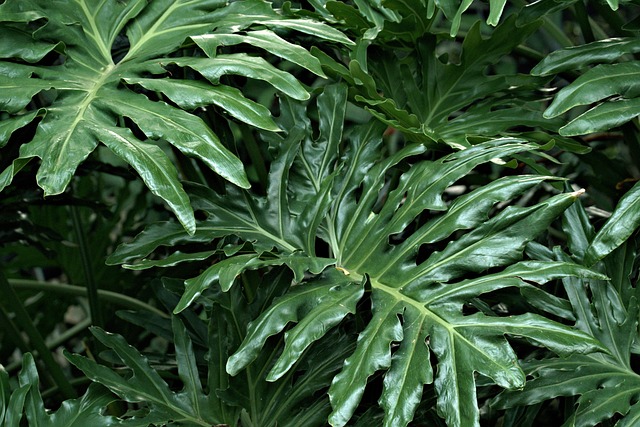
What's Happening
Exposure to temperatures below 50°F (10°C) causes ice crystal formation in plant cells, leading to membrane rupture and tissue damage. Tropical Philodendrons have no frost tolerance. Symptoms include blackened, mushy leaves and wilting.
How to Fix It
- 1
Bring plant indoors immediately if temperature drops below 50°F
- 2
Trim away blackened, mushy tissue with sterile shears
- 3
Position in bright indirect light to support photosynthesis for repair
- 4
Maintain normal watering - do not overwater out of guilt
- 5
Keep all green leaves intact - plant will naturally shed damaged tissue
- 6
Apply dilute organic fertilizer (fish emulsion/seaweed) to support regrowth
How to Prevent It
Monitor weather forecasts; bring plants indoors before first frost; maintain indoor temperatures 65-80°F; avoid placing near cold windows or drafts during winter
Related Problems
Same Problem on Other Plants
Go Deeper
This is covered in-depth in the philodendron Mastery Pack — structured modules with video walkthroughs, advanced protocols, and rescue timelines.
Get the Mastery Pack — $37 →