Environmental Stress Cellular on philodendron
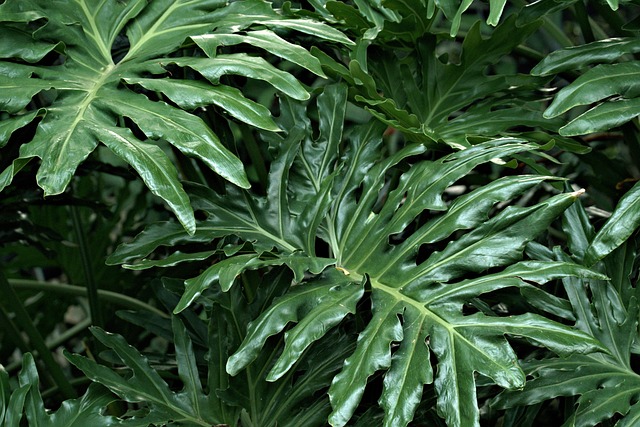
What's Happening
Philodendron species contain high concentrations of phenolic compounds, terpenoids, and flavonoids that function as natural antioxidants. Scientific analysis of Philodendron heleniae extracts shows strong free radical scavenging capacity comparable to standard Trolox. These antioxidant properties support cellular stress response and may contribute to the plant's resilience in varying indoor conditions.
How to Fix It
- 1
Provide bright indirect light to support photosynthetic efficiency
- 2
Maintain consistent watering - avoid both drought and waterlogging stress
- 3
Ensure adequate humidity (50-70%) to reduce transpiration stress
- 4
Fertilize with balanced NPK during growing season to support metabolic health
- 5
Avoid temperature fluctuations below 60°F which stress cellular systems
How to Prevent It
Maintain consistent care to minimize oxidative stress. Provide stable temperatures between 65-80°F and adequate light to support the plant's natural antioxidant systems.
Related Problems
Go Deeper
This is covered in-depth in the philodendron Mastery Pack — structured modules with video walkthroughs, advanced protocols, and rescue timelines.
Get the Mastery Pack — $37 →