Fertilizer Schedule Optimization on philodendron
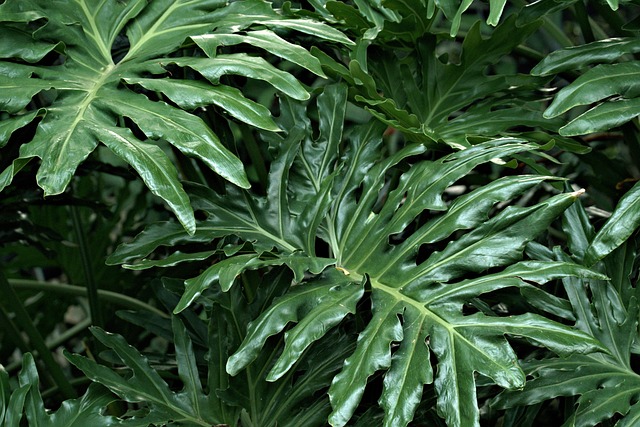
What's Happening
Philodendron growth cycles follow seasonal patterns tied to light and temperature. Applying consistent year-round fertilizer creates two problems: under-fertilization during peak growing season (spring-early summer) when plants need maximum nutrients for new leaf production, and over-fertilization during winter dormancy when metabolic rates drop 60-70% and excess salts accumulate causing root damage. Most houseplant failures stem from rigid calendar-based fertilization rather than responsive plant-driven feeding.
How to Fix It
- 1
1. Spring (March-May): Apply balanced NPK 20-20-20 at 1/4 strength every 2 weeks as growth accelerates
- 2
2. Summer (June-August): Continue bi-weekly feeding at 1/4 strength; increase to weekly if plant shows active new growth every 7-10 days
- 3
3. Fall (September-November): Reduce to monthly feeding at 1/8 strength as growth naturally slows
- 4
4. Winter (December-February): Cease fertilization entirely or apply at 1/8 strength once mid-season if plant shows continued growth under grow lights
- 5
5. Always water soil lightly before fertilizing - never apply to completely dry soil
How to Prevent It
Observe plant growth rate as primary fertilization trigger - increase feeding frequency when new leaves emerge rapidly, decrease when growth stalls; use half-strength dilutions when uncertain; leach soil quarterly to prevent salt accumulation; supplement with organic compost tea monthly for micronutrient diversity.
Related Problems
Go Deeper
This is covered in-depth in the philodendron Mastery Pack — structured modules with video walkthroughs, advanced protocols, and rescue timelines.
Get the Mastery Pack — $37 →