Fungal Infection on philodendron
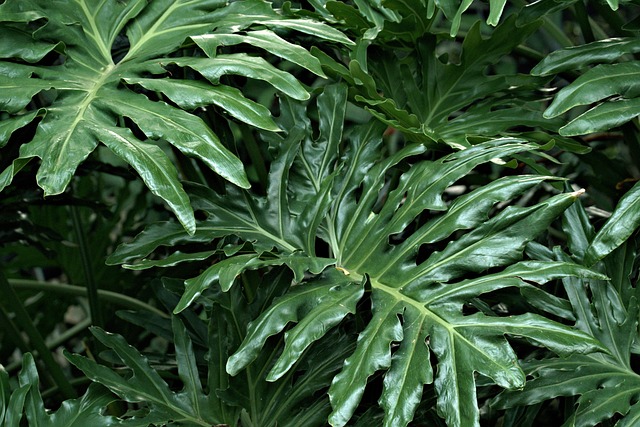
What's Happening
Fungal infections (Pythium, Phytophthora, Botrytis) thrive in wet, humid conditions with poor airflow. Appear as fuzzy growth, spots, or rot on leaves and stems. Common after overwatering, misting, or high humidity without ventilation.
How to Fix It
- 1
Isolate affected plant immediately
- 2
Remove infected leaves/stems with sterile scissors
- 3
Apply copper-based fungicide or neem oil treatment
- 4
Improve air circulation with fan to reduce humidity around leaves
- 5
Allow soil to dry between waterings
- 6
For severe cases: repot in fresh sterile mix after treating roots
How to Prevent It
Water at soil level avoiding foliage; maintain 40-60% humidity with good airflow; avoid overcrowding plants; quarantine new plants; ensure pots have drainage; allow soil to dry appropriately
Related Problems
Same Problem on Other Plants
Go Deeper
This is covered in-depth in the philodendron Mastery Pack — structured modules with video walkthroughs, advanced protocols, and rescue timelines.
Get the Mastery Pack — $37 →