Leaf Scarring on philodendron
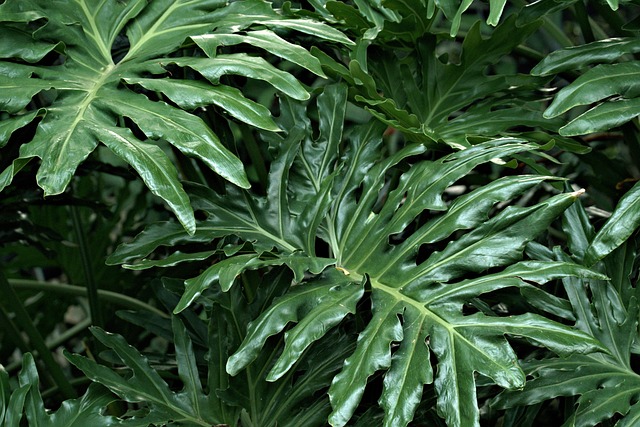
What's Happening
Physical leaf scarring on Philodendron results from mechanical trauma during handling, transport, or placement in high-traffic areas. Aroid leaves contain resilient photosynthetic tissue that continues functioning despite cosmetic tears or bruises; green tissue sustains chlorophyll production and energy generation even when aesthetically compromised.
How to Fix It
- 1
Leave damaged leaf intact to allow natural nutrient reabsorption from senescing tissue
- 2
Monitor for 2-4 weeks for progressive die-back (yellowing/browning spreading from wound)
- 3
Remove only after complete senescence or for cosmetic reasons using clean sterilized shears
- 4
Ensure stable environment during recovery: bright indirect light, consistent moisture (not wet), 60-80% humidity
- 5
Philodendron's phloem enables nutrient translocation from damaged leaves; premature removal wastes resources
How to Prevent It
Position plants in low-traffic areas away from walkways and pets; use protective barriers during handling and transport; educate on gentle manipulation; quarantine new plants to assess existing damage before integration into collection.
Related Problems
Same Problem on Other Plants
Go Deeper
This is covered in-depth in the philodendron Mastery Pack — structured modules with video walkthroughs, advanced protocols, and rescue timelines.
Get the Mastery Pack — $37 →