No New Growth (Malnourishment) on philodendron
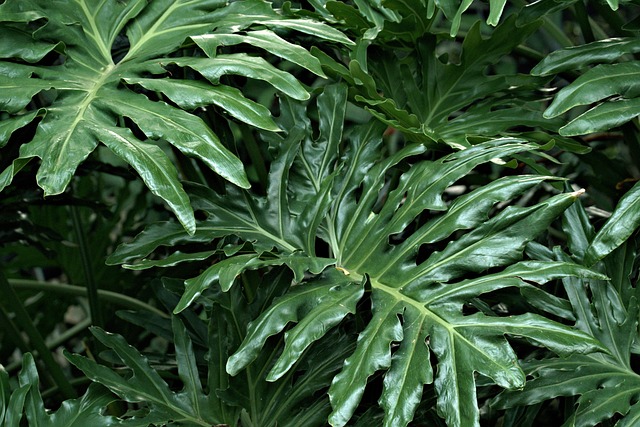
What's Happening
Philodendrons grown in LECA or water alone (semi-hydroponics) without specific hydroponic fertilizers suffer from micronutrient lockout. Unlike soil, inert media lacks cation exchange capacity and natural mineral release, leading to stunted, malformed, or stalled new growth.
How to Fix It
- 1
Transition the plant to a well-draining aroid soil mix or blend 50/50 LECA-soil for nutrient access.
- 2
If staying in LECA, use a complete hydroponic nutrient solution (e.g., TPS One or General Hydroponics) with every watering.
- 3
Ensure the water pH is between 5.5 and 6.5 to maximize nutrient availability in hydro setups.
How to Prevent It
Match fertilization regimen strictly to the growing medium. Soil provides a buffer; hydro requires precise, consistent input.
Related Problems
Go Deeper
This is covered in-depth in the philodendron Mastery Pack — structured modules with video walkthroughs, advanced protocols, and rescue timelines.
Get the Mastery Pack — $37 →