Propagation on philodendron
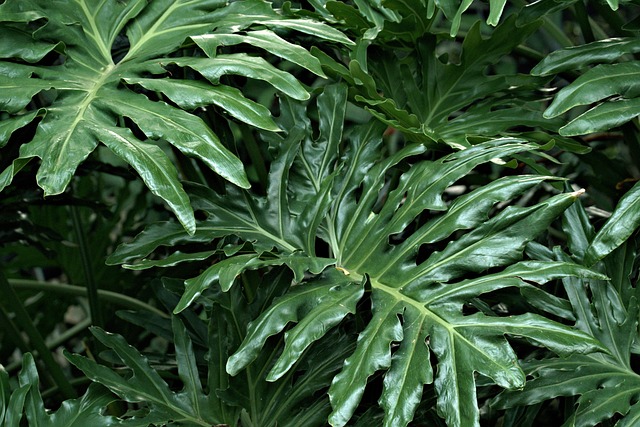
What's Happening
Philodendrons propagate via adventitious root formation from stem nodes, but success depends on node health and environmental conditions. Cuttings taken without visible aerial roots often struggle to establish, while those with aerial roots show 80%+ success rates. Water propagation risks bacterial rot if not changed regularly, while soil propagation requires higher humidity to prevent desiccation.
How to Fix It
- 1
Select healthy vine with 3-4 nodes and at least 1 aerial root
- 2
Cut below node with sterilized blade; ensure cutting has 2-3 leaves
- 3
Remove bottom leaves to expose 1-2 nodes for root formation
- 4
Water propagation: Submerge nodes in dechlorinated water, change every 3-5 days
- 5
Soil propagation: Plant in moist sphagnum moss or perlite; cover with humidity dome
- 6
Transition timing: Move to soil when roots reach 2 inches; maintain high humidity for 2 weeks
- 7
Moss pole rooting: Wrap aerial roots in damp sphagnum against pole for direct attachment
How to Prevent It
Propagate during active growing season (spring-early summer) when plant vigor is highest. Maintain 70-80% humidity during rooting phase. Never propagate from stressed or recently repotted plants.
Related Problems
Same Problem on Other Plants
Go Deeper
This is covered in-depth in the philodendron Mastery Pack — structured modules with video walkthroughs, advanced protocols, and rescue timelines.
Get the Mastery Pack — $37 →