Underwatering Dehydration on philodendron
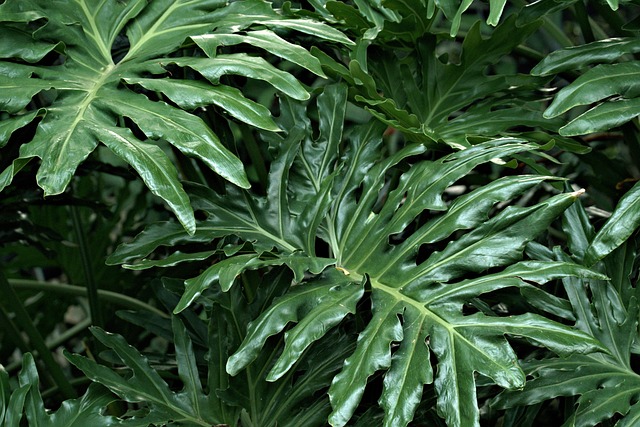
What's Happening
Underwatering in Philodendron occurs when soil moisture drops below 20% field capacity for extended periods, causing guard cells to close stomata and halt photosynthesis. Tropical aroids evolved in consistent 60-80% humidity with reliable rainfall; indoor heating and air conditioning reduce ambient moisture, forcing plants to sacrifice peripheral leaf tissue. Crispy brown edges result from cellular desiccation at leaf margins—the terminal points of vascular transport where water delivery is weakest. Unlike overwatering (which causes soft, yellow leaves), underwatering produces dry, papery edges and upward leaf curling.
How to Fix It
- 1
Check soil moisture: Insert finger 2-3 inches deep—bone-dry soil with crispy edges confirms underwatering
- 2
Water thoroughly until 20% exits drainage holes; ensure complete soil saturation to rehydrate root ball
- 3
Increase humidity immediately: deploy humidifier, use pebble trays, or group plants to create 60-80% microclimate
- 4
Trim severely crispy edges with sterilized scissors for aesthetics (optional; healthy green tissue continues functioning)
- 5
Establish consistent schedule: water when top 2 inches dry; typically every 7-10 days in average indoor conditions
- 6
Monitor new growth: crispy edges on emerging leaves indicate persistent underwatering requiring schedule adjustment
What You'll Need
How to Prevent It
Water when top 2 inches of soil are dry; maintain 60-80% humidity via humidifiers or plant grouping; use well-draining aroid mix to prevent waterlogging while ensuring adequate moisture availability; position away from heating vents and air conditioning that accelerate soil drying; check soil moisture 2x weekly during active growing season.
Related Problems
Go Deeper
This is covered in-depth in the philodendron Mastery Pack — structured modules with video walkthroughs, advanced protocols, and rescue timelines.
Get the Mastery Pack — $37 →