Yellow Leaves - Deep Repotting Stem Burial on philodendron
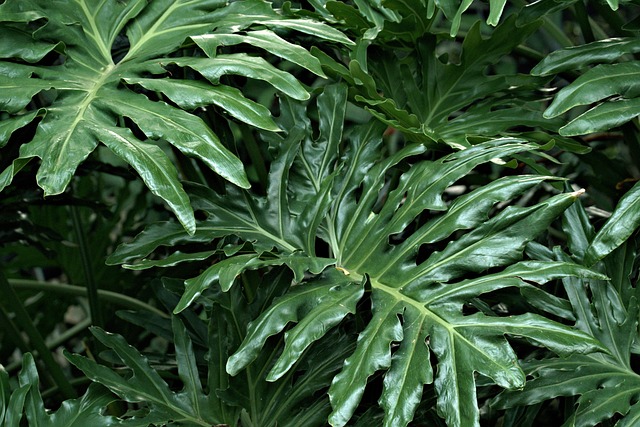
What's Happening
Deep repotting injury in Philodendrons occurs when stems are buried below the soil line during transplanting, a common error with epiphytic aroids that require aerial stem exposure. Buried stems suffocate because Philodendron petioles and lower stem nodes lack the structural adaptations for soil contact—they're designed for climbing supports, not submersion. This causes oxygen deprivation at buried nodes, triggering yellowing of leaves attached to those submerged stems. The damage typically appears 1-3 weeks post-repotting and affects leaves whose petioles were buried, while newer aerial growth remains healthy. Key differentiator: Only leaves with buried stems yellow; above-soil leaves stay green.
How to Fix It
- 1
Inspect depth: Check if leaf petioles or stem nodes are below soil line—yellowing on buried portions confirms deep repotting injury
- 2
Immediate correction: Gently unpot, remove excess soil from around buried stems, and replant at correct depth with crown level with soil surface
- 3
Prune affected leaves: Remove yellowed leaves attached to buried stems—they will not recover
- 4
Stem exposure: Ensure 1-2 inches of lower stem remains above soil; use plant support if needed for stability
- 5
Recovery care: Maintain 70%+ humidity and bright indirect light; expect 3-4 weeks for new healthy growth from exposed nodes
How to Prevent It
Always repot at the exact same depth as the original container. Position the crown (where stems emerge from root ball) level with soil surface. Use chunky aroid mix that supports the root ball without needing deep burial for stability. Avoid pressing soil firmly around stems.
Related Problems
Go Deeper
This is covered in-depth in the philodendron Mastery Pack — structured modules with video walkthroughs, advanced protocols, and rescue timelines.
Get the Mastery Pack — $37 →